



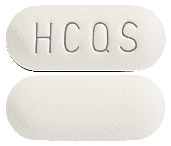
1. Why am I using APO-HYDROXYCHLOROQUINE?
APO-Hydroxychloroquine contains the active ingredient hydroxychloroquine sulfate. APO-Hydroxychloroquine is used to treat rheumatoid arthritis and may slow down the process of joint damage and relieve the symptoms of the disease.
For more information, see Section 1. Why am I using APO-Hydroxychloroquine? in the full CMI.
2. What should I know before I use APO-HYDROXYCHLOROQUINE?
Do not use if you have ever had an allergic reaction to hydroxychloroquine sulfate or any of the ingredients listed at the end of the CMI.
Talk to your doctor if you have any other medical conditions, take any other medicines, or are pregnant or plan to become pregnant or are breastfeeding.
For more information, see Section 2. What should I know before I use APO-Hydroxycholoroquine? in the full CMI.
3. What if I am taking other medicines?
Some medicines may interfere with APO-Hydroxycholoroquine and affect how it works.
A list of these medicines is in Section 3. What if I am taking other medicines? in the full CMI.
4. How do I use APO-HYDROXYCHLOROQUINE?
- Swallow tablets whole with a little water or other liquid at mealtimes.
- The dosage will depend on why you are being treated with APO-Hydroxychloroquine.
More instructions can be found in Section 4. How do I use APO-Hydroxychloroquine? in the full CMI.
5. What should I know while using APO-HYDROXYCHLOROQUINE?
| Things you should do | Remind any doctor, dentist or pharmacist you visit that you are using APO-Hydroxychloroquine. |
| Things you should not do | APO-Hydroxychloroquine should not be used in children under 6 years. APO-Hydroxychloroquine should not be used in children over 6 years for long periods. |
| Driving or using machines | APO-Hydroxychloroquine may cause problems with the eyesight of some people. Make sure you know how you react to APO-Hydroxychloroquine before you drive a car, operate machinery, or do anything else that could be dangerous with blurred vision. |
| Looking after your medicine | Keep your tablets in the bottle until it is time to take them. If you take the tablets out of the bottle they will not keep well. Keep it in a cool dry place where the temperature stays below 25°C. |
For more information, see Section 5. What should I know while using APO-Hydroxychloroquine? in the full CMI.
6. Are there any side effects?
Speak to your doctor if you have any of these less serious side effects and they worry you: nausea, vomiting, diarrhoea, abdominal cramps, loss of appetite, muscle weakness, dizziness, ringing in the ears, headache, nervousness, skin rash and itching, hair loss. Call your doctor straight away or go to the Emergency Department at your nearest hospital if you have any of these serious side effects: visual disturbances, hearing loss, suicidal behavior, frequent fevers, severe chills, bruising, sore throat or mouth ulcers (these may be signs of blood reactions), changes in the way your heart beats. Having thoughts of self-harm or suicide, feeling depressed, feeling nervous or anxious, feeling confused, agitated, difficulty sleeping, delusions, hallucinations, changes in mood, feeling elated or overexcited. Liver problems. Symptoms may include a general feeling of being unwell, with or without jaundice (yellowing of the skin and eyes), dark urine, nausea, vomiting and/or abdominal pain. Rare cases of liver failure (including fatal cases) have been observed. Kidney problems due to accumulation of phospholipids. More severe side effects of low blood sugar levels including disorientation, seizures, fits or convulsions and loss of consciousness. Rash with a fever and flu-like symptoms and enlarged lymph nodes. Blistering, scaly skin, pus-filled spots with fever. Blistering or peeling of the skin with flu-like symptoms and fever. Skin lesions, skin itching, joint aches, fever and a general ill feeling. Reddish-purple coloured painful sores with or without a fever.
For more information, including what to do if you have any side effects, see Section 6. Are there any side effects? in the full CMI.