

Consumer medicine information

APO-Rizatriptan Orally Disintegrating Tablets

Rizatriptan

BRAND INFORMATION

Brand name

APO-Rizatriptan

Active ingredient

Rizatriptan

Schedule

S4


Consumer medicine information (CMI) leaflet

Please read this leaflet carefully before you start using APO-Rizatriptan Orally Disintegrating Tablets.

What is in this leaflet

This leaflet answers some common questions about rizatriptan. It does not contain all the available information. It does not take the place of talking to your doctor or pharmacist.

All medicines have risks and benefits. Your doctor has weighed the risks of you using this medicine against the benefits they expect it will have for you.

If you have any concerns about taking this medicine, ask your doctor or pharmacist.

Keep this leaflet with the medicine. You may want to read it again.

What this medicine is used for

Rizatriptan is used to relieve the headache pain and other symptoms of migraine attacks. Rizatriptan does not work for other types of headaches.

Migraine is an intense, throbbing, typically one-sided headache. It often includes nausea, vomiting, and sensitivity to light or sound. Some people may have visual symptoms before the headache, called an aura. An aura can include flashing lights or wavy lines.

Migraine attacks last anywhere from two hours to two days and they can return frequently. The severity and frequency of migraines may vary.

Migraine occurs in about one out every 10 people. It is three times more common in women than men. Six out of ten migraine sufferers have their first attack before the age of 20.

There is no single cause of migraine. They tend to run in families. Certain things trigger migraine attacks in some people, including:

  • certain foods or drinks e.g. cheese, dairy products, chocolate, citrus fruit, caffeine, alcohol (especially red wine)
  • stress, anger, worry
  • changes in routine e.g. under or over sleeping, missing meals, change in diet
  • bright light or loud noises
  • hormonal changes in women e.g. during menstrual periods

If you understand what triggers your attacks, you may be able to prevent migraine attacks or reduce their frequency. Keeping a headache diary will help you identify and monitor possible migraine triggers. Once the triggers are identified, you and your doctor can modify your treatment and lifestyle appropriately.

How it works

During a migraine attack, blood vessels in the brain dilate, or widen, resulting in a throbbing pain.

Rizatriptan decreases this widening and returns the blood vessels to their normal size, helping to relieve the pain. Rizatriptan also blocks the release of certain chemicals from nerve endings that cause more pain and other symptoms of migraine.

Ask your doctor if you have any questions about why this medicine has been prescribed for you. Your doctor may have prescribed this medicine for another reason.

This medicine is available only with a doctor's prescription.

This medicine is not addictive.

There is not enough information to recommend the use of this medicine for children under the age of 18 years.

Before you take this medicine

When you must not take it

Do not take this medicine if you have an allergy to:

  • rizatriptan
  • any of the ingredients listed at the end of this leaflet.

Some of the symptoms of an allergic reaction may include:

  • shortness of breath
  • wheezing or difficulty breathing
  • swelling of the face, lips, tongue, throat or other parts of the body
  • rash, itching or hives on the skin

Do not take this medicine if you have or have had any of the following medical conditions:

  • uncontrolled high blood pressure
  • heart disease, including angina and previous heart attacks
  • Prinzmetal's angina
  • history of stroke or transient ischemic attack (TIA)
  • peripheral vascular disease, such as ischemic bowel disease

Do not take this medicine if you are also taking monoamine oxidase inhibitors (MAOIs) for depression, or have taken them within the last 2 weeks. MAOIs include moclobemide, phenelzine, tranylcypromine and pargyline.

Do not take this medicine after the expiry date printed on the pack or the packaging is torn or shows signs of tampering. If it has expired or is damaged, return it to your pharmacist for disposal.

If you are not sure whether you should start taking rizatriptan, talk to your doctor.

Before you start to take it

Tell your doctor if you have allergies to any other medicines, foods, preservatives or dyes.

Tell your doctor if you are pregnant or plan to become pregnant.

Like most medicines, rizatriptan is not recommended for use during pregnancy. If there is need to consider rizatriptan during pregnancy, your doctor will discuss with you the risks and benefits involved.

Tell your doctor if you are breastfeeding. It is not known whether rizatriptan pass into breast milk. Your doctor will discuss with you the risks and benefits of taking them while breast-feeding.

Tell your doctor if you have any risks factors for heart or blood vessel disease, including:

  • high blood pressure
  • diabetes
  • smoking
  • a high cholesterol level
  • a family history of heart or blood vessel disease

Tell your doctor if your headache is more severe than your 'usual' migraine, or it behaves differently.

Taking other medicines

Tell your doctor if you are taking any other medicines, including any that you get from your pharmacy, supermarket or health food shop.

Some medicines should not be taken with rizatriptan. These include:

  • MAOIs, used to treat depression, including moclobemide, tranylcypromine, phenelzine, pargyline
  • sumatriptan, another similar medicine used to treat migraine

Some medicines may interact with rizatriptan. These include:

  • propranolol, used to treat high blood pressure
  • ergotamine and dihydroergotamine, other medicines used to treat migraine
  • methysergide, used to prevent migraine
  • St. John's wort (Hypericum perforatum), or products containing St. John's wort

Ask your doctor for instructions about taking rizatriptan if you are also taking selective serotonin reuptake inhibitors (SSRIs) such as sertraline, escitalopram, and fluoxetine, or serotonin norepinephrine reuptake inhibitors (SNRIs) such as venlafaxine and duloxetine.

These medicines may be affected by this medicine or may affect how well it works. You may need different amounts of your medicines, or you may need to take different medicines.

Your doctor and pharmacist have more information on medicines to be careful with or avoid while taking this medicine.

Other medicines not listed above may also interact with rizatriptan.

How to take this medicine

Follow all directions given to you by your doctor carefully. They may be differ to the information contained in this leaflet.

If you do not understand the instructions on the box, ask your doctor for help.

How much to take

Your doctor will tell you how much of this medicine you should take. This will depend on your condition and whether you are taking any other medicines.

The usual dose to treat a migraine is one 10 mg tablet taken as needed.

If the first rizatriptan tablet does help your migraine, but it comes back later, you may take another tablet.

Take the second tablet at least 2 hours after the first tablet. Do not take more than 30 mg (three 10 mg tablets) in a 24-hour period.

If the first tablet does not help your migraine, do not take another tablet for the same attack as it is unlikely to help. It is still likely that you will respond to rizatriptan during your next attack.

How to take it

With dry hands, place one tablet on your tongue.

When to take it

It does not matter if you take it with or without food.

If you take too much (overdose)

Immediately telephone your doctor or the Poisons Information Centre (telephone 13 11 26) for advice, or go to Accident and Emergency at your nearest hospital, if you think that you or anyone else may have taken too much of this medicine. Do this even if there are no signs of discomfort or poisoning. You may need urgent medical attention.

If you take too many tablets, you may feel sleepy, dizzy, faint or have a slow heartbeat.

While you are taking this medicine

Things you must do

If your headache is more severe than your 'usual' migraine or behaves differently, tell your doctor immediately.

If you are about to be started on any new medicine, remind your doctor and pharmacist that you are taking this medicine.

Tell any other doctors, dentists and pharmacists who are treating you that you take this medicine.

If you become pregnant while taking this medicine, tell your doctor immediately.

Keep all of your doctor's appointments so that your progress can be checked.

Your doctor may do some from time to time to make sure the medicine is working and to prevent unwanted side effects.

Things you must not do

Do not give this medicine to anyone else, even if they have the same condition as you.

Do not take your medicine to treat any other complaints unless your doctor tells you to.

Do not change the dosage without first checking with your doctor.

Things to be careful of

Be careful when driving or operating machinery until you know how this medicine affects you. Migraine or treatment with rizatriptan may cause sleepiness or dizziness in some people. Make sure you know how you react to rizatriptan before you drive a car, operate machinery, or do anything else that could be dangerous if you are sleepy or dizzy. If you drink alcohol, sleepiness or dizziness may be worse.

Side effects

Tell your doctor or pharmacist as soon as possible if you do not feel well while you are taking rizatriptan.

Rizatriptan helps most people with migraines, but it may have unwanted side effects in a few people. All medicines can have side effects. Sometimes they are serious, most of the time they are not. You may need medical treatment if you get some of the side effects.

Do not be alarmed by the following lists of side effects. You may not experience any of them.

Ask your doctor or pharmacist to answer any questions you may have.

Tell your doctor or pharmacist if you notice any of the following:

  • difficulty thinking or working, decreased mental sharpness
  • sleepiness, tiredness, inability to sleep
  • dizziness, tremor, unsteadiness when walking
  • nervousness, agitation
  • headache not relieved by rizatriptan
  • stomach or bowel problems, such as feeling sick (nausea),vomiting, stomach upset or pain, diarrhoea
  • changes in your sight or taste, such as blurred vision, dry mouth, thirst, bad taste, throat discomfort, tongue swelling
  • skin problems, such as skin rash, itching, redness or flushing of the face, hot flushes, sweating
  • changes in the way your body feels, such as feelings of heaviness or tightness on parts of the body
  • muscle weakness or pain
  • neck pain or facial pain

The above list includes the more common side effects of your medicine. They are usually mild.

Abnormalities of the electrocardiogram (a test that records the electrical activity of your heart) have also been reported.

If you take rizatriptan too often, you may get chronic headaches. Contact your doctor as you may have to stop taking rizatriptan.

Tell your doctor as soon as possible if you notice any of the following:

  • tingling or numbness of the hands or feet
  • fast, slow or irregular heartbeats, palpitations
  • spinning sensation, also called vertigo
  • seeing/ feeling/ hearing things that are not there

The above list includes serious side effects that may require medical attention.

If any of the following happen, stop taking your medicine and contact your doctor immediately or go to Accident and Emergency at your nearest hospital:

  • fainting, coma
  • pinkish, itchy swellings on the skin, also called hives
  • very high temperature, unusually increased reflexes or lack of coordination
  • pain or tightness in chest (symptoms of heart attack or angina)
  • collapse, numbness or weakness of the arms or legs, headache, dizziness and confusion, visual disturbance, difficulty swallowing, slurred speech and loss of speech (symptoms of stroke)
  • severe skin reaction which starts with painful red areas, then large blisters and ends with peeling of layers of skin. This is accompanied by fever and chills, aching muscles and generally feeling unwell.
  • seizures, fits or convulsions
  • persistent purple discolouration, and/or pain in the fingers, toes, ears, nose or jaw
  • pain or spasms in the lower stomach, bloody diarrhoea and fever
  • swelling of the face, lips, mouth, tongue or throat which may cause difficulty in swallowing or breathing; shortness of breath, wheezing or difficulty breathing; rash, itching or hives on the skin (symptoms of an allergic reaction)

The above list includes serious side effects and you may need urgent medical attention or hospitalisation. Serious side effects are rare.

As with other medicines in the same class as rizatriptan, heart attack, angina and stroke have been reported very rarely, and generally occurred people with risk factors for heart or blood vessel disease (including high blood pressure, diabetes, smoking, family history of heart or blood vessel disease e.g. stroke).

Tell your doctor or pharmacist if you notice anything that is making you feel unwell.

Other side effects not listed above may also occur in some patients.

Storage and disposal

Storage

Keep your medicine in the pack until it is time to take it. If you take your medicine out of the pack it may not keep well.

Keep your medicine in a cool dry place where the temperature stays below 30°C.

Do not store your medicine or any other medicine in the bathroom or near a sink. Do not leave it on a window sill or in the car. Heat and dampness can destroy some medicines.

Keep this medicine where children cannot reach it. A locked cupboard at least one-and-a-half metres above the ground is a good place to store medicines.

Disposal

If your doctor tells you to stop taking this medicine or the expiry date has passed, ask your pharmacist what to do with any medicine that is left over.

Product description

What it looks like

Rizatriptan orally disintegrating tablets are available in two strengths:

5mg: White to off-white coloured, round-shaped tablets with "APO" engraved on one side and "RZ" over "5" on the other side.

Blister Pack of 2 tablets.

AUST R 222327

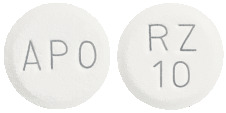
10mg: White to off-white coloured, round-shaped tablets with "APO" engraved on one side and "RZ" over "10" on the other side.

Blister Pack of 2 tablets.

AUST R 222334

* Not all strengths, pack types and/or pack sizes may be available.

Ingredients

Each tablet contains rizatriptan benzoate (equivalent to 5 mg or 10 mg of rizatriptan, respectively).

It also contains the following:

  • microcrystalline cellulose
  • Mannitol
  • Crospovidone
  • Sucralose
  • Magnesium stearate
  • Peppermint flavour.

This medicine does not contain gluten, lactose, sucrose, tartrazine and other azo dyes.

Sponsor

Apotex Pty Ltd
16 Giffnock Avenue
Macquarie Park NSW 2113

APO and APOTEX are registered trademarks of Apotex Inc.

This leaflet was prepared in September 2018.

Published by MIMS November 2018

BRAND INFORMATION

Brand name

APO-Rizatriptan

Active ingredient

Rizatriptan

Schedule

S4


1 Name of Medicine

Rizatriptan benzoate.

6.7 Physicochemical Properties

Chemical name: N,N-dimethyl-5-(1H-1,2,4-triazol-1-ylmethyl)-1H-indole-3-ethanamine monobenzoate.
Molecular formula: C15H19N5.C7H6O2.
Molecular weight: 391.47 (free base: 269.4).
Rizatriptan benzoate is a white to off-white, crystalline solid; it is soluble in water at about 42 mg/mL (expressed as free base) at 25°C.

Chemical structure.


CAS number.

145202-66-0.

2 Qualitative and Quantitative Composition

Each orally disintegrating tablet contains either 5 mg or 10 mg rizatriptan (corresponding to 7.265 mg or 14.53 mg rizatriptan benzoate, respectively) as the active ingredient.

Excipients with known effect.

Sucralose.
For the full list of excipients, see Section 6.1 List of Excipients.

3 Pharmaceutical Form

5 mg orally disintegrating tablet.

White to off-white coloured, round-shaped tablets with "APO" engraved on one side and "RZ" over "5" on the other side.

10 mg orally disintegrating tablet.

White to off-white coloured, round-shaped tablets with "APO" engraved on one side and "RZ" over "10" on the other side.

5 Pharmacological Properties

5.1 Pharmacodynamic Properties

Mechanism of action.

Rizatriptan is a potent, orally active serotonergic agonist that has been shown in radioligand binding assays and functional pharmacological bioassays to act selectively at 5-HT1B/1D receptors. Rizatriptan has no clinically significant activity at 5-HT2 or 5-HT3 receptor subtypes, nor at alpha and beta-adrenergic, dopaminergic, histaminergic, muscarinic or benzodiazepine receptors.
Rizatriptan acts at craniovascular 5-HT1B receptors to cause selective constriction of the extracerebral, intracranial arteries that are thought to be dilated during a migraine attack. Vasodilatation of these arteries and stimulation of trigeminal sensory nervous pain pathways have been postulated to be the most important underlying mechanisms in migraine pathogenesis. In anaesthetised dogs, rizatriptan reduces carotid artery blood flow selectively and has much lesser effects on blood flow in the coronary and pulmonary artery vasculature.
Rizatriptan also inhibits cranial sensory pathways, possibly by acting at peripheral and central inhibitory 5-HT1D receptors that are present in animals and humans on trigeminal nerves. When stimulated, these trigeminal nerves release peptides (e.g. substance P, calcitonin gene related peptide and neurokinin A) that can produce vasodilation and inflammation around blood vessels in sensitive tissues, and which relay nociceptive information into the central nervous system. In animals, activation of trigeminal 5-HT1D receptors prevents the release of these peptides, leading to decreased dilation of sensitive blood vessels, decreased inflammation in the dura mater and reduced central pain transmission. These actions may also contribute to the clinical efficacy of rizatriptan in the relief of migraine.
Rizatriptan has only weak partial agonist constrictor effects on human isolated coronary artery segments in vitro. This finding is consistent with its lack of activity at 5-HT2A receptors, which are known to mediate contraction in these blood vessels.
In healthy young male and female subjects who received maximal doses of rizatriptan (10 mg every 2 hours for three doses), slight increases in blood pressure (approximately 2-3 mmHg) were observed. These small, transient increases in blood pressure were not clinically significant. During long-term monitoring of migraine patients in controlled studies, no consistent effects on blood pressure or heart rate were observed.
At an oral dose of 40 mg, rizatriptan did not alter regional cerebral blood flow or middle cerebral artery blood velocity in healthy male subjects.
In a study in healthy male subjects, rizatriptan 10 mg produced slight, transient peripheral vasoconstriction (measured as a 5.1 mmHg increase in toe-arm systolic blood pressure gradient). In contrast, intravenous ergotamine (0.25 mg) produced a 14.6 mmHg increase in toe-arm systolic blood pressure gradient. When ergotamine and rizatriptan were given together, the increase in toe-arm systolic blood pressure gradient was similar to that when ergotamine was given alone.
Electrocardiographic effects of two 10 mg doses of rizatriptan, separated by 2 hours, were studied in 157 migraine patients (age range 18 to 72 years) during a migraine attack. No evidence of myocardial ischaemia was observed, as defined by standard ECG criteria. No clinically relevant ECG effects were observed.
In a study in healthy male subjects, the effects of rizatriptan, 10 and 15 mg, in a battery of tests of sympathetic reflexes were investigated in comparison to placebo and the sympatholytic drug, clonidine. No effects of rizatriptan on sympathetic reflexes were demonstrated.

Clinical trials.

Rizatriptan wafers.

The efficacy of rizatriptan wafer 5 mg and 10 mg was demonstrated in a randomised, placebo controlled trial that was similar in design to the trials of rizatriptan tablets. Patients were instructed to treat a moderate to severe headache. Of the 312 patients treated in the study, 88% were female and 91% were Caucasian, with a mean age of 40 years (range 18-65).
By 2 hours postdosing, response rates in patients treated with rizatriptan wafer were approximately 66% in either the rizatriptan 5 mg and 10 mg wafer groups, compared to 47% in the placebo group. This difference was statistically significant.
The estimated probability of achieving an initial headache response by 2 hours following treatment with rizatriptan wafer is depicted in Figure 1.
For patients with migraine associated photophobia and phonophobia at baseline, there was a decreased incidence of these symptoms following administration of rizatriptan wafer as compared to placebo.
Two to 24 hours following the initial dose of study treatment, patients were allowed to use additional treatment for pain response in the form of a second dose of study treatment or other medication. The estimated probability of patients taking a second dose or other medication for migraine over the 24 hours following the initial dose of study treatment is summarised in Figure 2.

5.2 Pharmacokinetic Properties

Absorption.

Rizatriptan is rapidly and completely absorbed following oral administration. The mean oral bioavailability of the tablet is approximately 40-45%, and mean peak plasma concentrations (Cmax) are reached in approximately 1-1.5 hours (Tmax).
Administration of a 40 mg dose with a high fat breakfast increased the extent of absorption of rizatriptan (approx. 19%), but delayed the absorption by approx. 1 hour. In clinical trials rizatriptan was administered without regard to food with no apparent effect on efficacy.
The bioavailability and Cmax of rizatriptan wafers are similar to that following tablet administration. The apparent rate of absorption is somewhat slower, with Tmax averaging 1.6-2.5 hours.

Distribution.

Rizatriptan is minimally bound (14%) to plasma proteins. The volume of distribution is approximately 140 litres in male subjects, and 110 litres in female subjects.
Studies in rats indicate that rizatriptan crosses the blood brain barrier to a limited extent.

Metabolism.

The primary route of rizatriptan metabolism is via oxidative deamination by MAO-A to the indole acetic acid metabolite, which is not pharmacologically active. N-monodesmethyl-rizatriptan, a metabolite with activity similar to that of parent compound at the 5-HT1D receptor, is formed to a minor degree, but does not contribute significantly to the pharmacodynamic activity of rizatriptan. Plasma concentrations of N-monodesmethyl-rizatriptan are approximately 14% of those of parent compound, and it is eliminated at a similar rate. Other minor metabolites include the N-oxide, the 6-hydroxy compound, and the sulfate conjugate of the 6-hydroxy metabolite. None of these minor metabolites is pharmacologically active. Following oral administration of 14C-labelled rizatriptan, rizatriptan accounts for about 17% of circulating plasma radioactivity.

Excretion.

The plasma half-life of rizatriptan in males and females averages 2-3 hours. The pharmacokinetics of rizatriptan are linear in males and nearly linear in females following intravenous doses ≤ 60 microgram/kg. The plasma clearance of rizatriptan averages about 1000-1500 mL/min in males and about 900-1100 mL/min in females; about 20-30% of this is renal clearance. Following an oral dose of 14C-labelled rizatriptan, about 80% of the radioactivity is excreted in urine, and about 10% of the dose is excreted in faeces. This shows that the metabolites are excreted primarily via the kidneys.
After oral doses of 2.5 to 10 mg, the pharmacokinetics of rizatriptan are nearly linear.
Consistent with its first-pass metabolism, approximately 14% of an oral dose is excreted in urine as unchanged rizatriptan while 51% is excreted as indole acetic acid metabolite.
When rizatriptan 10 mg was administered every 2 hours for three doses on four consecutive days, the plasma concentrations of rizatriptan increased within each day, consistent with its t1/2, but no plasma accumulation of the drug occurred from day to day.

Characteristics in patients.

Gender.

The AUC of rizatriptan (10 mg orally) was about 25% lower in males as compared to females; Cmax was 11% lower, and Tmax occurred at approximately the same time. This apparent pharmacokinetic difference was of no clinical significance.

Elderly.

The plasma concentrations of rizatriptan observed in elderly subjects (age range 65 to 77 years) were similar to those observed in the young.

Hepatic impairment.

Following oral administration in patients with hepatic impairment caused by mild to moderate alcoholic cirrhosis of the liver, plasma concentrations of rizatriptan were similar to those seen in young male and female subjects.

Renal impairment.

In patients with renal impairment (creatinine clearance 10-60 mL/min/1.73 m2), the AUC of rizatriptan was not significantly different from that in healthy subjects. In haemodialysis patients, the AUC for rizatriptan was approximately 44% greater than that in patients with normal renal function. The maximal plasma concentration of rizatriptan in patients with all degrees of renal impairment was similar to that in healthy subjects.

5.3 Preclinical Safety Data

Genotoxicity.

Rizatriptan, with and without metabolic activation, was neither genotoxic, mutagenic, nor clastogenic in all in vitro and in vivo genetic toxicity studies, including: microbial mutagenesis, in vitro chromosome aberration assays, in vitro V-79 mammalian cell mutagenesis assays, an in vitro alkaline elution/ rat hepatocyte assay, and an in vivo chromosome aberration assay in mouse bone marrow.

Carcinogenicity.

The carcinogenic potential of rizatriptan was evaluated in a 106 week study in rats and a 100 week study in mice at oral doses of up to 125 mg/kg/day. Exposure data were not obtained in those studies, but plasma AUCs of the parent drug were measured in other studies and indicate that exposures to the parent drug at the highest dose level would have been approximately 150 times (mice) and 240 times (rats) average AUC's measured in humans after three 10 mg doses, the maximum recommended daily dose. There was no evidence of an increase in tumour incidence related to rizatriptan in either species.

4 Clinical Particulars

4.1 Therapeutic Indications

Rizatriptan is indicated for the acute treatment of migraine attacks with or without aura.

4.3 Contraindications

This medicine is contraindicated in patients with:
hypersensitivity to rizatriptan or any of the ingredients in the tablet;
concurrent administration of monoamine oxidase (MAO) inhibitors, or use within 2 weeks of discontinuation of MAO inhibitor therapy (see Section 4.5 Interactions with Other Medicines and Other Forms of Interactions).
Based on the mechanism of action of this class of compounds, rizatriptan is also contraindicated in patients with:
uncontrolled hypertension;
established coronary artery disease, including ischemic heart disease (angina pectoris, history of myocardial infarction, or documented silent ischemia), signs and symptoms of ischemic heart disease, or Prinzmetal's angina;
history of stroke or transient ischemic attack (TIA);
peripheral vascular disease, including (but not limited to) ischemic bowel disease.

4.4 Special Warnings and Precautions for Use

Rizatriptan should only be administered to patients in whom a clear diagnosis of migraine has been established. Rizatriptan should not be administered to patients with basilar or hemiplegic migraine.
Rizatriptan should not be used to treat "atypical" headaches, i.e. those that might be associated with potentially serious medical conditions (e.g. stroke, ruptured aneurysm) in which cerebrovascular vasoconstriction could be harmful.
There have been rare reports of serious coronary events with this class of drugs including rizatriptan (see Section 4.8 Adverse Effects (Undesirable Effects)). Prior to prescribing this drug, cardiovascular assessment should be considered in patients at risk for coronary artery disease (CAD) [e.g. patients with hypertension, diabetics, smokers, and those with strong family history for CAD]. Those in whom CAD is established should not be given rizatriptan (see Section 4.3 Contraindications).
Other 5-HT1B/1D agonists (e.g. sumatriptan) should not be used concomitantly with rizatriptan.
Administration of ergotamine type medications (e.g. ergotamine, dihydro-ergotamine or methysergide) and rizatriptan within 6 hours of each other is not recommended. Although additive vasospastic effects were not observed in a clinical pharmacology study in which 16 healthy males received oral rizatriptan and parenteral ergotamine, such additive effects are theoretically possible.
Cases of life threatening serotonin syndrome have been reported during combined use of selective serotonin reuptake inhibitors (SSRIs)/ serotonin norepinephrine reuptake inhibitors (SNRIs) and triptans. If concomitant treatment with rizatriptan and an SSRI (e.g. sertraline, escitalopram oxalate, and fluoxetine) or SNRI (e.g. venlafaxine, duloxetine) is clinically warranted, careful observation of the patient is advised, particularly during treatment initiation and dose increases. Serotonin syndrome symptoms may include mental status changes (e.g. agitation, hallucinations, coma), autonomic instability (e.g. tachycardia, labile blood pressure, hyperthermia), neuromuscular aberrations (e.g. hyperreflexia, incoordination) and/or gastrointestinal symptoms (e.g. nausea, vomiting, diarrhoea) (see Section 4.5 Interactions with Other Medicines and Other Forms of Interactions).
Overuse of acute migraine drugs may lead to exacerbation of headache (medication overuse headache). Medication overuse headache may present as migraine-like daily headaches or as a marked increase in frequency of migraine attacks. Detoxification of patients, including withdrawal of the overused drugs, and treatment of withdrawal symptoms (which often includes a transient worsening of headache) may be necessary.

Use by gender or in individuals of various ethnic origins.

There is no evidence that gender or ethnic origin has any influence on the efficacy or adverse effects of rizatriptan. In controlled trials, there were no apparent differences in overall adverse experience rates or efficacy of treatment between males and females, or between various ethnic groups.

Use in the elderly.

The pharmacokinetics of rizatriptan were similar in elderly (aged ≥ 65 years) and in younger adults. Because migraine occurs infrequently in the elderly, clinical experience with rizatriptan is limited in such patients. In clinical trials, there were no apparent differences in efficacy or in overall adverse experience rates between patients under 65 years of age and those 65 and above (n = 17).

Paediatric use.

Children (under 12 years of age).

There are no data available on the use of rizatriptan in children under 12 years of age. Therefore, its use in this age group is not recommended.

Adolescents (12-17 years of age).

In placebo controlled study, the efficacy of rizatriptan tablets (5 mg) was not established. Adverse events observed in this clinical trial were similar in nature to those reported in clinical trials in adults. The use of rizatriptan in patients under 18 years of age is not recommended.

Effects on laboratory tests.

In long-term controlled clinical trials, there were no clinically relevant, drug related changes in laboratory parameters.

4.5 Interactions with Other Medicines and Other Forms of Interactions

Pharmacokinetic interactions.

Pharmacokinetic interaction studies were carried out with the MAO-A inhibitor, moclobemide; the SSRI, paroxetine; propranolol and two other beta-blockers, nadolol and metoprolol; and oral contraceptives. Significant interactions were seen with the MAO-A inhibitor and propranolol.

Cytochrome P450 isoforms.

Rizatriptan is not an inhibitor of the activities of human liver cytochrome P450 isoforms 3A4/5, 2C9, 2C19, or 2E1; however, rizatriptan is a competitive inhibitor (Ki = 1400 nanoM) of cytochrome P450 2D6, (Cmax after a 10 mg dose was 74 nanoM). The activity of CYP1A2 was slightly inhibited by very high (10 microM) concentrations of rizatriptan.

Monoamine oxidase inhibitors.

Rizatriptan is principally metabolised via monoamine oxidase, ‘A’ subtype (MAO-A). Plasma concentrations of rizatriptan and its active N-monodesmethyl metabolite were increased by concomitant administration of a selective, reversible MAO-A inhibitor. Similar or greater effects are expected with nonselective, irreversible MAO inhibitors. Administration of rizatriptan to patients taking inhibitors of MAO is contraindicated (see Section 4.3 Contraindications).

Beta-blockers.

Plasma concentrations of rizatriptan may be increased by concomitant administration of propranolol. This increase is most probably due to first-pass metabolic interaction between the two drugs, since MAO-A plays a role in the metabolism of both rizatriptan and propranolol. In patients receiving propranolol, alternative therapy should be considered (see Section 4.2 Dose and Method of Administration). No pharmacokinetic interaction was observed between rizatriptan and the beta-blockers nadolol or metoprolol. Based on in vitro data, no pharmacokinetic interaction is expected with timolol or atenolol.

Selective serotonin reuptake inhibitors/ serotonin norepinephrine reuptake inhibitors and serotonin syndrome.

Cases of life threatening serotonin syndrome have been reported during combined use of SSRIs or SNRIs and triptans (see Section 4.4 Special Warnings and Precautions for Use).

Paroxetine.

In a study of concurrent administration of the SSRI paroxetine 20 mg/day for two weeks, with a single dose of rizatriptan 10 mg, neither the plasma concentrations of rizatriptan nor its safety profile were affected by paroxetine.

Oral contraceptives.

In a study of concurrent administration of an oral contraceptive during 6 days of administration of rizatriptan (10-30 mg/day), rizatriptan did not affect plasma concentrations of ethinylestradiol or norethisterone. In clinical trials, the efficacy and incidences of adverse experiences were comparable in patients taking and those not taking oral contraceptives.

Experience in migraine patients.

In clinical trials, concomitant administration of medications commonly used for migraine prophylaxis did not alter the efficacy or incidences of adverse effects of rizatriptan. The overall adverse experience rates were comparable for patients on rizatriptan 5 or 10 mg who were receiving the following concomitant drugs: calcium channel blockers (n = 72); tricyclic antidepressants (n = 112); SSRIs (n = 90); propranolol (n = 108); other beta-blockers (n = 175); valproic acid (n = 20); opiate analgesics (n = 572); oral contraceptives/ oestrogen replacement (n = 304) as compared to those who did not receive such medications.

St. John's wort (Hypericum perforatum).

St. John's wort may have pharmacodynamic interactions with medicines which affect serotonin, including 5-HT1B/1D agonists such as rizatriptan, used to treat migraines. These interactions may result in a variety of symptoms such as mental state change, autonomic dysfunction, and motor effects consistent with increased CNS serotonin. Therefore, rizatriptan should be used with caution when taking St. John's wort.

4.6 Fertility, Pregnancy and Lactation

Effects on fertility.

In a fertility study in rats, altered oestrus cyclicity and delays in time to mating were observed in females treated orally with 100 mg/kg/day rizatriptan. Plasma drug exposure (AUC) at this dose was approximately 215 times the exposure in humans receiving the maximum recommended daily dose (MRDD) of 30 mg. The no-effect dose was 10 mg/kg/day (approximately 15 times the human exposure at the MRDD). There were no other fertility related effects in the female rats. There was no impairment of fertility or reproductive performance in male rats treated with up to 250 mg/kg/day (approximately 530 times the human exposure at the MRDD).
(Category B1)
There are no adequate and well controlled studies in pregnant women.
Rat pup birth weight was reduced when maternal animals were treated orally throughout gestation with rizatriptan at approximately 10 times the MRDD based on AUC.
In developmental studies, no teratogenic effects were observed when pregnant rats and rabbits were administered doses achieving maternal exposure approximately 215 and 115 times human exposure at the maximum recommended daily dose (MRDD), respectively, during organogenesis. Foetal weights were decreased in conjunction with decreased maternal weight gain at the highest doses. The developmental no-effect dose in these studies was at maternal exposures approximately 15 times human exposure at the MRDD in both rats and rabbits. Kinetic studies demonstrated placental transfer in both species.
Rizatriptan should be used during pregnancy only if clearly needed.
Two hours after oral administration of rizatriptan to lactating rats, the rizatriptan concentration in milk was 6 times higher than in maternal plasma. When rizatriptan was administered to lactating rats at 10 mg/kg PO (approx. 10 times anticipated maximum clinical exposure based on AUC), there was a significant reduction in pup body weight gain during lactation. It is not known whether rizatriptan is excreted in human milk. However, caution should be exercised when rizatriptan is administered to women who are breastfeeding.

4.8 Adverse Effects (Undesirable Effects)

Adverse experiences were assessed in controlled clinical trials in which over 3,600 patients received single or multiple doses of rizatriptan. More than 1,500 patients were treated in long-term extension studies for up to one year.
In clinical trials, rizatriptan was generally well tolerated. Adverse experiences were typically mild in intensity and transient. The most common drug related adverse experiences were dizziness, somnolence, and asthenia/ fatigue. Table 1 lists drug related adverse experiences in acute phase III trials in outpatients with migraine.
Additional drug related adverse experiences in patients taking 1 or more doses of rizatriptan 5 mg or 10 mg during acute (incidence ≥ 1% and greater than placebo) or long-term (incidence ≥ 1%) clinical trials were, by body system, as follows.

Body as a whole.

Abdominal pain.

Cardiovascular.

Palpitation, tachycardia.

Digestive.

Diarrhoea, dyspepsia, thirst.

Musculoskeletal.

Neck pain, stiffness, regional tightness, muscle weakness.

Nervous system.

Decreased mental acuity, insomnia, hypoaesthesia, tremor, ataxia, nervousness, vertigo, disorientation.

Respiratory.

Dyspnoea.

Skin.

Pruritus, sweating.

Special senses.

Blurred vision.

Urogenital.

Hot flashes.
Syncope and hypertension each occurred in ≤ 0.1% of patients.
The incidences of adverse experiences were not affected by age, gender, or race (Caucasian vs. non-Caucasian).
The frequencies of adverse experiences in clinical trials did not increase over time or with concomitant use of drugs commonly taken for migraine prophylaxis (including propranolol), oral contraceptives, or analgesics.

Postmarketing experience.

The following additional adverse reactions have been reported very rarely and most have been reported in patients with risk factors predictive of CAD: myocardial ischaemia or infarction, cerebrovascular accident.
The following adverse reactions have also been reported.

Hypersensitivity.

Hypersensitivity reaction, anaphylaxis/ anaphylactoid reaction, angioedema (e.g. facial oedema, tongue swelling, pharyngeal oedema), wheezing, urticaria, rash, toxic epidermal necrolysis.

Musculoskeletal.

Facial pain, myalgia.

Special senses.

Dysgeusia.

Nervous system.

Serotonin syndrome, seizure.

Vascular disorders.

Peripheral vascular ischaemia.

Cardiac disorders.

Arrhythmia, bradycardia.

Gastrointestinal disorders.

Ischaemic colitis.

Investigations.

ECG abnormalities.

Reporting suspected adverse effects.

Reporting suspected adverse reactions after registration of the medicinal product is important. It allows continued monitoring of the benefit-risk balance of the medicinal product. Healthcare professionals are asked to report any suspected adverse reactions at www.tga.gov.au/reporting-problems and contact Apotex Medical Information Enquiries/ Adverse Drug Reaction Reporting on 1800 195 055.

4.2 Dose and Method of Administration

APO-Rizatriptan orally disintegrating tablets are intended for oral administration.
Administration with liquid is not necessary.
Patients should be instructed not to remove the tablet from the blister until just prior to dosing. The tablet should be removed with dry hands and the tablet placed on the tongue, where it will dissolve and be swallowed with the saliva.

Dosage.

The recommended dose is 10 mg. Clinical experience has shown that this dose provides the optimal clinical benefit.
Onset of relief (i.e. reduction of headache pain to mild or none) can occur within 30 minutes after dosing.

Redosing.

Doses should be separated by at least 2 hours; no more than 30 mg should be taken in any 24 hour period.

For headache recurrence within 24 hours.

If headache returns after relief of the initial attack, further doses may be taken. The above dosing limits should be observed.

After nonresponse.

The effectiveness of a second dose for treatment of the same attack, when an initial dose is ineffective, has not been examined in controlled trials.
Clinical studies have shown that patients who do not respond to treatment of an attack are still likely to respond to treatment for subsequent attacks.

Patients receiving propranolol.

Plasma concentrations of rizatriptan may be increased by concomitant administration of propranolol (see Section 4.5 Interactions with Other Medicines and Other Forms of Interactions). The 10 mg dose is not appropriate for these patients. The physician should consider alternative therapies for these patients, for example, other 5-HT1B/1D agonists that do not have this drug interaction.

4.7 Effects on Ability to Drive and Use Machines

Migraine or treatment with rizatriptan may cause somnolence in some patients. Dizziness has also been reported in some patients receiving rizatriptan. Patients should, therefore, evaluate their ability to perform complex tasks during migraine attacks and after administration of rizatriptan.

4.9 Overdose

No overdoses of rizatriptan were reported during clinical trials.
Rizatriptan 40 mg (administered as either a single dose or as two doses with a 2 hour interdose interval) was generally well tolerated in over 300 patients; dizziness and somnolence were the most common drug related adverse effects.
In a clinical pharmacology study in which 12 subjects received rizatriptan, at total cumulative doses of 80 mg (given within four hours), two subjects experienced syncope and/or bradycardia. One subject, a female aged 29 years, developed vomiting, bradycardia, and dizziness beginning three hours after receiving a total of 80 mg rizatriptan (administered over two hours). A third degree AV block, responsive to atropine, was observed an hour after the onset of the other symptoms. The second subject, a 25 year old male, experienced transient dizziness, syncope, incontinence, and a 5 second systolic pause (on ECG monitor) immediately after a painful venipuncture. The venipuncture occurred two hours after the subject had received a total of 80 mg rizatriptan (administered over four hours).
In addition, based on the pharmacology of rizatriptan, hypertension or other more serious cardiovascular symptoms could occur after overdosage. Gastrointestinal decontamination (e.g. gastric lavage followed by activated charcoal) should be considered in patients suspected of an overdose with rizatriptan. Clinical and electrocardiographic monitoring should be continued for at least 12 hours, even if clinical symptoms are not observed.
The effects of haemodialysis or peritoneal dialysis on serum concentrations of rizatriptan are unknown.
For information on the management of overdose, contact the Poisons Information Centre on 13 11 26 (Australia).

7 Medicine Schedule (Poisons Standard)

S4.

6 Pharmaceutical Particulars

6.1 List of Excipients

Microcrystalline cellulose, mannitol, crospovidone, sucralose, magnesium stearate and peppermint flavour (PI No. 109068).

6.2 Incompatibilities

Incompatibilities were either not assessed or not identified as part of the registration of this medicine.

6.3 Shelf Life

In Australia, information on the shelf life can be found on the public summary of the Australian Register of Therapeutic Goods (ARTG). The expiry date can be found on the packaging.

6.4 Special Precautions for Storage

Store below 30°C.

6.5 Nature and Contents of Container

5 mg orally disintegrating tablet.

Blister pack (aluminium/aluminium) of 2 tablets (AUST R 222327).

10 mg orally disintegrating tablet.

Blister pack (aluminium/aluminium) of 2 tablets (AUST R 222334).
APO and APOTEX are registered trade marks of Apotex Inc.
Not all strengths may be available.

6.6 Special Precautions for Disposal

In Australia, any unused medicine or waste material should be disposed of by taking to your local pharmacy.

Summary Table of Changes