

Consumer medicine information

APOHealth Cold Relief Tablets

Paracetamol + Chlorphenamine maleate (chlorpheniramine maleate)

BRAND INFORMATION

Brand name

APOHealth Cold Relief Tablets

Active ingredient

Paracetamol + Chlorphenamine maleate (chlorpheniramine maleate)

Schedule

S3


Consumer medicine information (CMI) leaflet

Please read this leaflet carefully before you start using APOHealth Cold Relief Tablets.

1. Why am I using APOHEALTH COLD RELIEF?


APOHEALTH COLD RELIEF contains the active ingredients paracetamol and chlorphenamine maleate. APOHEALTH COLD RELIEF is used to provide temporary relief from cold and flu symptoms.
For more information, see Section 1. Why am I using APOHEALTH COLD RELIEF? in the full CMI.

2. What should I know before I use APOHEALTH COLD RELIEF?


Do not use if you have ever had an allergic reaction to paracetamol, chlorphenamine, or any of the ingredients listed at the end of the CMI.
Talk to your doctor or pharmacist if you have any other medical conditions, take any other medicines, or are pregnant or plan to become pregnant or are breastfeeding.
For more information, see Section 2. What should I know before I use APOHEALTH COLD RELIEF? in the full CMI.

3. What if I am taking other medicines?


Some medicines may interfere with APOHEALTH COLD RELIEF and affect how it works.
A list of these medicines is in Section 3. What if I am taking other medicines? in the full CMI.

4. How do I use APOHEALTH COLD RELIEF?

  • Adults and children over 12 years: take two tablets every 4 – 6 hours as necessary.
  • Do not exceed 8 tablets in 24 hours

More instructions can be found in Section 4. How do I use APOHEALTH COLD RELIEF? in the full CMI.

5. What should I know while using APOHEALTH COLD RELIEF?

Things you should do
  • Remind any doctor, dentist or pharmacist you visit that you are using APOHEALTH COLD RELIEF.
Things you should not do
  • Do not give to children under 12 years of age
Driving or using machines
  • Be careful driving or operating machinery until you know how APOHEALTH COLD RELIEF affects you
Drinking alcohol
  • Be careful drinking alcohol while taking this medicine
Looking after your medicine
  • Keep in a cool, dry place where the temperature stays below 30°C

For more information, see Section 5. What should I know while using APOHEALTH COLD RELIEF? in the full CMI.

6. Are there any side effects?


If you are 60 years and over, you may have increased risk of getting side effects. For more information, including what to do if you have any side effects, see Section 6. Are there any side effects? in the full CMI.

BRAND INFORMATION

Brand name

APOHealth Cold Relief Tablets

Active ingredient

Paracetamol + Chlorphenamine maleate (chlorpheniramine maleate)

Schedule

S3


1 Name of Medicine

Paracetamol, chlorphenamine maleate.

2 Qualitative and Quantitative Composition

Paracetamol is a white odourless crystalline powder.
Chlorphenamine maleate is a white odourless crystalline powder.
Each tablet contains paracetamol 500 mg and chlorphenamine maleate 2 mg. In addition, each tablet also contains microcrystalline cellulose, maize starch, sodium starch glycollate, povidone, colloidal anhydrous silica, magnesium stearate, Opadry 04F58804 white.

3 Pharmaceutical Form

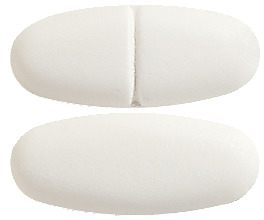
Paracetamol 500 mg and chlorphenamine maleate 2 mg. Tablets (oval, film coated, scored on one side).

4 Clinical Particulars

4.9 Overdose

Symptoms. Paracetamol. Toxic symptoms of paracetamol include vomiting, abdominal pain, liver damage, hypotension, sweating, central stimulation with exhilaration and convulsions in children, drowsiness, gastrointestinal haemorrhage, cerebral oedema and renal tubular necrosis, respiratory depression, cyanosis and coma.
The most serious adverse effect of acute overdosage of paracetamol is a dose dependent, potentially fatal hepatic necrosis. In adults, hepatotoxicity may occur after ingestion of a single dose of paracetamol 10 to 15 g (30 tablets); a dose of 25 g (50 tablets) or more is potentially fatal. Symptoms during the first two days of acute poisoning by paracetamol do not reflect the potential seriousness of the intoxication. Major manifestations of liver failure such as jaundice, hypoglycaemia and metabolic acidosis may take at least three days to develop.
Chlorphenamine. Overdose with chlorphenamine is associated with antimuscarinic, extrapyramidal, gastrointestinal and CNS side effects. In infants and children CNS stimulation predominates over CNS depression, causing ataxia, excitement, tremors, psychoses, hallucinations and convulsions; hyperpyrexia may also occur. Deepening coma and cardiorespiratory collapse may follow. In adults, CNS depression is more common with drowsiness, coma and convulsions, progressing to respiratory failure or possibly cardiovascular collapse.
Treatment. Consists primarily of management of paracetamol toxicity. In cases of overdosage, methods of reducing the absorption of ingested drug are important. For the latest treatment, contact the Poisons Information Centre; phone 13 11 26.
For information on the management of overdose, contact the Poisons Information Centre on 131126 (Australia).

5 Pharmacological Properties

5.3 Preclinical Safety Data

Genotoxicity. No data available.
Carcinogenicity. No data available.

6 Pharmaceutical Particulars

6.7 Physicochemical Properties

Paracetamol. Chemical structure.
https://stagingapi.mims.com/au/public/v2/images/fullchemgif/CSPARCET.gif Chemical name: N-(4-hydroxyphenyl) acetamide.
Molecular formula: C8H9NO2.
MW: 151.2.
CAS number. 103-90-2.
Chlorphenamine maleate. Chemical structure.
https://stagingapi.mims.com/au/public/v2/images/fullchemgif/CSCHLOMA.gif Chemical name: 2-[p-chloro-α- (2-dimethylaminoethyl) benzyl] pyridine.
Molecular formula: C16H19ClN2,C4H4O4.
MW: 390.87.
CAS number. 113-92-8.

7 Medicine Schedule (Poisons Standard)

S3 - Pharmacist Only Medicine.

Summary Table of Changes

https://stagingapi.mims.com/au/public/v2/images/fulltablegif/APOCRTST.gif