

Consumer medicine information

Blooms the Chemist Fluoxetine 20 mg Capsules

Fluoxetine

BRAND INFORMATION

Brand name

Blooms the Chemist Fluoxetine

Active ingredient

Fluoxetine

Schedule

S4


Consumer medicine information (CMI) leaflet

Please read this leaflet carefully before you start using Blooms the Chemist Fluoxetine 20 mg Capsules.

1. Why am I using Blooms The Chemist Fluoxetine?


Blooms The Chemist Fluoxetine contains the active ingredient fluoxetine hydrochloride. Blooms The Chemist Fluoxetine is used to treat depression and obsessive compulsive disorder (OCD).
For more information, see Section 1. Why am I using Blooms The Chemist Fluoxetine? in the full CMI.

2. What should I know before I use Blooms The Chemist Fluoxetine?


Do not use if you have ever had an allergic reaction to Blooms The Chemist Fluoxetine or any of the ingredients listed at the end of the CMI.
Talk to your doctor if you have any other medical conditions, take any other medicines, or are pregnant or plan to become pregnant or are breastfeeding.
For more information, see Section 2. What should I know before I use Blooms The Chemist Fluoxetine? in the full CMI.

3. What if I am taking other medicines?


Some medicines may interfere with Blooms The Chemist Fluoxetine and affect how it works.
A list of these medicines is in Section 3. What if I am taking other medicines? in the full CMI.

4. How do I use Blooms The Chemist Fluoxetine?

  • Your doctor will tell you how much Blooms The Chemist Fluoxetine you need to take each day.

More instructions can be found in Section 4. How do I use Blooms The Chemist Fluoxetine? in the full CMI.

5. What should I know while using Blooms The Chemist Fluoxetine?

Things you should do
  • Remind any doctor, dentist or pharmacist you visit that you are taking Blooms The Chemist Fluoxetine.
  • Tell your doctor immediately if you become pregnant while taking Blooms The Chemist Fluoxetine.
  • Tell your doctor immediately if you have thoughts about harming or killing yourself.
Things you should not do
  • Do not stop taking this medicine or lower the dosage without checking with your doctor.
  • Do not take the herbal remedy St. John's Wort while you are being treated with Blooms The Chemist Fluoxetine.
  • Do not give Blooms The Chemist Fluoxetine to anyone else, even if they have the same condition as you.
Driving or using machines
  • Do not drive or operate machinery until you know how Blooms The Chemist Fluoxetine affects you.
  • Blooms The Chemist Fluoxetine may cause impaired judgement, reduced coordination, or drowsiness in some people.
Drinking alcohol
  • Tell your doctor if you drink alcohol.
Looking after your medicine
  • Keep your capsules in the blister pack until it is time to take them.
  • Keep your capsules in a cool dry place where the temperature stays below 25°C.

For more information, see Section 5. What should I know while using Blooms The Chemist Fluoxetine? in the full CMI.

6. Are there any side effects?


Common side effects include fatigue, weakness, diarrhoea, chills, headache, nausea, vomiting, weight loss, dry mouth, trouble sleeping, anxiety, abnormal thoughts/dreams, drowsiness, dizziness, sweating, twitches, rash, itch, sexual disturbances, frequent urination, changes in taste and changes in vision. Serious side effects may include: serious allergic reactions, muscle spasms, tremors, seizures, fast, irregular heartbeat, ECG changes, abnormal bleeding/bruising, sudden mood swings, confusion, loss of coordination, Stevens-Johnson syndrome, erythema multiforme and serotonin syndrome.
For more information, including what to do if you have any side effects, see Section 6. Are there any side effects? in the full CMI.

BRAND INFORMATION

Brand name

Blooms the Chemist Fluoxetine

Active ingredient

Fluoxetine

Schedule

S4


1 Name of Medicine

Fluoxetine hydrochloride.

2 Qualitative and Quantitative Composition

Each Blooms The Chemist Fluoxetine capsule contains fluoxetine hydrochloride 22.4 mg equivalent to fluoxetine 20 mg.
For the full list of excipients, see Section 6.1 List of Excipients.

3 Pharmaceutical Form

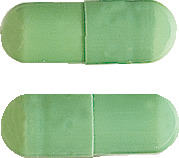
Blooms The Chemist Fluoxetine 20 mg capsules are green hard-shell gelatin capsules, size 3, filled with a homogeneous white powder.

4 Clinical Particulars

4.9 Overdose

Symptoms. Cases of overdose of fluoxetine alone usually have an uncomplicated course and resolve without residual effects. Symptoms of overdose have included nausea, vomiting, seizures, cardiovascular dysfunction ranging from asymptomatic arrhythmias (including nodal rhythm and ventricular arrhythmias) or ECG changes indicative of QTc prolongation to cardiac arrest (including very rare cases of torsade de pointes), pulmonary dysfunction and signs of altered CNS status ranging from excitation to coma. During a 13-year period, there were 34 fatal reports of overdose where fluoxetine was the only reported ingestant although many of the case reports were incomplete.
Management of overdose. In case of overdose, treatment should be supportive and symptomatic.
Establish and maintain an airway; ensure adequate oxygenation and ventilation. Activated charcoal, which may be used with sorbitol, should be considered in treating overdose. Cardiac and vital sign monitoring is recommended, along with general symptomatic and supportive measures. Based on experience in animals, which may not be relevant to humans, fluoxetine induced seizures that fail to remit spontaneously may respond to diazepam.
There are no specific antidotes for fluoxetine hydrochloride.
Because of the large volume of distribution of fluoxetine hydrochloride, forced diuresis, dialysis, haemoperfusion and exchange transfusion are unlikely to be of benefit.
In managing overdosage, consider the possibility of multiple drug involvement.
For information on the management of overdose, contact the Poison Information Centre on 131126 (Australia).

5 Pharmacological Properties

5.3 Preclinical Safety Data

Genotoxicity. Fluoxetine and norfluoxetine have been shown to have no genotoxic effects based on the following assays: bacterial mutation assay, DNA repair assay in cultured rat hepatocytes, and in vivo sister chromatid exchange assay in Chinese hamster bone marrow cells.
Carcinogenicity. There is no evidence of carcinogenicity with fluoxetine hydrochloride from animal studies. The dietary administration of fluoxetine to rats for two years of dose levels of 8-11 mg/kg/day produced no evidence of carcinogenicity.

6 Pharmaceutical Particulars

6.7 Physicochemical Properties

Fluoxetine hydrochloride is a white to off-white crystalline solid with a solubility of 14 mg/mL in water.
Chemical structure.
https://stagingapi.mims.com/au/public/v2/images/fullchemgif/CSFLUOHY.gif Chemical name: (3RS)-N-Methyl-3-phenyl-3-[4-(trifluoromethyl)phenoxy]propan-1amine hydrochloride.
Chemical formula: C17H18F3NO.HCl.
Molecular weight: 345.79.
CAS number. 59333-67-4.

7 Medicine Schedule (Poisons Standard)

S4 - Prescription Only Medicine.

Summary Table of Changes

https://stagingapi.mims.com/au/public/v2/images/fulltablegif/BTCFLUST.gif