



Maxydol
| Consumer Medicine Information (CMI) summary |
The full CMI on the next page has more details. If you are worried about using this medicine, speak to your doctor or pharmacist.
WARNING: Important safety information is provided in a boxed warning in the full CMI. Read before using this medicine.
| 1. Why am I using Maxydol? |
Maxydol contains the active ingredient paracetamol, codeine phosphate hemihydrate and doxylamine succinate. Maxydol is used for temporary relief of acute moderate pain when other analgesics have proven not to be effective. For more information, see Section 1. Why am I using Maxydol? in the full CMI.
| 2. What should I know before I use Maxydol? |
Do not use if you have ever had an allergic reaction to Maxydol or any of the ingredients listed at the end of the CMI.
Talk to your doctor if you have any other medical conditions, take any other medicines, or are pregnant or plan to become pregnant or are breastfeeding.
You may develop addiction, dependence, and tolerance.
For more information, see Section 2. What should I know before I use Maxydol? in the full CMI.
| 3. What if I am taking other medicines? |
Some medicines may interfere with Maxydol and affect how it works.
A list of these medicines is in Section 3. What if I am taking other medicines? in the full CMI.
| 4. How do I use Maxydol? |
The standard dose for adults is 1 or 2 tablets for severe pain, taken every 4 to 6 hours if necessary. More instructions can be found in Section 4. How do I use Maxydol? in the full CMI.
| 5. What should I know while using Maxydol? |
| Things you should do |
|
| Things you should not do |
|
| Driving or using machines |
|
| Drinking alcohol |
|
| Looking after your medicine |
|
For more information, see Section 5. What should I know while using Maxydol? in the full CMI.
| 6. Are there any side effects? |
The common side effects include drowsiness or sleepiness, dry mouth, constipation, difficulty breathing, nausea, vomiting, dizziness, stomach pain, skin rashes, sweating and diarrhoea. They are usually mild. For more information, including what to do if you have any side effects, see Section 6. Are there any side effects? in the full CMI.
| WARNING: Limitations of Use Maxydol should only be used when your doctor decides that other treatment options are not able to effectively manage your pain, or you cannot tolerate them. Hazardous and Harmful Use Maxydol poses risks of abuse, misuse and addiction which can lead to overdose and death. Your doctor will monitor you regularly during treatment. Life Threatening Respiratory Depression Maxydol can cause life-threatening or fatal breathing problems (slow, shallow, unusual or no breathing), even when used as recommended. These problems can occur at any time during use, but the risk is higher when first starting Maxydol and after a dose increase, if you are older, or have an existing problem with your lungs. Your doctor will monitor you and change the dose as appropriate. Use of Other Medicines While Using Maxydol Using Maxydol with other medicines that can make you feel drowsy such as sleeping tablets (e.g. benzodiazepines), other pain relievers, antihistamines, antidepressants, antipsychotics, gabapentinoids (e.g. gabapentin and pregabalin), cannabis and alcohol may result in severe drowsiness, decreased awareness, breathing problems, coma and death. Your doctor will minimise the dose and duration of use; and monitor you for signs and symptoms of breathing difficulties and sedation. You must not drink alcohol while using Maxydol. |
Maxydol
Active ingredient(s): Paracetamol, Codeine phosphate hemihydrate and Doxylamine succinate
| Consumer Medicine Information (CMI) |
This leaflet provides important information about using Maxydol. You should also speak to your doctor or pharmacist if you would like further information or if you have any concerns or questions about using Maxydol.
Where to find information in this leaflet:
1. Why am I using Maxydol?
2. What should I know before I use Maxydol?
3. What if I am taking other medicines?
4. How do I use Maxydol?
5. What should I know while using Maxydol?
6. Are there any side effects?
7. Product details
| 1. Why am I using Maxydol? |
Maxydol contains the active ingredients paracetamol, codeine phosphate hemihydrate and doxylamine succinate. Paracetamol is an analgesic. It also helps in reducing fever. Codeine phosphate is an analgesic and doxylamine succinate is an antihistamine with calmative effects.
In combination, paracetamol, codeine phosphate and doxylamine produce greater analgesia than any of these drugs alone. Maxydol tablets contain no aspirin.
Maxydol is used to provide effective temporary relief of moderate to severe pain when other analgesics have proven not to be effective and discomfort associated with headache (including tension and migraine), period pain, toothache, muscle pain, backache, rheumatic pain, neuralgia, pain associated with trauma or surgery and other pain where a combined analgesic & calmative action is required.
| 2. What should I know before I use Maxydol? |
Warnings
Do not use Maxydol if:
- you are allergic to paracetamol, codeine phosphate hemihydrate, doxylamine succinate, or any of the ingredients listed at the end of this leaflet.
- Always check the ingredients to make sure you can use this medicine.
- you have had an allergic reaction to other opioid analgesics such as morphine or pethidine
- you have had an allergic reaction to other antihistamines.
- you have liver failure
- you have G6PD deficiency, a human enzyme deficiency
- you have acute breathing difficulties such as bronchitis, unstable asthma or emphysema
- you have chronic constipation
- you have diarrhoea caused by antibiotics or poisoning.
Do not take Maxydol if you have a history of drug dependence, including alcohol dependence.
Do not take this medicine if you are also taking monoamine oxidase inhibitors, a type of medicine used to treat depression.
Do not take Maxydol tablets if the packaging is torn or shows signs of tampering.
Do not take this medicine if you are CYP2D6 ultra-rapid metaboliser.
Do not take this medicine if your age is between 12 – 18 years in whom respiratory function might be compromised, including post tonsillectomy and/or adenoidectomy for obstructive sleep apnoea, due to an increased risk of developing serious and life-threatening adverse reactions
Do not take Maxydol tablets with any other products containing paracetamol, unless advised to do so by a doctor or pharmacist. Taking too much paracetamol may cause serious liver damage.
Do not give Maxydol tablets to a child under 12 years.
Check with your doctor if you have:
- any allergies to any other medicines or any other substances, such as foods, preservatives or dyes any of the ingredients listed at the end of this leaflet
- aspirin or any other NSAID medicine
- a history of drug or alcohol dependence
- kidney or liver disease
- heart problems
- difficulty breathing, wheezing, chronic cough, asthma or other chronic breathing conditions
- glaucoma a history of drug or alcohol dependence
- a history of dependence
- recent surgery on the stomach or intestines
- head injury or trauma
- enlarged prostate
- low blood pressure
- underactive thyroid
- epilepsy
- compromised respiratory function (due to emphysema, kyphoscoliosis or obesity)
- known analgesic intolerance
- know you are a CYP 2D6 ultra-rapid metaboliser
- chronic alcohol use including recent cessation of alcohol intake
- low glutathione reserves
- Gilbert's syndrome
- prostate problems
- thyroid problems
- Multiple sclerosis
- urinary, bowel or gallbladder conditions
- Addison's disease
- convulsions, fits or seizures
- pre-existing opioid dependence
- chronic constipation
Caution is particularly recommended for use in adolescents and young adults with a history of drug and/or alcohol abuse.
Do not take this medicine if you have or have had any of the following medical conditions:
- glaucoma (high pressure in the eyes)
- stomach or duodenal ulcer, or other stomach problems
- prostate problems
- bladder problems
During treatment, you may be at risk of developing certain side effects. It is important you understand these risks and how to monitor for them. See additional information under Section 6. Are there any side effects?
Pregnancy and breastfeeding
Check with your doctor if you are pregnant or intend to become pregnant.
Do not take Maxydol during the third trimester of pregnancy.
Do not take codeine during labour, especially if the baby is premature. The medicine may produce withdrawal effects in the newborn baby.
Talk to your doctor if you are breastfeeding or intend to breastfeed.
Do not take this medicine if you are breastfeeding or plan to breastfeed.
It passes into the breast milk and there is a possibility that the baby may be affected.
Addiction
You can become addicted to Maxydol even if you take it exactly as prescribed. Maxydol may become habit forming causing mental and physical dependence. If abused it may become less able to reduce pain.
Dependence
As with all other opioid containing products, your body may become used to you taking Maxydol. Taking it may result in physical dependence. Physical dependence means that you may experience withdrawal symptoms if you stop taking Maxydol suddenly, so it is important to take it exactly as directed by your doctor.
Tolerance
Tolerance to Maxydol may develop, which means that the effect of the medicine may decrease. If this happens, more may be needed to maintain the same effect.
| 3. What if I am taking other medicines? |
Tell your doctor or pharmacist if you are taking any other medicines, including any medicines, vitamins or supplements that you buy without a prescription from your pharmacy, supermarket or health food shop.
Some medicines may interfere with Maxydol and affect how it works. It includes:
- warfarin, a medicine used to prevent blood clots
- metoclopramide, a medicine used to control nausea and vomiting
- medicines used to treat epilepsy or fits
- chloramphenicol, an antibiotic used to treat ear and eye infections
- medicines used to help you relax, sleep or relieve anxiety, such as barbiturates, benzodiazepines and sedatives
- medicines used to relieve stomach cramps or spasms
- medicines used to prevent travel sickness
- medicines used to treat Parkinson's disease
- medicines used to treat high blood pressure
- medicines for diarrhoea, such as kaolin, pectin and loperamide
- other pain relief medication
- monoamine oxidase inhibitors, medicines used to treat depression, if taken within the last 14 days
- quinidine, a medicine used to treat abnormal or irregular heart beat
- phenothiazines and antipsychotic agents, medicines used to treat mental disorders
- medicines used to treat alcohol and/or opioid dependence (e.g. naltrexone, buprenorphine or methadone) or other opioids, used to treat pain or suppress coughs or medicines containing alcohol (ethanol), e.g. some cough syrups
- Chelating resin
- Buprenorphine
- Naltrexone
- CYP 2D6 inhibitors such as fluoxetine, paroxetine, bupropion, cinacalcet, methadone
- CYP 3A4 inducers such as rifampin
Check with your doctor or pharmacist if you are not sure about what medicines, vitamins or supplements you are taking and if these affect Maxydol.
| 4. How do I use Maxydol? |
How much to take
- Adults and children over 12 years: Take 1-2 tablets every 4-6 hours as necessary.
- Do not exceed 8 tablets in a 24-hour period. Do not give to children under 12 years of age.
- Follow the instructions provided and use written on the medicine's label.
- Talk to your doctor or pharmacist if you do not understand the instructions on the box.
WARNING:
Keep to the recommended dose.
- Adults: Do not take this medicine for longer than a few days at a time unless advised to by a doctor.
- Adolescents and children over 12 years of age: Do not take this medicine for longer than 48 hours at a time unless advised to by a doctor.
- Maxydol tablets is for minor and temporary ailments and should be used strictly as directed. Prolonged use without medical supervision could be harmful.
- Codeine may be habit forming if taken frequently and over a long period of time.
- If you are not sure how long to take Maxydol tablets, talk to your doctor or pharmacist.
- If your symptoms persist, worsen or new symptoms develop, talk to your pharmacist.
When to take Maxydol
- Maxydol tablets can be taken with or without food.
- If you are not sure when to take it, ask your doctor or pharmacist.
How to take it
- Swallow Maxydol tablets with a glass of water. Maxydol tablets can be taken with or without food.
If you forget to use Maxydol
Maxydol should be used regularly at the same time each day. Do not try to make up for missed doses by taking more than one dose at a time. This may increase the chance of getting an unwanted side effect.
If it is almost time for your next dose, skip the dose you missed and take your next dose when you are meant to.
Do not take a double dose to make up for the dose you missed.
If you have trouble remembering when to take your medicine, ask your pharmacist for hints.
If you use too much Maxydol
If you or someone else receive too much (overdose), and experience one or more of the symptoms below, immediately call triple zero (000) for an ambulance. Keep the person awake by talking to them or gently shaking them every now and then. You should follow the above steps even if someone other than you have accidentally used Maxydol that was prescribed for you. If someone takes an overdose they may experience one or more of the following symptoms:
- Slow, unusual or difficult breathing
- Drowsiness, dizziness or unconsciousness
- Slow or weak heartbeat
- Nausea or vomiting
- Convulsions or fits
If you think that you have used too much Maxydol, you may need urgent medical attention.
You should immediately:
- phone the Poisons Information Centre
(by calling 13 11 26), or - contact your doctor, or
- go to the Emergency Department at your nearest hospital.
You should do this even if there are no signs of discomfort or poisoning.
You may need urgent medical attention. Large amounts of paracetamol can cause liver damage.
If children taken too much Maxydol tablets they can suffer nightmares, hallucinations, fitting or have difficulty sleeping.
When seeking medical attention, take this leaflet and remaining medicine with you to show the doctor. Also tell them about any other medicines or alcohol which have been taken.
| 5. What should I know while using Maxydol? |
Things you should do
Do not take more than the recommended dose on the label or for a longer period of time.
If you are over 65 years of age, talk to your pharmacist or doctor about how much to take.
Elderly patients are more likely to have side effects from taking these medicines.
Call your doctor straight away if you:
- are about to start taking any new medicine
- symptoms do not improve
- plan to have surgery that needs a general anaesthetic
- become pregnant while you are taking this medicine,
Remind any doctor, dentist or pharmacist when you visit that you are using Maxydol.
Things you should not do
- Do not take more than the recommended dose unless your pharmacist or doctor tells you to.
- Do not take with other medicines containing paracetamol unless your doctor or pharmacist tells you to.
- Adults: Do not take for more than a few days at a time unless your doctor tells you to.
- Children and adolescents (12-17 years): Do not take for longer than 48 hours unless your doctor tells you to.
- Do not give Maxydol tablets to anyone else, even if they have the same condition as you.
- Do not use Maxydol tablets to treat any other complaints unless your doctor or pharmacist tells you to.
- Do not drink alcohol.
Things to be careful of
- Do not take high doses of the medicine for long periods of time unless your doctor tells you to.
- Maxydol tablet may be habit forming if taken at high doses for extended periods of time.
- Too much paracetamol may cause delayed, serious liver damage.
- Only drink small quantities of alcohol (beer, wine or spirits) while taking paracetamol.
- Drinking alcohol and taking paracetamol at the same time can cause liver damage. It is not recommended that you drink alcohol while taking Maxydol.
- Children should not ride bicycles if affected and should be supervised to avoid potential harm.
- Be careful if you are over 65 and unwell or taking other medicines.
- Some people may experience side effects such as drowsiness, confusion, dizziness and unsteadiness, which may increase the risk of a fall.
- About 8% of people are poor metabolisers of codeine and Maxydol tablets may not work as well if you are one of those people.
- Talk to your doctor or pharmacist if this medicine is not relieving your pain.
Driving or using machines
Be careful before you drive or use any machines or tools until you know how Maxydol affects you.
Maxydol tablets may cause drowsiness or sleepiness in some people. If this happens, do not drive or use operate machinery. Make sure you know how you react to Maxydol tablets before you drive a car, operate machinery, or do anything else that could be dangerous if you are dizzy.
Drinking alcohol
Tell your doctor if you drink alcohol.
Do not take this medicine if you regularly drink large quantities of alcohol.
Do not drink alcohol while taking Maxydol.
Drinking alcohol increases the likelihood of becoming drowsy.
Withdrawal
Continue taking your medicine for as long as your doctor tells you. If you stop having this medicine suddenly, your pain may worsen and you may experience some or all of the following withdrawal symptoms:
- nervousness, restlessness, agitation, trouble sleeping or anxiety
- body aches, weakness or stomach cramps
- loss of appetite, nausea, vomiting or diarrhoea
- increased heart rate, breathing rate or pupil size
- watery eyes, runny nose, chills or yawning
- increased sweating
Looking after your medicine
- Keep your tablets in the pack until it is time to take them.
- If you take the tablets out of the pack they will not keep well.
- Keep the tablets in a cool dry place where the temperature stays below 25°C.
- Heat and dampness can destroy some medicines.
- A locked cupboard at least one-and-a-half metres above the ground is a good place to store medicines.
Follow the instructions in the carton on how to take care of your medicine properly.
Store it in a cool dry place away from moisture, heat or sunlight; for example, do not store it:
- in the bathroom or near a sink, or
- in the car or on window sills.
Keep it where young children cannot reach it.
Getting rid of any unwanted medicine
If you no longer need to use this medicine or it is out of date, take it to any pharmacy for safe disposal.
Do not use this medicine after the expiry date. If you take it after the expiry date has passed, it may not work as well.
If your doctor or pharmacist tells you to stop taking Maxydol tablets or the tablets have passed their expiry date, ask your pharmacist what to do with any that are left over.
| 6. Are there any side effects? |
All medicines can have side effects. If you do experience any side effects, most of them are minor and temporary. However, some side effects may need medical attention.
See the information below and, if you need to, ask your doctor or pharmacist if you have any further questions about side effects.
Less serious side effects
| Less serious side effects | What to do |
More broad or affecting different parts of the body:
| Speak to your doctor if you have any of these less serious side effects and they worry you. |
Serious side effects
| Serious side effects | What to do |
More broad or affecting different parts of the body:
| Call your doctor straight away, or go straight to the Emergency Department at your nearest hospital if you notice any of these serious side effects. |
Tell your doctor or pharmacist if you notice anything else that may be making you feel unwell.
Other side effects not listed here may occur in some people.
Reporting side effects
After you have received medical advice for any side effects you experience, you can report side effects to the Therapeutic Goods Administration online at www.tga.gov.au/reporting-problems. By reporting side effects, you can help provide more information on the safety of this medicine.
Always make sure you speak to your doctor or pharmacist before you decide to stop taking any of your medicines.
| 7. Product details |
This medicine is only available with a doctor's prescription.
What Maxydol contains
| Active ingredient (main ingredient) |
|
| Other ingredients (inactive ingredients) |
|
Do not take this medicine if you are allergic to any of these ingredients.
What Maxydol looks like
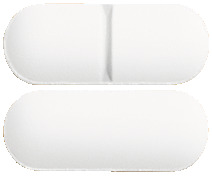
Maxydol tablets are white capsule-shaped tablets with a breakline on one side. They are available in blister packs of 20 and 40 tablets. (AUST R 277276)
Who distributes Maxydol
Arrow Pharma Pty Ltd
15 – 17 Chapel Street
Cremorne
Victoria
3121
Email id: drugsafety@cipla.com
Phone no: 1 800 569 074
This leaflet was prepared in October 2020.
Published by MIMS May 2021
 Chemical name: N-(4-hydroxyphenyl) acetamide.
 Chemical name: (5R, 6S)-7, 8-didehydro-4, 5-epoxy-3-methoxy-N-methylmorphinan-6-ol dihydrogen orthophosphate hemihydrate.
 Chemical name: N,N-Dimethyl-2-[α-methyl- α-(2-piridyl) benzyloxy] ethylamine hydrogen succinate.