

Consumer medicine information

Clomid 50 mg Tablets

Clomifene citrate

BRAND INFORMATION

Brand name

Clomid

Active ingredient

Clomifene citrate

Schedule

S4


Consumer medicine information (CMI) leaflet

Please read this leaflet carefully before you start using Clomid 50 mg Tablets.

1. Why am I using Clomid?


Clomid contains the active ingredient clomifene citrate. About 20% of couples who experience difficulty in conceiving, do so because the woman's ovaries are not producing and releasing an egg each menstrual cycle (anovulation). Your doctor has prescribed Clomid to treat this.
For more information, see Section 1. Why am I using Clomid? in the full CMI.

2. What should I know before I use Clomid?


Do not use if you have ever had an allergic reaction to clomifene citrate or any of the ingredients listed at the end of the CMI.
Talk to your doctor if you have any other medical conditions, take any other medicines, or are pregnant or plan to become pregnant or are breastfeeding.
For more information, see Section 2. What should I know before I use Clomid? in the full CMI.

3. What if I am taking other medicines?


Tell your doctor or pharmacist if you are taking any other medicines, including any medicines, vitamins or supplements that you buy without a prescription from your pharmacy, supermarket or health food shop.

4. How do I use Clomid?

  • The recommended dose for the first course of Clomid is one tablet per day for five days at the beginning of your cycle. If ovulation does not occur, your doctor may advise you to increase the dose of Clomid in subsequent treatment cycles.

More instructions can be found in Section 4. How do I use Clomid? in the full CMI.

5. What should I know while using Clomid?

Things you should do
  • Remind any doctor, dentist or pharmacist you visit that you are using Clomid.
Things you should not do
  • Do not give Clomid to anyone else, even if they have the same condition as you.
  • Do not use Clomid to treat any other complaints unless your doctor tells you to.
Driving or using machines
  • Be careful driving or operating machinery until you know how Clomid affects you.
  • Clomid may cause visual disturbances in some people.
Looking after your medicine
  • Keep your tablets in a cool dry place where the temperature stays below 30°C.
  • Keep your tablets in the pack until it is time to take them.

For more information, see Section 5. What should I know while using Clomid? in the full CMI.

6. Are there any side effects?


Serious side effects include erythema multiforme (a skin condition with red, often itchy spots, which start on the limbs and sometimes on the face and rest of the body), eye related symptoms (blurred vision, partial or complete loss of vision, double vision) and allergic reaction (symptoms such as difficulty breathing, swelling of the face, lips, throat or tongue).
For more information, including what to do if you have any side effects, see Section 6. Are there any side effects? in the full CMI.

BRAND INFORMATION

Brand name

Clomid

Active ingredient

Clomifene citrate

Schedule

S4


1 Name of Medicine

Clomifene citrate.

2 Qualitative and Quantitative Composition

Each Clomid tablet contains the active ingredient 50 mg clomifene citrate.
Excipients with known effect. Contains lactose and sugars. For the full list of excipients, see Section 6.1 List of Excipients.

3 Pharmaceutical Form

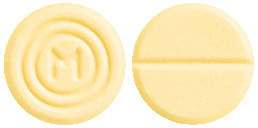
Tablet, 50 mg (beige, scored on one side and M into two concentric circles engraved on the other side).

4 Clinical Particulars

4.9 Overdose

Toxic effects of acute overdosage of Clomid have not been reported, but the number of overdose cases recorded is small. In the event of an overdose, appropriate supportive measures should be employed.
For information on the management of overdose, contact the Poison Information Centre on 131126 (Australia).

5 Pharmacological Properties

5.3 Preclinical Safety Data

Genotoxicity. Clomifene citrate did not induce gene mutations in bacteria (Ames test) or chromosome aberrations in cultured human peripheral blood lymphocytes. Clomifene citrate at oral doses up to 2000 mg/kg/day did not induce genotoxic effects in rats.
The mutagenic potential of Clomid has not been evaluated. See Section 4.4 Special Warnings and Precautions for Use.
Carcinogenicity. Epidemiological case control studies reported an increased relative risk for both ovarian cancer and ovarian tumours of low malignant potential in infertile women who used fertility drugs compared to women without a history of infertility. However, because infertility is a primary risk factor for ovarian cancer, and because of other limitations such as small sample sizes, it cannot be determined from these studies whether the use of fertility drugs increases the risk of ovarian cancer beyond the effect of infertility.
Long-term toxicity studies in animals have not been performed to evaluate the carcinogenic potential of Clomid.
See Section 4.4 Special Warnings and Precautions for Use.

6 Pharmaceutical Particulars

6.7 Physicochemical Properties

Clomifene citrate is a white to pale yellow powder.
Chemical structure. Clomid contains clomifene citrate, a triarylethylene compound (related to chlorotrianisene and triparanol).
2-[4-(2-chloro-1,2-diphenylethenyl) phenoxyl]-N,N-diethylethanamine 2-hydroxy-1,2,3-propanetricarboxylate (1:1) or 2-[p-(2-chloro-1,2-diphenylvinyl) phenoxy] triethylamine citrate (1:1).
The empirical formula is C26H28ClNO,C6H8O7 (MW = 598.09).
The structural formula appears below:
https://stagingapi.mims.com/au/public/v2/images/fullchemgif/CSCLOMIF.gif CAS number. 50-41-9.

7 Medicine Schedule (Poisons Standard)

Prescription Medicine (Schedule 4).

Summary Table of Changes

https://stagingapi.mims.com/au/public/v2/images/fulltablegif/CLOMIDST.gif