



FAVIC
| Consumer Medicine Information (CMI) summary |
The full CMI on the next page has more details. If you are worried about using this medicine, speak to your doctor or pharmacist.
| 1. Why am I using FAVIC? |
FAVIC contains the active ingredient famciclovir. It is an antiviral medicine that is used to treat outbreaks and prevent recurrent outbreaks of genital herpes in adults and adolescents.
For more information, see Section 1. Why am I using FAVIC? in the full CMI.
| 2. What should I know before I use FAVIC? |
Do not use if you have ever had an allergic reaction to FAVIC or any of the ingredients listed at the end of the CMI. Talk to your doctor if you have any other medical conditions, take any other medicines, or are pregnant or plan to become pregnant or are breastfeeding.
For more information, see Section 2. What should I know before I use FAVIC? in the full CMI.
| 3. What if I am taking other medicines? |
Some medicines may interfere with FAVIC and affect how it works.
A list of these medicines is in Section 3. What if I am taking other medicines? in the full CMI.
| 4. How do I use FAVIC? |
Your doctor will give you instruction on how to take FAVIC tablets.
More instructions can be found in Section 4. How do I use FAVIC? in the full CMI.
| 5. What should I know while using FAVIC? |
| Things you should do |
|
| Things you should not do |
|
| Driving or using machines |
|
| Drinking alcohol |
|
| Looking after your medicine |
|
For more information, see Section 5. What should I know while using FAVIC? in the full CMI.
| 6. Are there any side effects? |
Side effects of this medicine may include headache; dizziness; abdominal pain or bloating; nausea; vomiting; diarrhoea; itching or an itchy rash (urticaria); abnormal liver function test results; extreme sleepiness; hallucinations; painful or swollen joints; aching muscles; yellowing of the skin or eyes; palpitations; a rash on other parts of your body; swelling below the surface of the skin; severe blistering of the skin; unexplained bruising; purple patches, itching, burning of the skin; seizures or fits; difficulty breathing or swallowing, wheezing or coughing.
For more information, including what to do if you have any side effects, see Section 6. Are there any side effects? in the full CMI.
FAVIC Treatment of Genital Herpes
Active ingredient(s): famciclovir
| Consumer Medicine Information (CMI) |
This leaflet provides important information about using FAVIC. You should also speak to your doctor or pharmacist if you would like further information or if you have any concerns or questions about using FAVIC.
Where to find information in this leaflet:
1. Why am I using FAVIC?
2. What should I know before I use FAVIC?
3. What if I am taking other medicines?
4. How do I use FAVIC?
5. What should I know while using FAVIC?
6. Are there any side effects?
7. Product details
| 1. Why am I using FAVIC? |
FAVIC is an antiviral medicine that is used to treat outbreaks and prevent recurrent outbreaks of genital herpes in adults and adolescents.
Genital herpes is a viral infection causes by herpes simplex 1 or herpes simplex 2. It is usually transmitted through sexual contact.
Symptoms include tingling, burning or itching of the genitals, followed by the appearance of blisters which may be painful.
People can also take FAVIC to help prevent frequent episodes of genital herpes.
Although FAVIC does not cure the viral infection, it helps to relieve the symptoms and shorten their duration.
The best results are obtained if the medicine is started as soon as possible after the first symptoms begin to appear.
Taking FAVIC does not prevent you from spreading the herpes virus to another person.
Your doctor may have prescribed this medicine for another reason. Ask your doctor if you have any questions about why FAVIC has been prescribed for you.
| 2. What should I know before I use FAVIC? |
Warnings
Do not use FAVIC if you are allergic medical conditions:
- Famciclovir, the active ingredient
- Penciclovir, a related antiviral medicine
- Any of the ingredients listed at the end of this leaflet.
Some of the symptoms of an allergic reaction may include shortness of breath, Skin rash, itching or hives, swelling of the face, lips, tongue or other parts of the body, wheezing or troubled breathing.
Do not use FAVIC if:
- the packaging is torn or shows signs of tampering
- the expiry date printed on the pack has passed.
Tell your doctor or pharmacist if you are allergic to any other medicines, foods, preservatives, or dyes.
Tell your doctor if you have or have had any of the following medical conditions:
- problems with your immune system (which helps fight off infections)
- kidney disease
- liver disease.
Your doctor may want to take special care if you have any of these conditions.
During treatment, you may be at risk of developing certain side effects. It is important you understand these risks and how to monitor for them. See additional information under Section 6. Are there any side effects?
Pregnancy and breastfeeding
Check with your doctor if you are pregnant or intend to become pregnant.
Talk to your doctor if you are breastfeeding or intend to breastfeed.
FAVIC should not be used during pregnancy unless necessary. Your doctor will discuss with you the potential risks of taking FAVIC during pregnancy, and will also advise you if you should take FAVIC while breast-feeding, based on the benefits and risks of your personal situation.
Talk to your doctor or pharmacist if you are not sure whether you should start taking this medicine.
If you have not told them about any of the above, tell him/her before you start taking FAVIC.
All medicines have benefits and risks. Your doctor has weighed the risks of you taking FAVIC against the benefits they expect it will have for you.
There is no evidence that FAVIC is addictive.
FAVIC is not recommended for use in children or adolescents under 18 years of age.
| 3. What if I am taking other medicines? |
Tell your doctor or pharmacist if you are taking any other medicines, including any medicines, vitamins or supplements that you buy without a prescription from your pharmacy, supermarket or health food shop.
Some medicines and FAVIC may interfere with each other. These include:
- probenecid, a prescription medicine used to treat gout (a disease with painful, swollen joints caused by uric acid crystals) and to increase blood levels of penicillin-type antibiotics
- raloxifene, a medicine used to treat osteoporosis (a disease which causes bones to become less dense, gradually making them weaker, more brittle and likely to break)
- medicines that can affect your kidneys.
You may need to take different amounts of these medicines or you may need to take different medicines. Your doctor and pharmacist have more information.
Your doctor OR Pharmacist can tell you what to do if you are taking any of these medicines.
Your doctor and pharmacist have more information on medicines to be careful with or avoid while taking this medicine.
| 4. How do I use FAVIC? |
Swallow the tablets whole with a full glass of water.
Follow all directions given to you by your doctor or pharmacist carefully. They may differ from the information contained in this leaflet.
The tablets may be taken with or without food. It is not necessary to chew or crush the tablet.
If you do not understand the instructions on the box, ask your doctor or pharmacist for help.
How much to take
Follow your doctor's instructions on how many FAVIC tablets to take.
These instructions may differ from the information contained in this leaflet.
Do not change the dose yourself, without your doctor's advice, regardless of how well you may feel.
Ask your doctor or pharmacist if you are unsure of the correct dose for you.
They will tell you exactly how much to take.
For people whose immune system does not work as well as it should, the dose and duration of treatment may need to be increased.
For people who have kidney problems, your doctor may decide to give you a lower dose.
When to take FAVIC
There are different ways to take FAVIC depending on your condition.
To treat an outbreak of genital herpes
To treat an outbreak, take the tablets as soon as possible after the first symptoms of genital herpes appear.
The tablets are best taken within 6 hours of the first symptoms of genital herpes appearing.
There are two ways to take FAVIC to treat an outbreak of genital herpes and your doctor will tell you which regimen is best for you:
- Two 250 mg FAVIC tablets to start with, followed by one 250 mg tablet every 12 hours for the next 3 doses
Or
- One 125 mg FAVIC tablet every 12 hours for 5 days
Both of these outbreak treatment doses deliver the same total quantity of famciclovir (1250 mg) during the treatment course.
Take the second and subsequent doses 12 hours after the first dose, or as close as possible to 12 hours during waking hours.
If you take the first dose in the late morning or early afternoon, you can take the next dose before going to bed, but do not take any doses less than 6 hours apart.
During normal waking hours, take any remaining doses at 12 hourly intervals.
Your doctor may have prescribed a different dose so follow their instructions carefully.
To suppress (prevent) outbreaks of recurrent genital herpes
Start suppressive treatment to prevent outbreaks of recurrent genital herpes as soon as possible after you have your FAVIC prescription filled.
Take one 250 mg FAVIC tablet twice each day.
Continue to take one 250 mg FAVIC tablet twice each day for as long as your doctor tells you to. Do this even if you do not have an outbreak.
This medicine helps to control your condition but does not cure it. Your doctor will tell you when you can stop.
Fill your next repeat prescription before using all of the tablets in your current carton. This will ensure that your treatment can be continued and give you the best results.
Try to take the tablets at about the same times each day, as directed by your doctor or pharmacist.
Taking your tablet at the same times each day will have the best effect. It will also help you remember when to take the tablets.
How long to take it for
Continue taking your medicine for the full course of treatment or for as long as your doctor tells you to.
To help clear up your infection, you must take the full course of treatment, even if you feel your condition has improved after a few days.
To prevent recurrent episodes of genital herpes, you must take the tablets each day, even if you have no symptoms.
It is important to keep taking your medicine even if you feel well.
If you forget to take it
Take it as soon as you remember, and then go back to taking your medicine as you would normally.
Do not take a double dose to make up for the dose that you missed.
This may increase the chance of you getting an unwanted side effect.
If you are not sure what to do, ask your doctor or pharmacist.
If you have trouble remembering to take your medicine, ask your pharmacist for some hints.
If you use too much (Overdose)
You should immediately:
- phone the Poisons Information Centre
(by calling 13 11 26) for advice, or - contact your doctor, or
- go to the Emergency Department at your nearest hospital.
You should do this even if there are no signs of discomfort or poisoning.
You may need medical attention.
Taking too much FAVIC may affect your kidneys. In people who already have kidney problems it may, rarely, lead to kidney failure if their dose is not correctly lowered.
| 5. What should I know while using FAVIC? |
Things you should do
If you become pregnant, make sure you tell your doctor or pharmacist before taking any further doses of FAVIC.
They can discuss with you the risks of taking it while you are pregnant.
Remind your doctor and pharmacist that you are taking FAVIC if you are about to be started on any new medicine.
Tell any other doctors, dentists and pharmacists who are treating you that you are taking FAVIC.
Things you should not do
Do not stop taking FAVIC, or lower the dose without checking with your doctor.
If you stop your tablets suddenly, your condition may worsen or you may have unwanted side effects.
Do not take it to treat any other conditions unless your doctor tells you to.
Do not give FAVIC to anyone else, even if they have the same condition as you.
Things to be careful of
Be careful driving or operating machinery until you know how FAVIC affects you.
This medicine can cause dizziness, sleepiness or confusion in some people.
Avoid sexual intercourse when symptoms are present, even if you have starting taking FAVIC, because the risk of infecting your partner is increased.
This is important to prevent you passing the infection on to others.
Things that may help your condition
Take the following precautions to help manage your condition:
- use condoms between episodes to reduce the risk of infecting your partner
- keep the areas affected by the virus as clean and dry as possible
- wear loose-fitting clothing to avoid irritating the blisters
- avoid touching or scratching the sore area as you may spread the virus on your fingers.
Looking after your medicine
Keep your tablets in the blister pack, until it is time to take them.
If you take the medicine out of the pack it may not keep well.
Keep your tablets in a cool dry place where the temperature stays below 25°C.
Do not store FAVIC or any other medicines in a bathroom or near a sink.
Do not leave it in the car or on windowsills.
Heat and dampness can destroy some medicines.
Keep FAVIC where children cannot reach it.
A locked cupboard at least one-and-a-half metres above the ground is a good place to store medicines.
When to discard your medicine
If your doctor tells you to stop taking this medicine or the expiry date has passed, ask your pharmacist what to do with any medicine that is left over.
| 6. Are there any side effects? |
Tell the doctor or pharmacist as soon as possible if you do not feel well while you are taking FAVIC.
All medicines can have side effects. Sometimes they are serious, most of the time they are not. You may need medical attention if you get some of the side effects.
Do not be alarmed by the following lists of side effects.
You may not experience any of them.
Ask your doctor or pharmacist to answer any questions you may have.
Less serious side effects
| Less Serious Side effects | What to do |
| Speak to your doctor or Pharmacist if you have any of these less side effects and they worry you. |
These side effects are usually mild.
Serious side effects
| Serious side effects | What to do |
| Speak to your doctor or Pharmacist as soon as possible if you have any of these side effects. |
| Call your doctor straight away or go straight to the Emergency Department at your nearest hospital if you notice any of these serious side effects. |
These are serious side effects. You may need urgent medical attention or hospitalisation. These side effects are rare.
Tell your doctor or pharmacist if you notice anything else that may be making you feel unwell.
Other side effects not listed here may occur in some people.
Reporting side effects
After you have received medical advice for any side effects you experience, you can report side effects to the Therapeutic Goods Administration online at www.tga.gov.au/reporting-problems. By reporting side effects, you can help provide more information on the safety of this medicine.
Always make sure you speak to your doctor or pharmacist before you decide to stop taking any of your medicines.
| 7. Product details |
This medicine is only available with a doctor's prescription.
What FAVIC 125 mg and 250 mg tablet contains
| Active ingredient (Main ingredient) | Each FAVIC 125 mg – 125mg of famciclovir Each FAVIC 250 mg – 250mg of famciclovir |
| Other ingredients (Inactive ingredients) |
|
Tablets do not contain gluten, lactose, sucrose, tartrazine or any other azo dyes.
Do not take this medicine if you are allergic to any of these ingredients.
What FAVIC looks like
FAVIC comes in two strengths of tablet for the treatment of genital herpes:
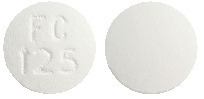
- FAVIC 125 – white to off-white, round tablet with ‘FC’ over ‘125’ on one side. Each pack contains 40 tablets.
- FAVIC 250 – white to off-white, round tablet with ‘FC’ over ‘250’ on one side. Each pack contains 20 or 56 tablets.
Australian registration numbers:
FAVIC 125 - AUST R 159602
FAVIC 250 - AUST R 159611
Who distributes?
Arrotex Pharmaceuticals Pty Ltd
15 – 17 Chapel Street
Cremorne
Victoria 3121
www.arrotex.com.au
This leaflet was prepared in October 2023
Published by MIMS November 2023