



What is in this leaflet
This leaflet answers some common questions about Keppra.
It does not contain all the available information. It does not take the place of talking to your doctor or pharmacist.
All medicines have risks and benefits. Your doctor has weighed the risks of you taking Keppra against the benefits they expect it will have for you.
If you have any concerns about taking this medicine, ask your doctor or pharmacist.
Keep this leaflet with the medicine. You may need to read it again.
What Keppra is used for
Keppra is used to control epilepsy.
Epilepsy is a condition where you have repeated seizures. There are many different types of seizures, ranging from mild to severe.
This medicine belongs to a group of medicines called antiepileptics. These medicines are thought to work by controlling brain chemicals which send signals to nerves so that seizures do not happen.
Keppra may be used alone, or in combination with other medicines, to treat your condition.
Your doctor may have prescribed this medicine in addition to your current therapy.
Ask your doctor if you have any questions about why this medicine has been prescribed for you.
There is no evidence that this medicine is addictive.
This medicine is available only with a doctor’s prescription.
The safety and effectiveness of Keppra has not been established in patients less than 4 years of age.
Before you take Keppra
When you must not take it
Do not take Keppra if you have an allergy to:
- any of the ingredients listed at the end of this leaflet.
Some of the symptoms of an allergic reaction may include:
- shortness of breath
- wheezing or difficulty breathing
- swelling of the face, lips, tongue or other parts of the body
- rash, itching or hives on the skin.
Do not take this medicine after the expiry date (EXP) printed on the pack.
Do not take this medicine if the packaging is torn or shows signs of tampering or if the tablets do not look quite right. If this medicine has expired or is damaged, return it to your pharmacist for disposal.
If you are not sure whether you should start taking this medicine, talk to your doctor or pharmacist.
Before you start to take it
Tell your doctor or pharmacist if you have allergies to:
- any other medicines, especially barbiturates (such as phenobarbitone) or any other antiepileptic medicines (such as carbamazepine, lamotrigine or valproate)
- any other substances, such as foods, preservatives or dyes.
Tell your doctor if you have or have had any medical conditions, especially the following:
- kidney problems
- liver problems.
Tell your doctor if you are pregnant or intend to become pregnant. Keppra may affect your developing baby if you take it during pregnancy. However, it is very important to control your seizures while you are pregnant. Your doctor will outline and weigh up all the risks and benefits of taking Keppra during pregnancy to help decide whether or not you should take it.
Tell your doctor if you are breastfeeding or plan to breastfeed. The active ingredient in Keppra passes into breast milk and there is a possibility that your baby may be affected. Your doctor will discuss the risks and benefits of using Keppra if you are breastfeeding.
If you have not told your doctor or pharmacist about any of the above, tell them before you start taking Keppra.
Taking other medicines
Tell your doctor or pharmacist if you are taking any other medicines, including any that you buy without a prescription from your pharmacy, supermarket or health food shop.
Keppra does not interact with the oral contraceptive pill.
However, you may be given Keppra together with other antiepileptic medicines that do interact and may affect the effectiveness of your contraceptive. Your doctor may advise you to use an additional method of contraception if you take Keppra with other antiepileptic medicines.
How to take Keppra
How much to take
Follow all directions given to you by your doctor carefully. They may differ from the information contained in this leaflet.
Your doctor will tell you how much Keppra you will need to take each day. This may depend on your age, your condition and whether or not you are taking any other medicines.
For patients 12 years of age and older, the dosage is generally between 1000 mg and 3000 mg each day, taken in two doses.
For children 4 to 11 years of age the doctor will calculate the dosage based on the child's weight and tell you how much to give. The medicine is to be given twice daily.
Your doctor may start you on a low dose of Keppra first. Your doctor will slowly increase the amount of medicine until you are taking enough to control your epilepsy and you are not having seizures.
If you do not understand the instructions on the pack, ask your doctor or pharmacist for help.
How to take it
Swallow the tablets whole with a glass of water.
When to take it
Take Keppra twice a day, once in the morning and once at night. Take it at about the same time each day. Taking your medicine at the same time each day will have the best effect. It will also help you remember when to take it.
It does not matter if you take this medicine before or after food.
If you forget to take it
Contact your doctor if you have missed one or more doses.
Do not take a double dose to make up for the dose that you missed. This may increase the chance of you getting an unwanted side effect.
If you are not sure what to do, ask your doctor or pharmacist.
If you have trouble remembering to take your medicine, ask your pharmacist for some hints.
How long to take it
Most antiepileptic medicines take time to work, so do not be discouraged if you do not feel better straight away.
Continue taking your medicine for as long as your doctor tells you to. This medicine helps control your condition, but does not cure it. Therefore you must take your medicine every day, even if you feel well.
Do not stop taking Keppra, or change the dosage, without checking with your doctor. Do not let yourself run out of medicine over the weekend or on holidays. Stopping Keppra suddenly may cause unwanted side effects or make your condition worse. Your doctor will slowly reduce your dose before you can stop taking it completely.
If you take too much (overdose)
Immediately telephone your doctor or the Poisons Information Centre (telephone 13 11 26) for advice, or go to Accident and Emergency at the nearest hospital, if you think that you or anyone else may have taken too much Keppra. Do this even if there are no signs of discomfort or poisoning. You may need urgent medical attention.
Symptoms of an overdose may include feeling drowsy.
While you are using Keppra
Things you must do
Tell your doctor immediately if you notice an increase in seizures.
Tell your doctor immediately if you have symptoms of depression or thoughts of harming yourself.
Tell any other doctors, dentists, and pharmacists who are treating you that you are taking this medicine.
If you are about to be started on any new medicine, tell your doctor, dentist or pharmacist that you are taking Keppra.
Before you have any surgery or emergency treatment, tell your doctor or dentist that you are taking Keppra.
Tell your doctor if you feel Keppra is not helping your condition. Your doctor may need to change your medicine.
Tell your doctor if, for any reason, you have not taken this medicine exactly as prescribed. Otherwise, your doctor may change your treatment unnecessarily.
If you become pregnant while taking this medicine, tell your doctor.
Be sure to keep all of your doctor’s appointments so that your progress can be checked. Your doctor will check your progress and may want to take some tests from time to time. This helps to prevent unwanted side effects.
Things you must not do
Do not give Keppra to anyone else, even if their symptoms seem similar to yours or they have the same condition as you.
Do not take Keppra to treat any other complaints unless your doctor tells you to.
Things to be careful of
Be careful driving or operating machinery until you know how this medicine affects you. Children should be careful doing things like riding bicycles or climbing trees.
As with other antiepileptic medicines, Keppra may cause dizziness or drowsiness in some people. This is more frequent at the beginning of treatment or after an increase in the dose.
If you are feeling dizzy or drowsy do not drive, operate machinery, or do anything else that could be dangerous. Children should not ride a bike, climb trees or do anything else that could be dangerous if they are feeling dizzy or drowsy.
Be careful when drinking alcohol while taking this medicine. Combining Keppra and alcohol can make you more drowsy. Your doctor may suggest you avoid alcohol while you are being treated with Keppra.
Side effects
Tell your doctor or pharmacist as soon as possible if you do not feel well while you are taking Keppra. This medicine helps most people with epilepsy, but it may have unwanted side effects in a few people. All medicines can have side effects. Sometimes they are serious, most of the time they are not. You may need medical attention if you get some of the side effects.
Do not be alarmed by the following list of side effects. You may not experience any of them.
Ask your doctor or pharmacist to answer any questions you may have.
If you get any side effects, do not stop taking Keppra without first talking to your doctor or pharmacist.
Tell your doctor or pharmacist if you notice any of the following and they worry you:
- dizziness
- feeling weak
- headache
- common cold
- upset stomach
- diarrhoea
- feeling tired, drowsy or sleepy.
The above list includes the more common side effects of your medicine. They are usually mild and short-lived.
Tell your doctor as soon as possible if you notice any of the following:
- mood changes such as depression, nervousness, aggression, anger, anxiety, confusion, hallucination, irritability
- feelings of depression
- upper respiratory tract infections
- weight loss.
The above list includes serious side effects that may require medical attention.
If any of the following happen, tell your doctor immediately or go to Accident and Emergency at your nearest hospital:
- thoughts of harming yourself
- more frequent or more severe seizures
- shortness of breath
- wheezing or difficulty breathing
- swelling, blistering or peeling skin around the face, lips, mouth, throat, tongue, genitals or other parts of the body
- rash, itching or hives on the skin.
The above list includes very serious side effects. You may need urgent medical attention or hospitalisation.
Tell your doctor if you notice anything else that is making you feel unwell. Other side effects not listed above may happen in some people.
After using Keppra
Storage
Keep your tablets in the pack until it is time to take them. If you take the tablets out of the pack they will not keep well.
Keep your tablets in a cool dry place where the temperature stays below 25°C.
Do not store Keppra or any other medicine in the bathroom or near a sink. Do not leave it on a window sill or in the car on hot days. Heat and dampness can destroy some medicines.
Keep it where children cannot reach it. A locked cupboard at least one-and-a-half metres above the ground is a good place to store medicines.
Disposal
If your doctor tells you to stop taking this medicine or the expiry date has passed, ask your pharmacist what to do with any medicine that is left over.
Product description
What it looks like
Keppra tablets are available in three strengths:
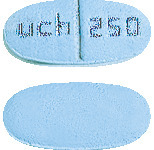
- 250mg – blue, oblong, scored tablet with ucb and 250 stamped on one side
- 500mg - yellow, oblong, scored tablet with ucb and 500 stamped on one side
- 1000mg - white, oblong, scored, tablet with ucb and 1000 stamped on one side.
Ingredients
Each Keppra tablet contains either 250 mg, 500mg, or 1000mg of levetiracetam as the active ingredient.
Other ingredients in Keppra tablets include:
- croscarmellose sodium
- macrogol
- magnesium stearate
- silica colloidal anhydrous.
Keppra tablets are film-coated. The coating for each tablet strength contains polyvinyl alcohol, macrogol, talc and titanium dioxide. The following strengths also contain:
- 250mg – indigo carmine
- 500mg –iron oxide yellow.
Keppra tablets do not contain lactose, sucrose, gluten, tartrazine or any other azo dyes.
Sponsor
UCB Pharma
A division of UCB Australia Pty Ltd
Level 1, 1155 Malvern Road
Malvern Vic 3144, Australia
Keppra 250mg - AUST R 120508
Keppra 500mg - AUST R 120509
Keppra 1000mg - AUST R 120513
Date of preparation:
January 2016
Keppra is a registered trademark of UCB Biopharma SPRL
Published by MIMS December 2019