



What is in this leaflet
This leaflet answers some common questions about OxyContin tablets.
It does not contain all the available information. It does not take the place of talking to your doctor or pharmacist.
All medicines have risks and benefits. Your doctor has weighed the risks of you taking this medicine against the benefits they expect it will have for you.
If you have any concerns about taking this medicine, ask your doctor or pharmacist.
Keep this leaflet with the medicine. You may need to read it again.
What OxyContin tablets are taken for
OxyContin tablets contain oxycodone hydrochloride. Oxycodone belongs to a group of medicines called opioid analgesics.
OxyContin tablets are used to relieve severe pain when other forms of treatment have failed or are otherwise inappropriate to provide sufficient management of pain.
Your doctor, however, may prescribe it for another purpose.
Ask your doctor if you have any questions about why it has been prescribed for you.
As with all strong painkillers, your body may become used to you taking OxyContin tablets. Taking it may result in physical dependence. Physical dependence means that you may experience withdrawal symptoms if you stop taking OxyContin tablets suddenly, so it is important to take it exactly as directed by your doctor.
This medicine is only available with a doctor's prescription.
Before you take it
Long-term use of OxyContin tablets may result in a decrease in sex hormone levels which may affect sperm production in men and the menstrual cycles in females. Talk to your doctor if you have concerns.
When you must not take it
Do not take OxyContin tablets if you:
- have any breathing problems such as acute asthma, respiratory depression (breathing slows or weakens) or other obstructive airways disease
- are severely drowsy or have a reduced level of consciousness
- suffer from irregular heartbeats or changes in the way the heart beats
- have heart disease due to long term lung disease
- have just consumed a large amount of alcohol, regularly consume large amounts of alcohol or have confusion and shaking due to alcohol withdrawal
- suffer from convulsions, fits or seizures
- have a head injury, a brain tumour or have raised pressure within the head, brain or spinal cord
- have sudden, severe abdominal pain
- have a condition where your stomach empties more slowly than it should or any condition that obstructs the stomach/bowel or affects bowel transit (movement of food or ingested material along the bowel)
- have swallowing difficulties or narrowing of the oesophagus
- have severe liver or kidney disease
- are about to have an operation (including surgery on your spine for pain relief in the next 24 hours) or have had an operation within the last 24 hours
- take a medicine for depression called a 'monoamine oxidase inhibitor' or have taken any in the last two weeks.
Do not take OxyContin tablets if you are allergic to oxycodone, opioid painkillers, or any of the ingredients listed at the end of this leaflet.
Do not take this medicine after the expiry date (EXP) printed on the pack. If you take it after the expiry date has passed, it may not work very well.
Do not take it if the packaging is torn or shows signs of tampering.
Do not give this medicine to a child younger than 12 years of age. Safety and effectiveness in children younger than 12 years of age have not been established.
Before you start to take it
Tell your doctor if you have allergies to any other medicines, foods, preservatives or dyes.
Tell your doctor if you have or have had any medical conditions, especially the following:
- Have sleep apnoea (temporarily stopping breathing while you sleep)
- low blood pressure
- increased prostate size or difficulty passing urine
- chronic lung, liver or kidney disease
- disease of your gall bladder or bile duct
- inflammation of the pancreas
- underactive adrenal glands
- underactive thyroid gland
- inflammatory bowel disease or recent abdominal surgery
- diverticulitis (inflammation of bowel wall)
- oesophageal, stomach or intestinal disorders (including cancer in these areas) resulting in narrowing of the oesophagus, stomach or intestines
- severe mental condition involving losing contact with reality, hearing voices or an inability to think clearly
- an addiction or history of abuse of alcohol, opioids or other drugs.
Pregnancy and breastfeeding
This medicine is not recommended to be taken during labour.
Oxycodone given to the mother during labour may cause breathing problems and signs of withdrawal in the newborn.
Tell your doctor if you are breastfeeding or planning to breastfeed.
Oxycodone can pass into the breast milk and can affect the baby.
Your doctor can discuss with you the risks involved.
If you have not told your doctor about any of the above, tell them before you take any OxyContin tablets.
Do not take this medicine if you are pregnant or intend to become pregnant whilst taking this medicine.
Like most medicines of this kind, OxyContin tablets are not recommended to be taken during pregnancy. Your doctor will discuss the risks of taking it if you are pregnant.
Addiction
You can become addicted to OxyContin even if you take it exactly as prescribed. OxyContin may become habit forming causing mental and physical dependence. If abused it may become less able to reduce pain.
Dependence
As with all other opioid containing products, your body may become used to you taking OxyContin. Taking it may result in physical dependence. Physical dependence means that you may experience withdrawal symptoms if you stop taking OxyContin suddenly, so it is important to take it exactly as directed by your doctor.
Tolerance
Tolerance to OxyContin may develop, which means that the effect of the medicine may decrease. If this happens, more may be needed to maintain the same effect.
Withdrawal
Continue taking your medicine for as long as your doctor tells you. If you stop having this medicine suddenly, your pain may worsen and you may experience some or all of the following withdrawal symptoms:
- nervousness, restlessness, agitation, trouble sleeping or anxiety
- body aches, weakness or stomach cramps
- loss of appetite, nausea, vomiting or diarrhoea
- increased heart rate, breathing rate or pupil size
- watery eyes, runny nose, chills or yawning
- increased sweating.
Taking other medicines
Tell your doctor if you are taking any other medicines or dietary supplements, including any that you buy without a prescription from your pharmacy, supermarket or health food shop.
Some medicines and OxyContin tablets may interfere with each other. These include:
- medicines to treat depression, psychiatric or mental disorders
- medicines to treat depression belonging to a group called 'monoamine oxidase inhibitors' must be stopped 14 days before OxyContin tablets are taken
- antidepressants e.g. fluoxetine, paroxetine
- medicines to help you sleep
- medicines to put you to sleep during an operation or procedure
- medicines to relax your muscles
- medicines to lower blood pressure
- quinidine and other medicines to treat the heart
- medicines to treat convulsions e.g. phenytoin, carbamazepine
- medicines to thin the blood e.g. coumarin derivatives such as warfarin
- cimetidine, a medicine to treat stomach ulcers or heartburn
- medicines to relieve stomach cramps or spasms, to prevent travel sickness or symptoms of allergies
- medicines to treat Parkinson's disease
- medicines to treat urinary incontinence
- medicines to stop nausea or vomiting e.g. metoclopramide
- other pain relievers including other opioids
- antifungals e.g. ketoconazole
- antibiotics e.g. clarithromycin, rifampin
- medicine to treat HIV infection and AIDS e.g. ritonavir
- alcohol
- St John's wort (a herbal preparation)
- grapefruit and grapefruit juice.
- medicines to treat epilepsy, pain, and anxiety e.g. gabapentin and pregabalin.
These medicines, dietary supplements or alcohol may be affected by OxyContin tablets, may affect how well OxyContin tablets work or may increase side effects. You may need to use different amounts of your medicines, or take different medicines.
Your doctor or pharmacist has more information on medicines and dietary supplements to be careful with or avoid while taking this medicine.
How to take OxyContin tablets
How much to take
Your doctor will tell you exactly how much to take.
Follow the instructions given to you by your doctor and pharmacist exactly.
How to take it
Swallow OxyContin tablets whole with a full glass of water or other fluid.
OxyContin tablets should be taken one tablet at a time with enough water to ensure complete swallowing immediately after placing it in the mouth.
Do not pre-soak, lick or wet the tablet before placing in your mouth.
Do not break, cut, chew, crush or dissolve the tablets. OxyContin tablets are only designed to work properly if swallowed whole. The tablets may release all their contents at once if broken, cut, chewed, crushed or dissolved which can be dangerous and cause serious problems, such as an overdose, which may be fatal.
If you have trouble swallowing your tablets whole, talk to your doctor.
You must only take OxyContin tablets by mouth. Taking this medicine in a manner other than that prescribed by your doctor can be harmful to your health.
There are no data on rectal administration of OxyContin tablets, therefore rectal administration of OxyContin tablets is not recommended.
When to take it
Take OxyContin tablets every 12 hours.
Take OxyContin tablets regularly to control the pain. Taking them at the same time each day will assist in ensuring the best effect in improving your pain. If however, you begin to experience worsening pain and you are taking your OxyContin tablets as prescribed, contact your doctor as your dosage may have to be reviewed.
How long to take it
Continue taking your medicine for as long as your doctor tells you.
If you stop taking this medicine suddenly, your pain may worsen and you may experience withdrawal symptoms such as:
- body aches
- loss of appetite, nausea, stomach cramps or diarrhoea
- fast heart rate
- sneezing or runny nose
- chills, tremors, shivering or fever
- trouble sleeping
- increased sweating and yawning
- weakness
- nervousness or restlessness.
If you forget to take it
If you forget to take your tablets, contact your doctor or pharmacist for advice.
Do not take a double dose to make up for the dose you have missed. This will increase the chance of you getting unwanted side effects.
If you have trouble remembering when to take your medicine, ask your pharmacist for hints. For example, take your medicine at the same time each morning and evening such as 8 a.m. and 8 p.m.
If you take too much (overdose)
If you or someone else receive too much (overdose), and experience one or more of the symptoms below, call triple zero (000) for an ambulance. Keep the person awake by talking to them or gently shaking them every now and then. You should follow the steps even if someone other than you have accidentally used OxyContin that was prescribed for you. If someone takes an overdose, they may experience one or more of the following symptoms:
- slow, unusual or difficult breathing
- drowsiness, dizziness or unconsciousness
- slow or weak heartbeat
- nausea or vomiting
- convulsions or fits
If you think you or someone else may have taken too much OxyContin, you should immediately telephone your doctor or the Poisons Information Centre (Australia: telephone 13 11 26) , or go to Emergency Department at your nearest hospital.
You should do this even if there are no signs of discomfort or poisoning.
While you are taking it
Things you must do
Take OxyContin tablets exactly as your doctor has prescribed.
Before you start on a new medicine, remind your doctor and pharmacist that you are taking OxyContin tablets.
Tell any other doctors, dentists and pharmacists who treat you that you are taking this medicine.
If you are going to have surgery, tell the surgeon or anaesthetist that you are taking this medicine. It may affect other medicines used during surgery.
If you become pregnant while taking this medicine, tell your doctor immediately.
Keep all of your doctor's appointments so that your progress can be checked. Tell your doctor if your pain is getting worse. Also tell your doctor if you are having any problems or difficulties while you are being treated with OxyContin tablets.
Tolerance to oxycodone may develop which means that the effect of the medicine may decrease. If this happens, your doctor may review your dose so that you get adequate pain relief.
Keep enough OxyContin tablets with you to last over weekends and holidays.
Things you must not do
Do not drink alcohol while you are taking OxyContin tablets. Drinking alcohol whilst taking OxyContin tablets may make you feel more sleepy and increase the risk of serious side effects, such as shallow breathing with the risk of stopping breathing and loss of consciousness.
Do not take OxyContin tablets to treat any other complaint unless your doctor tells you to.
Do not give your medicine to anyone else, even if they have the same condition as you.
Do not stop taking your medicine, exceed the dose recommended or change the dosage without checking with your doctor. Over time your body may become used to oxycodone. If you stop taking it suddenly, your pain may worsen and you may experience unwanted side effects such as withdrawal symptoms. This is called physical dependence.
If you need to stop taking this medicine, your doctor will gradually reduce the amount you take each day, if possible, before stopping the medicine completely.
Things to be careful of
Do not drive or operate machinery until you know how OxyContin tablets affect you. OxyContin tablets may cause drowsiness, dizziness, hallucinations, disorientation, blurred vision or other vision problems or may affect alertness. If you are affected, you should not drive or operate machinery. Discuss these effects with your doctor.
Be careful if you are elderly, unwell or taking other medicines. Some people may experience side effects such as drowsiness, confusion, dizziness and unsteadiness, which may increase the risk of a fall.
If you feel light-headed, dizzy or faint when getting out of bed or standing up, get up slowly. Standing up slowly will help your body get used to the change in position and blood pressure. If this problem continues or gets worse, talk to your doctor.
Tell your doctor if you suffer from nausea or vomiting when taking OxyContin tablets. If you vomit after your dose, your pain may come back, as you may not have absorbed your medicine. If this happens, speak to your doctor. Your doctor may prescribe some medicine to help you stop vomiting.
Tell your doctor if taking OxyContin tablets causes constipation. Your doctor can advise about your diet, the proper use of laxatives or alternative treatments, and suitable exercise you can do to help manage this.
There is potential for abuse of oxycodone and the development of addiction to oxycodone. It is important that you discuss this issue with your doctor.
Side effects
All medicines may have some unwanted side effects. Sometimes they are serious but most of the time they are not. As for other medicines of this type, that is opioid analgesics, many side effects tend to reduce over time, with the exception of constipation. This means that the longer you take this medicine, the less it may cause problems for you. Your doctor has weighed the risks of this medicine against the benefits they expect it will have for you.
Do not be alarmed by this list of possible side effects. Not everybody experiences them.
Tell your doctor or pharmacist as soon as possible if you do not feel well while you are taking OxyContin tablets. This medicine helps most people with moderate to severe pain, but it may have unwanted side effects in a few people. Other side effects not listed here may also occur in some people.
Ask your doctor or pharmacist to answer any questions you may have.
Tell your doctor if you notice any of the following and they worry you:
- mild abdominal problems such as diarrhoea, feeling sick (nausea), decreased appetite or constipation
- dry mouth, hiccups, sore throat, or changes in voice
- excessive sweating
- feeling anxious or nervous, trouble sleeping or abnormal dreams
- trouble with your balance
- new problems with your eyesight
- skin rash, itching, chills or fever
- muscle problems such as spasms, twitching or tremors
- swelling of legs or ankles
- absence of menstrual periods
- impotence
- decreased sexual drive.
Tell your doctor as soon as possible if you notice any of the following and they worry you:
- stomach discomfort, vomiting, indigestion or abdominal pain
- choking, gagging, regurgitation, tablets stuck in throat or trouble swallowing the tablets
- abnormal thinking, changes in mood or feeling deep sadness
- drowsiness, feeling faint or fainting, or dizziness especially when standing up
- slow or noticeable heartbeats
- headache or confusion
- unusual weakness, loss of strength or trouble walking
- fatigue, feeling of tiredness, drowsiness or lack of energy
- changes in passing urine such as the volume passed, pain or feeling the need to urinate urgently.
The above list includes serious side effects that may require medical treatment.
If any of the following happen, tell your doctor immediately or go to Accident and Emergency at your nearest hospital:
- your breathing slows or weakens
- you have an allergic reaction: shortness of breath, wheezing, shallow or difficult breathing; swelling of the face, lips, tongue, throat or other parts of the body; rash, itching or hives on the skin
- seizures, fits or convulsions
- fast or irregular heartbeats
- chest pain or chest tightness.
The above list includes very serious side effects. You may need urgent medical attention or hospitalisation.
When seeking medical attention, take this leaflet and any remaining tablets with you to show the doctor.
After taking it
Storage
Keep your tablets in the blister pack until it is time to take them. If you take the tablets out of the blister pack they may not keep as well.
Keep your tablets in a cool, dry place, where the temperature stays below 25°C.
Do not store it or any other medicine in the bathroom, near a sink or on a window sill.
Do not leave it in the car on hot days. Heat and damp can destroy some medicines.
Keep it where children cannot reach it. A locked cupboard at least one-and-a-half metres above the ground is a good place to store medicines.
Disposal
If you no longer need to use this medicine or it is out of date, take it to any pharmacy for safe disposal.
Do not use this medicine after the expiry date.
Product description
What it looks like
The reformulated OxyContin® tablets are round, film-coated tablets. They are available in six strengths which are as follows:
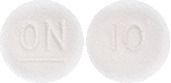
10 mg - white, marked "ON" on one side and 10 on the other
15 mg - grey, marked "ON" on one side and 15 on the other
20 mg - pink, marked "ON" on one side and 20 on the other
30 mg - brown, marked "ON" on one side and 30 on the other
40 mg - yellow, marked "ON" on one side and 40 on the other
80 mg - green, marked "ON" on one side and 80 on the other.
OxyContin® tablets come in boxes containing blister packs of 28 tablets.
Ingredients
Active ingredients:
- 10 mg tablets contain 10 mg oxycodone hydrochloride
- 15 mg tablets contain 15 mg oxycodone hydrochloride
- 20 mg tablets contain 20 mg oxycodone hydrochloride
- 30 mg tablets contain 30 mg oxycodone hydrochloride
- 40 mg tablets contain 40 mg oxycodone hydrochloride
- 80 mg tablets contain 80 mg oxycodone hydrochloride.
Inactive ingredients (reformulated tablets):
- polyethylene oxide
- butylated hydroxytoluene (BHT)
- magnesium stearate.
In addition, the reformulated tablets also contain the ingredients listed below:
- 10 mg - Opadry White
- 15 mg - Opadry complete film coating system Grey
- 20 mg - Opadry Pink
- 30 mg - Opadry Brown
- 40 mg - Opadry Yellow
- 80 mg - Opadry Green.
This medicine does not contain lactose, sucrose, gluten or tartrazine.
Sponsor
OxyContin® tablets are supplied in Australia by:
Mundipharma Pty Limited
ABN 87 081 322 509
10 Carrington Street
Sydney, NSW, 2000
Phone: 1800 188 009
® OXYCONTIN is a trade mark of MUNDIPHARMA.
This leaflet was updated in July 2023
Please check with your pharmacist that this is the latest version of the leaflet available.
Australian Registration Numbers for OxyContin® tablets:
10 mg: AUST R 200031
15 mg: AUST R 200026
20 mg: AUST R 200033
30 mg: AUST R 200025
40 mg: AUST R 200024
80 mg: AUST R 200030
OXYCONTIN-CMIv1- CCDSv18, 19 & 20
Published by MIMS October 2023