
Consumer medicine information
Paracetamol/Codeine GH 500 mg/30 mg Tablets
Paracetamol + Codeine phosphate hemihydrate
 MedicineWise
Keep track of your medicines


BRAND INFORMATION
Brand name
Paracetamol/Codeine GH 500/30
Active ingredient
Paracetamol + Codeine phosphate hemihydrate
Schedule
S4
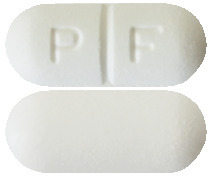
Paracetamol/Codeine GH 500 mg/30 mg Tablets
Boxed Warnings
1 Name of Medicine
Paracetamol and codeine phosphate hemihydrate.
2 Qualitative and Quantitative Composition
Each capsule-shaped tablet contains paracetamol 500 mg, and codeine phosphate hemihydrate 30 mg.
For the full list of excipients, see Section 6.1 List of Excipients.
3 Pharmaceutical Form
Paracetamol/Codeine GH 500/30 is available as capsule shaped tablets.
The capsule shaped tablets are white to off white, marked "P" and "F" either side of a scoreline on one side and plain on the other. The dimensions of the capsule shaped tablet are 17.46 mm x 7.14 mm x 6.05 mm.
4 Clinical Particulars
4.9 Overdose
Elderly persons, small children, patients with liver disorders, chronic alcohol consumption or chronic malnutrition, as well as patients concomitantly treated with enzyme-inducing drugs are at an increased risk of intoxication, including fatal outcome.
In an evaluation of codeine intoxication in children, symptoms seen included: sedation, rash, miosis, vomiting, itching, ataxia and swelling of the skin. Respiratory failure may occur.
The ingestion of very high doses of codeine can cause initial excitation, anxiety, insomnia followed by drowsiness in certain cases, areflexia progressing to stupor or coma, headache, miosis, alterations in blood pressure, arrhythmias, dry mouth, hypersensitivity reactions, cold clammy skin, bradycardia, tachycardia, convulsions, gastrointestinal disorders, nausea, vomiting and respiratory depression.
Severe intoxication can lead to apnoea, circulatory collapse, cardiac arrest and death.
Consists primarily of management of paracetamol toxicity; naloxone is the treatment of choice for codeine intoxication. In cases of overdosage, methods of reducing the absorption of ingested drug are important. Prompt administration of 50 g activated charcoal and 500 mL iced mannitol 20% by mouth may reduce absorption.
Determinations of the plasma concentration of paracetamol are recommended.
If the history suggests that 15 g paracetamol or more has been ingested, administer one of the following antidotes:
If more than ten hours have elapsed since the overdosage was taken, the antidote may be ineffective.
In general, treatment for codeine overdose should be symptomatic: re-establish adequate respiratory exchange by ensuring a clear airway and using mechanical ventilation. When treatment for paracetamol toxicity has been initiated, naloxone 400 microgram may be administered SC, IM or IV; IV may be repeated at intervals of 2 to 3 minutes if necessary. Assisted respiration may be required.
Further measures will depend on the severity, nature and course of clinical symptoms of intoxication and should follow standard intensive care protocols.
For information on the management of overdose, contact the Poisons Information Centre on 13 11 26 (Australia).
5 Pharmacological Properties
5.3 Preclinical Safety Data
6 Pharmaceutical Particulars
6.7 Physicochemical Properties
Paracetamol is a white or almost white, crystalline powder. It is sparingly soluble in water, freely soluble in alcohol and very slightly soluble in methylene chloride. It has a melting point between 168°C and 172°C.
Codeine phosphate hemihydrate is a white or almost white, crystalline powder or small, colourless crystals. It is freely soluble in water and slightly soluble or very slightly soluble in ethanol (96%).
https://stagingapi.mims.com/au/public/v2/images/fullchemgif/CSPARCET.gif Paracetamol MW: 151.17.
https://stagingapi.mims.com/au/public/v2/images/fullchemgif/CSCODPHH.gif Codeine phosphate hemihydrate MW: 406.37.
Codeine phosphate hemihydrate: C18H24NO7P,½H2O.
Codeine phosphate hemihydrate: 7,8-Didehydro-4,5α-epoxy-3-methoxy-17-methylmorphinan-6α-ol phosphate hemihydrate.
Codeine phosphate hemihydrate: CAS No. 41444-62-6.
7 Medicine Schedule (Poisons Standard)
Prescription Only Medicine (Schedule 4).
Summary Table of Changes
https://stagingapi.mims.com/au/public/v2/images/fulltablegif/PACOGHST.gif