



What is in this leaflet
This leaflet answers some common questions about the Phenobarb tablets.
It does not contain all the available information. It does not take the place of talking to your doctor or pharmacist.
All medicines have risks and benefits. Your doctor has weighed the risks of you taking Phenobarb tablets against the benefits they expect it will have for you.
If you have any concerns about taking this medicine, ask your doctor or pharmacist.
Keep this leaflet with the medicine. You may need to read it again.
What Phenobarb tablets are used for
Phenobarb tablets contain the active ingredient Phenobarbital, which belongs to a group of medicines called barbiturates. Barbiturates act by inducing sleep and stopping convulsions.
Phenobarb tablets are used for:
- epileptic fits
- sedation.
Ask your doctor if you have any questions about why Phenobarb tablets have been prescribed for you. Your doctor may have prescribed it for another purpose.
It is available only with a doctor's prescription.
The use of barbiturates may lead to dependence on the medicine.
Before you take it
When you must not take it
Do not take Phenobarb tablets if you are allergic to:
Phenobarbital, other barbiturates or any other ingredients listed at the end of this leaflet.
Some of the symptoms of an allergic reaction may include red, itchy skin rashes, difficulty breathing, hayfever, swelling of the face or throat or faintness.
Phenobarb tablets should not be used if you have or have had any of the following medical conditions:
- porphyria, a rare blood pigment disorder
- anaemia, a disease of the blood with reduced number of red blood cells
- severe breathing difficulties
- uncontrolled severe asthma
- uncontrolled diabetes mellitus or sugar diabetes
- alcoholism or drug dependence
- liver or kidney problems
- severe depression or suicidal tendencies
- or long term pain.
Phenobarb tablets should not be given to unusually overactive children.
Do not take this medicine after the expiry date (EXP.) printed on the pack.
Do not take it if the packaging shows signs of tampering or the tablets do not look quite right.
Before you start to take it
Tell your doctor if you are pregnant or intend to become pregnant. Phenobarb tablets may harm your developing baby if you take it during pregnancy. However, it is very important to control your fits while you are pregnant. Phenobarbital should not be used during pregnancy unless the potential benefit is judged to outweigh the risks following consideration of other suitable treatment options.
If you become pregnant while taking Phenobarb, call your doctor.
Tell your doctor if you are breastfeeding or plan to breastfeed. Breast feeding is not recommended while taking this medicine as it can affect your baby.
Use in the elderly
Elderly patients are more likely to have less effective kidney or liver function due to age. This may increase the risk of side effects.
Tell your doctor if you are:
- allergic to any other medicines or any other substances, such as foods, preservatives or dyes
- have any other medical or health problems including:
- blood pressure
- heart problems
- lung problems
- hyperthyroidism (an overactive thyroid gland)
- hypoadrenalism (borderline), an underfunctioning adrenal gland
- a depressive illness
- asthma
- a heavy drinker
- a drug dependency.
If you have not told your doctor about any of the above, tell them before you take any Phenobarb tablets.
Taking other medicines
Tell your doctor if you are taking any other medicines, including medicines that you buy without a prescription from a pharmacy, supermarket or health food shop.
Some medicines may interact with Phenobarb tablets. These include:
- other medications used to treat epilepsy
- anticoagulant medicines used to treat clots, e.g. warfarin
- painkillers, paracetamol and stronger narcotic agents
- antidepressants, medicines used to treat depression
- anti-arrhythmics, medicines used to treat irregular heartbeats e.g. quinidine, disopyramide
- antibiotics and antifungal agents, medicines used to treat infections
- including AIDS
- calcium channel blockers, medicines used to treat high blood pressure and angina
- antipsychotics, medicines used to treat certain mental and emotional conditions
- chemotherapy drugs, used to treat
- cancer
- corticosteroids, such as prednisolone, cortisone
- medicines used to treat heart failure e.g. digoxin
- oral contraceptives
- immunosuppressive medicines, used to lower your body's resistance to disease e.g. ciclosporin, tacrolimus
- medicines used to stop you from feeling pain, e.g. anaesthetic agents
- disulfiram, a medicine used to treat alcoholism
- diuretics
- thyroid replacement therapy medications, e.g. levothyroxine
- urinary alkalinisers
- antihistamines, medicines used to prevent or relieve symptoms of allergy.
- theophylline, medicine used to treat asthma.
- beta-blockers e.g. propranolol, used to treat high blood pressure and heart conditions.
The above medicines may reduce the effectiveness of Phenobarb tablets, reduce their own effectiveness and/ or react with it resulting in untoward or sometimes dangerous side effects.
Your doctor or pharmacist has more information on medicines to be careful with or avoid while taking Phenobarb tablets.
How to take it
How much to take
Take your medicine as directed by your doctor.
The usual doses of Phenobarb tablets are:
Adults:
- Sedative dose
1-4 tablets as a single daily dose or as 2 to 3 divided doses per day. - Anticonvulsant dose
2-8 tablets as a single daily dose or as 2 to 3 divided doses per day.
Children:
- Your doctor will advise you of the correct dose, depending on the weight of your child.
How to take it
Swallow the tablets whole with a glass of water.
How long to take it
Continue taking Phenobarb tablets as long as your doctor recommends to.
Do not stop taking Phenobarb tablets without checking with your doctor. Do not let yourself run out of medicine over the weekend or on holidays.
Stopping this medicine suddenly may cause unwanted effects or make your condition worse. Your doctor will slowly reduce your dose before you can stop taking it completely.
If you forget to take it
Take your dose as soon as you remember, and then go back to taking it as you would normally.
Do not take a double dose to make up for the dose that you missed.
If you are unsure about whether to take your next dose, speak to your doctor or pharmacist.
Do not try to make up for missed doses by taking more than one dose at a time. This may increase the chance of you getting an unwanted effect.
If you take too much (overdose)
Immediately telephone your doctor or Poisons Information Centre (telephone 13 11 26) for advice, or go to Accident and Emergency at your nearest hospital, if you think that you or anyone else may have taken too much Phenobarb.
Do this even if there are no signs of discomfort or poisoning.
Also report any other medicine or alcohol (including any barbiturates or narcotics) which has been taken.
You may need urgent medical attention.
Symptoms of overdose include weakness, dizziness, lethargy, nausea, vomiting, sweating, underbreathing, impairment of consciousness, collapse of circulation, mental confusion and low blood pressure.
While you are taking it
Things you must do
Take Phenobarb tablets exactly as directed by your doctor.
Tell your doctor if you want to take oral contraceptives while taking Phenobarb tablets. You may need a higher dose of oral contraceptives than usual to prevent pregnancy, or you may need to consider other forms of contraception.
Tell your doctor if you become pregnant while you are taking Phenobarb tablets.
If you need any medical tests while you are taking Phenobarb tablets, tell your doctor as it may affect the results of some tests.
Always discuss with your doctor any problems or difficulties during or after taking this medicine.
Your doctor may want to take some tests from time to time to help prevent unwanted side effects.
Things you must not do
Do not take any other medicines while you are taking Phenobarb tablets without first telling your doctor.
Do not drive or operate machinery until you know how this medicine affects you. Phenobarb may cause dizziness in some people and therefore may affect alertness.
Do not give this medicine to anyone else, even if their symptoms seem similar to yours.
Things to be careful of
Be careful drinking alcohol while taking Phenobarb tablets. If you drink alcohol, it could make some of the unwanted side effects of this medicine worse.
Your doctor may suggest that you avoid alcohol completely or reduce the amount of alcohol you drink while you are taking Phenobarb tablets.
Some people may experience side effects such as nausea, vomiting, constipation, drowsiness and dizziness which may further affect the risk when driving or using dangerous machinery.
Side effects
Tell your doctor or pharmacist as soon as possible if you do not feel well while you are taking Phenobarb tablets.
All medicines have side effects. Sometimes they are serious, most of the time they are not. You may need medical treatment if you get some of the side effects.
Ask your doctor or pharmacist any questions you may have.
Tell your doctor if you notice any of the following and they worry you:
- rapid heartbeat
- nausea (feeling sick)
- constipation
- dizziness
- lethargy
- vomiting
- skin rashes
- sweating
- dry mouth
- confusion
- faintness
- irritability
- restlessness
- dependency (habit-forming)
- mood changes
- drowsiness
- hyperexcitability
- hangover
- sleep disturbances.
The above side effects are common.
Tell your doctor immediately or go to Accident and Emergency at your nearest hospital if you notice any of the following:
- sore throat
- fever
- easy or unusual bleeding or bruising under the skin
- nosebleed
- other signs of infection e.g. swollen glands, mouth ulcers
- sudden signs of allergy e.g. severe skin rash (Steven-Johnson syndrome, toxic epidermal necrolysis), itching, hives, blisters or peeling skin.
These are very serious side effects. You may need urgent medical attention or hospitalisation.
Tell your doctor immediately or go to the Accident and Emergency department of your nearest hospital if you have any thoughts of harming yourself or committing suicide.
Tell your doctor or pharmacist if you notice anything else that is making you feel unwell. Other side effects not listed above may occur in some patients.
Do not be alarmed by this list of possible side effects. You may not experience any of them.
After taking it
Storage
Keep it where children cannot reach it. A locked cupboard at least one-and a-half metres above the ground is a good place to store medicines.
Keep this medicine in a cool dry place, protected from light where the temperature stays below 25°C.
Do not store it or any other medicines in a bathroom or near a sink. Do not leave it in the car or on window sills. Heat and dampness can destroy some medicines.
Disposal
If your doctor tells you to stop taking this medication or it has passed its expiry date, ask your pharmacist what to do with any tablets that are left over.
Product description
What it looks like
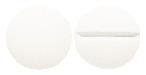
Phenobarb tablets are uncoated, white, round and scored. Available in bottles of 200 tablets.
Ingredients
Active ingredient:
Each Phenobarb tablet contains 30 mg Phenobarbital.
Inactive ingredients:
- lactose monohydrate
- acacia
- starch - wheat
- magnesium stearate.
Phenobarb tablets contain gluten and lactose monohydrate.
Phenobarb tablets do not contain sucrose, tartrazine or any other azo dyes.
Sponsor
Arrotex Pharmaceuticals Pty Ltd
15-17 Chapel Street
Cremorne VIC 3121
Australia
www.arrotex.com.au
Australian registration number: AUST R 19758
This leaflet was revised in August 2023.
Published by MIMS September 2023