



QTERN® 5/10
| Consumer Medicine Information (CMI) summary |
The full CMI on the next page has more details. If you are worried about using this medicine, speak to your doctor or pharmacist.
| 1. Why am I taking QTERN? |
QTERN contains two active ingredients, saxagliptin and dapagliflozin. QTERN is used to lower blood sugar levels in patients with type 2 diabetes mellitus along with diet and exercise, in combination with another medicine called metformin.
For more information, see Section 1. Why am I taking QTERN? in the full CMI.
| 2. What should I know before I take QTERN? |
Do not take if you have ever had an allergic reaction to saxagliptin or dapagliflozin, or any other DPP-4 inhibitor medicine, or any of the ingredients listed at the end of this leaflet.
Talk to your doctor if you have any other medical conditions, take any other medicines, or are pregnant or plan to become pregnant or are breastfeeding.
For more information, see Section 2. What should I know before I take QTERN? in the full CMI.
| 3. What if I am taking other medicines? |
Some medicines may interfere with QTERN and affect how it works.
A list of these medicines is in Section 3. What if I am taking other medicines? in the full CMI.
| 4. How do I take QTERN? |
- Swallow your QTERN tablet whole with a full glass of water.
- The dose of QTERN is one tablet once a day.
More instructions can be found in Section 4. How do I take QTERN? in the full CMI.
| 5. What should I know while taking QTERN? |
| Things you should do |
|
| Things you should not do |
|
| Driving or using machines |
|
| Looking after your medicine |
|
For more information, see Section 5. What should I know while using QTERN? in the full CMI.
| 6. Are there any side effects? |
All medicines can have side effects. If you do experience any side effects, some can be minor and temporary. However, some side effects may be serious, and could require urgent medical attention or hospitalisation. See Section 6. Are there any side effects?in the full CMI and, if you need to, ask your doctor if you have any further questions about side effects. Tell your doctor if you experience any side effects, including those not listed in this leaflet.
For more information, including what to do if you have any side effects, see Section 6. Are there any side effects? in the full CMI.
QTERN® 5/10
Active ingredient(s): saxagliptin/dapagliflozin
| Consumer Medicine Information (CMI) |
This leaflet provides important information about using QTERN. You should also speak to your doctor or pharmacist if you would like further information or if you have any concerns or questions about using QTERN.
Where to find information in this leaflet:
1. Why am I taking QTERN?
2. What should I know before I take QTERN?
3. What if I am taking other medicines?
4. How do I take QTERN?
5. What should I know while taking QTERN?
6. Are there any side effects?
7. Product details
| 1. Why am I taking QTERN? |
QTERN contains two active ingredients, saxagliptin and dapagliflozin. Saxagliptin belongs to a class of medicines called DPP-4 inhibitors (dipeptidyl peptidase-4 inhibitors), and dapagliflozin belongs to a class of medicines called SGLT-2 (Sodium Glucose Cotransporter-2) inhibitors.
QTERN is used to lower blood sugar levels in patients with type 2 diabetes mellitus along with diet and exercise, in combination with another medicine called metformin. QTERN is used when diet and exercise in combination with metformin do not provide adequate blood sugar level control.
Type 2 diabetes mellitus
Type 2 diabetes mellitus is a condition in which your body does not make enough insulin and the insulin that your body produces does not work as well as it should. Your body can also make too much sugar. When this happens, sugar (glucose) builds up in the blood and can lead to serious medical problems.
The main goal of treating type 2 diabetes is to control your blood sugar to a normal level. Lowering and controlling blood sugar may help prevent or delay complications of diabetes, such as heart disease, kidney disease, blindness and amputation.
| 2. What should I know before I take QTERN? |
Warnings
Do not take QTERN if:
- you are allergic to saxagliptin or dapagliflozin, or any other DPP-4 inhibitor medicine, or any of the ingredients listed at the end of this leaflet.
- Always check the ingredients to make sure you can take this medicine.
- you have poorly functioning kidneys, severe kidney disease or kidney failure. QTERN requires good functioning kidneys to work well.
- you have poor liver function or severe liver failure. If you have or have had problems with your liver, tell your doctor before you take any QTERN.
Check with your doctor if you:
- have any allergies to any other medicines, foods, dyes or preservatives.
- have, or have had, any of the following medical conditions, as it may not be safe for you to take QTERN:
- type 1 diabetes mellitus that is well controlled by insulin alone.
- diabetic ketoacidosis. This is a symptom of uncontrolled diabetes, in which substances called ketone bodies build up in the blood. You may notice this as rapid weight loss, feeling sick or being sick, stomach pain, excessive thirst, fast and deep breathing, confusion, unusual sleepiness or tiredness, a sweet smell to your breath, a sweet or metallic taste in your mouth, or a different odour to your urine or sweat.
- heart failure.
- kidney, liver or pancreas problems.
- frequently get genital or urinary tract infections (infections of the bladder, kidney, or tubes that carry urine).
- an illness that will make you dehydrated such as diarrhoea or a severe infection. - are taking a medicine for high blood pressure or taking a water pill (diuretic).
- take any medicines for any other condition.
- are lactose intolerant. QTERN tablets contain lactose.
Your doctor will do some tests for kidney function at the start of treatment and regularly while you are on treatment.
During treatment, you may be at risk of developing certain side effects. It is important you understand these risks and how to monitor for them. See additional information under Section 6. Are there any side effects?
Pregnancy and breastfeeding
Do not take QTERN if you are pregnant or plan to become pregnant.
Tell your doctor if you are pregnant or intend to become pregnant.
QTERN is not recommended for use during pregnancy. It is not known if QTERN will harm your unborn baby. The safety of QTERN in pregnant women has not been established. Insulin is more suitable for controlling blood glucose during pregnancy. Your doctor will replace QTERN with insulin while you are pregnant.
Do not take QTERN if you are breastfeeding.
Tell your doctor if you are breastfeeding or plan to breastfeed.
QTERN is not recommended while you are breastfeeding. It is not known if the active ingredients in QTERN will pass into your breast milk. Your doctor will discuss the options available to you.
Children
QTERN is not recommended for use in children.
It has not been studies in children younger than 18 years old.
| 3. What if I am taking other medicines? |
Tell your doctor or pharmacist if you are taking any other medicines, including any medicines, vitamins or supplements that you buy without a prescription from your pharmacy, supermarket or health food shop.
Discard any other medicines containing dapagliflozin or saxagliptin that your doctor might have prescribed to you in the past and that you may still have in your possession.
QTERN contains dapagliflozin and saxagliptin. If you have more than one medicine containing dapagliflozin or saxagliptin in your possession, you may accidentally take too much (overdose).
Ask your doctor or pharmacist if you are unsure if you have any other medicines containing dapagliflozin or saxagliptin.
Saxagliptin and dapagliflozin are sold separately as ONGLYZA and FORXIGA and may also be sold in combination with metformin as KOMBIGLYZE XR and XIGDUO XR in Australia. Your doctor or pharmacist will know which other medicines also contain saxagliptin and dapagliflozin and can tell you what to do.
Tell your doctor or pharmacist if you are taking lithium because QTERN can lower the amount of lithium in your blood.
QTERN can be taken with most other medicines.
Check with your doctor or pharmacist if you are not sure about what medicines, vitamins or supplements you are taking and if these affect QTERN.
| 4. How do I take QTERN? |
How to take QTERN
Follow all directions given to you by your doctor or pharmacist carefully.
They may differ from the information contained in this leaflet.
If you do not understand the instructions on the pack, ask your doctor or pharmacist for help.
- Swallow your QTERN tablet whole with a full glass of water.
- QTERN tablets should not be split or cut.
How much to take
- The dose of QTERN is one tablet once a day
Your doctor may prescribe QTERN along with other medicines that lower blood sugar.
When to take QTERN
- QTERN should be taken at approximately the same time each day. Taking your tablets at the same time each day will have the best effect. It will also help you remember when to take the tablets.
- QTERN tablets can be taken with or without food.
How long to take
- Continue taking your medicine for as long as your doctor tells you. Make sure you keep enough QTERN to last over weekends and holidays.
QTERN helps control your condition, but does not cure it. Therefore, you must take QTERN every day.
If you forget to take QTERN
QTERN should be taken regularly at the same time each day. If you miss your dose at the usual time, take it as soon as you remember, and then go back to taking your medicine as you would normally.
If it is almost time for your next dose, skip the dose you missed and take your next dose when you are meant to.
Do not take a double dose to make up for the dose you missed.
If you are not sure what to do, ask your doctor or pharmacist.
If you have trouble remembering to take your medicine, ask your pharmacist for some hints.
If you take too much QTERN
If you think that you have taken too much QTERN, you may need urgent medical attention.
You should immediately:
- phone the Poisons Information Centre
(by calling 13 11 26), or - contact your doctor, or
- go to the Emergency Department at your nearest hospital.
You should do this even if there are no signs of discomfort or poisoning.
| 5. What should I know while taking QTERN? |
Things you should do
If you are about to be started on any new medicine, tell your doctor, dentist or pharmacist that you are taking QTERN.
Make sure that you, your friends, family and work colleagues can recognise the symptoms of hypoglycaemia and hyperglycaemia and know how to treat them.
Like for all patients with diabetes it is important to check your feet regularly and adhere to any other advice regarding foot care given by your doctor.
Tell your doctor if you experience rapid weight loss, feeling sick or being sick, stomach pain, excessive thirst, fast and deep breathing, confusion, unusual sleepiness or tiredness, a sweet smell to your breath, a sweet or metallic taste in your mouth, or a different odour to your urine or sweat. These symptoms could be a sign of diabetic ketoacidosis.
Talk to your doctor if you are having surgery (including dental surgery) to discuss when to stop taking QTERN and when to start taking it again.
If you need to have any medical tests while you are taking QTERN, tell your doctor. QTERN may affect the results of some tests.
Visit your doctor regularly for check-ups. Your doctor may want to perform blood tests to check your kidneys, liver, heart, and levels of cholesterol and fats in your blood while you are taking QTERN.
Hypoglycaemia
QTERN does not normally cause hypoglycaemia, although you may experience it if you take certain other medicines.
Hypoglycaemia can occur suddenly. Initial signs may include:
- weakness, trembling or shaking
- sweating
- lightheadedness, dizziness, headache or lack of concentration
- irritability, tearfulness or crying
- hunger
- numbness around the lips and tongue.
If not treated promptly, these may progress to:
- loss of co-ordination
- slurred speech
- confusion
- fits or loss of consciousness.
If you experience any of the symptoms of hypoglycaemia, you need to raise your blood glucose immediately.
You can do this by doing one of the following:
- eating 5 to 7 jelly beans
- eating 3 teaspoons of sugar or honey
- drinking half a can of non-diet soft drink
- taking 2 to 3 concentrated glucose tablets.
Unless you are within 10 to 15 minutes of your next meal or snack, follow up with extra carbohydrates such as plain biscuits, fruit or milk.
Taking this extra carbohydrate will prevent a second drop in your blood glucose level.
Hyperglycaemia
If you notice the return of any of the signs of hyperglycaemia, contact your doctor immediately.
Your doctor may need to consider additional or other treatments for your diabetes.
The risk of hyperglycaemia is increased in the following situations:
- uncontrolled diabetes
- illness, infection or stress
- taking less QTERN than prescribed
- taking certain other medicines
- too little exercise
- eating more carbohydrates than normal.
Tell your doctor if you:
- become ill
- become dehydrated
- are injured
- have a fever
- have a serious infection
- are having surgery (including dental surgery).
Your blood glucose may become difficult to control at these times.
If you become pregnant while taking QTERN, tell your doctor immediately.
Remind any doctor, dentist or pharmacist you visit that you are using QTERN.
Things you should not do
- Do not stop taking your medicine or change the dosage without checking with your doctor.
- Do not give QTERN to anyone else, even if their symptoms seem similar or they have the same condition as you.
- Do not take QTERN to treat any other complaints unless your doctor tells you to.
Driving or using machines
Be careful before you drive or use any machines or tools until you know how QTERN affects you.
Although rare, QTERN may cause dizziness in some people. Low blood sugar levels may also slow your reaction time and affect your ability to drive or operate machinery.
Make sure you know how you react to QTERN before you drive a car, operate machinery or do anything else that could be dangerous if you are dizzy or lightheaded.
Looking after your medicine
- Keep your QTERN tablets in the blister until it is time to take them. If you take QTERN out of the blister, it will not keep well.
- Keep your tablets in a cool dry place where the temperature stays below 30 degree Celsius.
Follow the instructions in the carton on how to take care of your medicine properly.
Store it in a cool dry place away from moisture, heat or sunlight; for example, do not store it:
- in the bathroom or near a sink, or
- in the car or on window sills.
Keep it where young children cannot reach it.
Getting rid of any unwanted medicine
If you no longer need to use this medicine or it is out of date, take it to any pharmacy for safe disposal.
Do not use this medicine after the expiry date.
| 6. Are there any side effects? |
All medicines can have side effects. If you do experience any side effects, most of them are minor and temporary. However, some side effects may need medical attention.
See the information below and, if you need to, ask your doctor or pharmacist if you have any further questions about side effects.
Less serious side effects
| Less serious side effects | What to do |
Gut-related:
| Speak to your doctor if you have any of these less serious side effects and they worry you. |
Serious side effects
| Serious side effects | What to do |
Allergic Reaction:
| Call your doctor straight away, or go straight to the Emergency Department at your nearest hospital if you notice any of these serious side effects. You may need urgent medical attention or hospitalisation. Serious side effects are rare. |
Tell your doctor or pharmacist if you notice anything else that may be making you feel unwell.
Other side effects not listed here may occur in some people.
Occasionally, QTERN may be associated with changes in your blood. These can only be found when your doctor does tests from time to time to check your progress.
Reporting side effects
After you have received medical advice for any side effects you experience, you can report side effects to the Therapeutic Goods Administration online at www.tga.gov.au/reporting-problems. By reporting side effects, you can help provide more information on the safety of this medicine.
Always make sure you speak to your doctor or pharmacist before you decide to stop taking any of your medicines.
| 7. Product details |
This medicine is only available with a doctor's prescription.
What QTERN contains
| Active ingredients (main ingredient) |
|
| Other ingredients (inactive ingredients) |
|
| Potential allergens | Lactose |
Do not take this medicine if you are allergic to any of these ingredients.
QTERN tablets do not contain gluten or sucrose.
What QTERN looks like
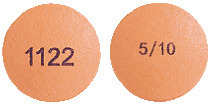
QTERN 5/10 tablets are light brown to brown, biconvex, round, film-coated tablet, with “5/10” printed on one side, and “1122” printed on the other side, in blue ink. Available in blister packs of 7 and 28 tablets. (Aust R 255632).
Who distributes QTERN
AstraZeneca Pty Ltd
ABN 54 009 682 311
66 Talavera Road
MACQUARIE PARK NSW 2113
Telephone: 1800 805 342
This leaflet was prepared in September 2022.
® QTERN is a registered trade mark of the AstraZeneca group of companies.
© AstraZeneca, 2022
Doc ID-002968346 v 12.0
Published by MIMS October 2022