Name of the medicine
Montelukast sodium.
Excipients. 10 mg tablet. Mannitol, microcrystalline cellulose, croscarmellose sodium, iron oxide red, iron oxide yellow, cherry flavour, aspartame and magnesium stearate.
4 mg and 5 mg chewable tablet. Mannitol, microcrystalline cellulose, iron oxide red, croscarmellose sodium, cherry flavour, aspartame, and magnesium stearate. https://stagingapi.mims.com/au/public/v2/images/fullchemgif/CSMONTSO.gif
Description
Montelukast sodium, the active ingredient in Respikast, is a selective and orally active leukotriene receptor antagonist that inhibits the cysteinylleukotriene CysL T1 receptor. Montelukast sodium is described chemically as sodium [1-[[[(1R)-1-[3-[(E)-2-(7-chloroquinolin-2-yl)ethenyl]phenyl]-3-[2-(1-hydroxy-1-methylethyl)phenyl]propyl]sulfanyl]methyl]cyclopropyl]acetate.
The empirical formula is C35H35ClNNaO3S, and its molecular weight is 608.18. CAS Number: 151767-02-1.
Montelukast sodium is a hygroscopic, optically active, white to off-white, free-flowing powder. Montelukast sodium is freely soluble in ethanol, methanol, and water and practically insoluble in acetonitrile. Montelukast is the optically active R stereoisomer.
Each 10 mg tablet contains 10.4 mg montelukast sodium, which is equivalent to 10.0 mg of montelukast, the free acid. Each 5 mg chewable tablet contains 5.2 mg montelukast sodium, which is equivalent to 5.0 mg of montelukast, the free acid. Each 4 mg chewable tablet contains 4.16 mg montelukast sodium, which is equivalent to 4.0 mg of montelukast, the free acid.
Each 10 mg tablet contains the following inactive ingredients: mannitol, microcrystalline cellulose, croscarmellose sodium, iron oxide red, iron oxide yellow, cherry flavour, aspartame and magnesium stearate. Each 4 mg and 5 mg chewable tablet contains the following inactive ingredients: mannitol, microcrystalline cellulose, iron oxide red, croscarmellose sodium, cherry flavour, aspartame, and magnesium stearate.
Pharmacology
Pharmacodynamics. The cysteinyl leukotrienes (LTC4, LTD4, LTE4), are potent inflammatory eicosanoids released from various cells including mast cells and eosinophils. These important pro-asthmatic mediators bind to cysteinyl leukotriene (CysLT) receptors. The CysLT type-1 (CysLT1) receptor is found in the human airway (including airway smooth muscle cells and airway macrophages) and on other pro-inflammatory cells (including eosinophils and certain myeloid stem cells). CysLTs have been correlated with the pathophysiology of asthma and allergic rhinitis. In asthma, leukotriene-mediated effects include a number of airway actions, including bronchoconstriction, mucous secretion, vascular permeability, and eosinophil recruitment. In allergic rhinitis, CysLTs are released from the nasal mucosa after allergen exposure during both early- and late-phase reactions and are associated with symptoms of allergic rhinitis. Intranasal challenge with CysLTs has been shown to increase nasal airway resistance and symptoms of nasal obstruction. The clinical relevance of intranasal challenge studies is unknown.
Montelukast is an orally active compound which has been shown in asthmatic patients to reduce peripheral blood eosinophil counts and sputum eosinophils, which are parameters of asthmatic inflammation. The effect of montelukast on reduction of peripheral blood eosinophils was comparable to inhaled corticosteroids. Based on biochemical and pharmacological bioassays, it binds with high affinity and selectivity to the CysLT1 receptor (in preference to other pharmacologically important airway receptors such as the prostanoid, cholinergic, or β-adrenergic receptor). Montelukast potently inhibits physiologic actions of LTC4, LTD4, and LTE4 at the CysLT1 receptor without any agonist activity.
In asthmatic patients, montelukast causes potent inhibition of airway cysteinyl leukotriene receptors as demonstrated by the ability to inhibit bronchoconstriction due to inhaled LTD4. A dose of 5 mg causes substantial blockage of LTD4-induced bronchoconstriction.
Montelukast causes bronchodilation within 2 hours of oral administration. β-agonists caused additive effects when added to montelukast.
Pharmacokinetic properties. Absorption. Montelukast is rapidly and nearly completely absorbed following oral administration. For the 10 mg film-coated tablet, the mean peak plasma concentration (Cmax) is achieved 3 hours (Tmax) after administration in adults in the fasted state. The mean oral bioavailability is 64%. The oral bioavailability and Cmax are not influenced by a standard meal.
For the 5 mg chewable tablet, the Cmax is achieved in 2 hours after administration in adults in the fasted state. The mean oral bioavailability is 73% and is decreased to 63% by a standard meal. This is unlikely to have any clinical significance with chronic administration. Efficacy was demonstrated in clinical studies in children where the montelukast 5 mg chewable tablet was administered irrespective of food.
For the 4 mg chewable tablet, Cmax is achieved 2 hours after the administration in paediatric patients 2 to 5 years of age in the fasted state.
Safety and efficacy were demonstrated in clinical studies where the 4 mg chewable tablet, 5 mg chewable tablet, and 10 mg film-coated tablet were administered without regard to the timing of food ingestion.
The 10 mg film coated tablets of montelukast are not bioequivalent to two 5 mg chewable tablets, and these two products should not be used interchangeably.
Distribution. Montelukast is more than 99% bound to plasma proteins. The steady-state volume of distribution of montelukast averages 8-11 liters. Studies in rats with radiolabeled montelukast indicate minimal distribution across the blood-brain barrier. In addition, concentrations of radiolabeled material at 24 hours postdose were minimal in all other tissues.
Metabolism. Montelukast is extensively metabolized. In studies with therapeutic doses, plasma concentrations of metabolites of montelukast are undetectable (< 20 nanogram/mL) at steady state in adults and children. Further studies showed that relatively high concentrations of montelukast competitively inhibit the activity of cytochromes P450 3A4 and 2C9. However, these concentrations are at least 15 fold higher than the peak plasma concentrations attained following a 10 mg oral dose of montelukast. Based on these and other in vitro results in human liver microsomes, therapeutic plasma concentrations of montelukast should not be expected to inhibit cytochromes P450, 3A4, 2C9, 1A2, 2A6, 2C19 or 2D6.
Elimination. The plasma clearance of montelukast averages 45 mL/min in healthy adults. Following an oral dose of radiolabeled montelukast, 86% of the radioactivity was recovered in 5-day faecal collections and < 0.2% was recovered in urine. Coupled with estimates of montelukast oral bioavailability, this indicates that montelukast and its metabolites are excreted almost exclusively via the bile. In several studies, the mean plasma half-life of montelukast ranged from 2.7 to 5.5 hours in healthy young adults. The pharmacokinetics of montelukast are nearly linear for oral doses up to 50 mg. During once-daily dosing with 10 mg montelukast, there is little accumulation of the parent drug in plasma (~14%).
Characteristics in patients. No dosage adjustment is necessary for the elderly or for patients with mild to moderate hepatic insufficiency. There are no clinical data in patients with severe hepatic insufficiency (Child-Pugh score > 9). Because montelukast and its metabolites are eliminated by the biliary route, no dose adjustment is anticipated to be necessary in patients with renal impairment. Studies in patients with renal impairment have not been undertaken.
Clinical Trials
Clinical studies - asthma. In clinical studies, montelukast is effective in adult and paediatric patients for the prophylaxis and chronic treatment of asthma, including protection against day- and nighttime symptoms, the treatment of aspirin-sensitive asthmatic patients, and the prevention of exercise-induced bronchoconstriction. Montelukast is effective alone or in combination with other prophylactic agents used in the maintenance treatment of asthma. Montelukast and inhaled corticosteroid may be used concomitantly with additive effects to control asthma or to reduce the inhaled corticosteroid dose while maintaining clinical stability. Montelukast is a preventative agent which should be used in addition to other drugs for the management of asthma.
Adults 15 years of age and older. In two similarly-designed 12-week double-blind placebo-controlled studies in adults asthmatic patients 15 years of age and older, montelukast, 10 mg once daily in the evening, demonstrated significant improvements in parameters of asthma control measuring asthma symptoms, asthma-related outcomes, respiratory function and "as-needed" β-agonist use.
Montelukast significantly improved patient-reported daytime symptoms and nocturnal awakenings, compared with placebo. Asthma-specific outcomes, including asthma attacks, corticosteroid rescue, discontinuations due to worsening asthma, asthma exacerbations and asthma-free days were also significantly better than placebo.
Physicians' and patients' global asthma evaluations and asthma-specific quality-of-life evaluations (in all domains, including normal daily activity and asthma symptoms) were significantly better than placebo.
Montelukast caused significant improvements in morning forced expiratory volume in 1 second (FEV1), AM and PM peak expiratory flow rate (PEFR) and significantly decreased the use of "as-needed" β-agonist, compared with placebo.
A comparison of montelukast and inhaled beclomethasone (200 microgram twice daily with a spacer device) demonstrated that montelukast had a more rapid initial response (within the first day compared with 7-10 days for beclomethasone). While both treatments provided significantly and clinically important changes, the overall beclomethasone effect was larger over the 12 weeks duration of the study. The difference in response is, in part, a result of a small percentage of patients treated with beclomethasone (16.7%) that had a ≥ 30% increase in FEV1). However in a high proportion of patients the response was comparable, for example, 42% of patients taking montelukast compared with 50% of patients taking beclomethasone achieved an 11% or more increase in FEV1.
The treatment effect was achieved after the first dose and was maintained throughout the 24 hour dosing interval. Treatment effect also remained constant during continuous once-daily administration in extension studies for up to one year. Withdrawal of montelukast after 12 weeks of use did not cause rebound worsening of asthma.
Paediatric patients 6 to 14 years of age. In paediatric patients 6 to 14 years of age, one 5 mg chewable tablet daily in the evening, significantly decreased asthma exacerbations, and improved parents' global evaluations and the paediatric asthma-specific quality-of-life evaluations, compared with placebo. Montelukast also significantly improved morning FEV1 and decreased total daily "as-needed" β-agonist use. Treatment effect was achieved after the first dose and remained constant during once-daily administration for up to 6 months.
Growth rate in paediatric patients. Two controlled clinical studies have demonstrated that montelukast did not affect the growth rate in paediatric patients with asthma. In a short term study of children aged 6 to 11 years, growth rate as measured by lower leg length growth was similar in patients treated with montelukast 5 mg once daily for 3 weeks compared with placebo, and was significantly lower in patients treated with inhaled budesonide (200 microgram twice daily) for 3 weeks, compared with placebo. In a 56-week study in children aged 6 to 8 years, linear growth rate was similar in patients treated with montelukast 5 mg once daily and placebo (LS means for montelukast and placebo: 5.67 and 5.64 cm/year, respectively), and was significantly lower (LS mean: 4.86 cm/year) in patients treated with inhaled beclomethasone (200 microgram twice daily), compared with placebo [difference in LS means (95% CI): -0.78 (-1.06, -0.49) cm/year]. The long term clinical relevance of these studies is unknown.
Paediatric patients 2 to 5 years of age. In a 12-week, placebo-controlled study in paediatric patients 2 to 5 years of age, montelukast 4 mg once daily consistently improved parameters of asthma control irrespective of concomitant controller therapy use compared with placebo. Sixty percent of patients were not on any other controller therapy. Montelukast significantly improved daytime symptoms (including coughing, wheezing, trouble breathing and activity limitation) and nighttime symptoms compared with placebo (mean baseline daytime scores were montelukast 0.98 and placebo 0.95 on a 0-5 scale; mean change from baseline: Montelukast -0.37 vs placebo -0.25 [p=0.003] and mean baseline nighttime scores were montelukast 1.18 and placebo 1.20 on a 0-4 scale; mean change from baseline: Montelukast -0.41 vs placebo -0.30 [p=0.026]).
Montelukast also significantly decreased "as-needed" β-agonist use (percentage of days used, montelukast 50.09 vs placebo 56.34 [p=0.001]) and corticosteroid rescue (percentage of patients with corticosteroid rescue, montelukast 19.09 vs placebo 28.07 [p=0.008]) compared with placebo. Patients receiving montelukast had significantly more days without asthma than those receiving placebo (percentage of days without, montelukast 30.50 vs placebo 23.63 [p=0.002]). A treatment effect was achieved after the first dose. In addition, total blood eosinophil counts were significantly decreased (for total blood eosinophil counts, the between group difference in LS means was -0.04 103/microL, p=0.034).
Effects in patients on concomitant inhaled corticosteroids. Separate studies in adults demonstrated the ability of montelukast to add to the clinical effect of inhaled corticosteroid and allow steroid tapering when used concomitantly. In a placebo-controlled study, stable, asthmatic patients taking initial inhaled corticosteroid doses of approximately 1600 microgram per day reduced their steroid use by approximately 37% during a placebo run-in period. Montelukast allowed a further 47% reduction of the inhaled corticosteroid dose, compared with 30% for placebo. In another study, montelukast provided additional clinical benefit to a similar population of patients maintained but not adequately controlled on inhaled corticosteroid (beclomethasone 400 microgram per day). Complete abrupt removal of beclomethasone in patients receiving both montelukast and beclomethasone caused clinical deterioration in some patients, suggesting that tapering as tolerated rather than abrupt removal is preferred.
Aspirin-sensitive patients. In aspirin-sensitive patients, nearly all of whom were receiving concomitant inhaled and/or oral corticosteroids, montelukast resulted in significant improvement in the parameters of asthma control.
The effect of montelukast on the bronchoconstrictor response to aspirin challenge or other non-steroidal anti-inflammatory drugs in aspirin-sensitive asthmatic patients has not been evaluated (see Precautions).
Effects on exercise-induced bronchoconstriction. Montelukast, 10 mg once daily, protected against exercise-induced bronchoconstriction (EIB) in adults 15 years of age and older. In a 12-week study, montelukast significantly inhibited the extent and duration of fall in FEV1 over 60 minutes after exercise, the maximal percent fall in FEV1 after exercise, and the time to recovery to within 5% of the pre-exercise FEV1. Protection was consistent through the treatment period indicating that tolerance did not occur. In a separate cross-over study, protection was observed after two once-daily doses.
In paediatric patients 6 to 14 years of age, using the 5 mg chewable tablet, a similarly designed cross-over study demonstrated similar protection and the protection was maintained throughout the dosing interval (24 hours).
Effects on antigen challenge and eosinophils. In clinical studies montelukast inhibited both early- and late-phase bronchoconstriction due to antigen challenge. Because inflammatory cell (eosinophil) infiltration is an important feature of asthma, the effects of montelukast on eosinophils in the peripheral blood and airway were examined. In Phase IIb/III clinical studies, montelukast significantly decreased peripheral blood eosinophils approximately 15% from baseline, compared with placebo. In paediatric patients 6 to 14 years of age, montelukast decreased peripheral blood eosinophils 13% over the 8-week treatment period, compared with placebo. Montelukast also significantly decreased airway eosinophils in sputum, compared with placebo. In this study, peripheral blood eosinophils decreased and clinical asthma endpoints improved with treatment with montelukast.
Effects in patients with asthma and seasonal allergic rhinitis. In a two week, placebo controlled, double blind, clinical study in adult asthmatic patients 15 years of age and older with concomitant seasonal allergic rhinitis, montelukast 10 mg tablets administered once daily demonstrated a statistically significant improvement in the primary composite variable, Daily Rhinitis Symptoms score (average of the Daytime Nasal Symptoms score [mean of nasal congestion, rhinorrhoea, sneezing, nasal itching] and the Nighttime Symptoms score [mean of nasal congestion upon awakening, difficulty going to sleep, and nighttime awakenings scores]) (see Table 1). The mean difference in improvement between the two treatments was 0.12 points (95% CI: -0.18, -0.06) on a scale of 0.00 to 3.00. A change of 1.00 would correspond to an improvement of symptoms from moderate to mild, or from severe to moderate.
https://stagingapi.mims.com/au/public/v2/images/fulltablegif/RESPIK01.gif Clinical studies - seasonal allergic rhinitis. Adults 15 years of age and older. The efficacy of montelukast for the treatment of seasonal allergic rhinitis was investigated in seven similarly designed randomised, 2-week, double-blind, placebo-controlled trials including 4924 patients (1751 patients were treated with montelukast). Patients were 15 years of age and older with a history of seasonal allergic rhinitis, a positive skin test to at least one relevant seasonal allergen, and active symptoms of seasonal allergic rhinitis at study initiation.
Two of the three pivotal studies showed a significant reduction in daytime nasal symptoms scores with montelukast 10 mg tablets compared to placebo.
In a combined analysis of the three pivotal studies, montelukast 10 mg tablets administered to 1189 patients once daily in the evening resulted in a statistically significant improvement in the primary endpoint, daytime nasal symptoms score, and its individual components (nasal congestion, rhinorrhoea, nasal itching, and sneezing); nighttime symptoms score, and its individual components (nasal congestion upon awakening, difficulty going to sleep, and nighttime awakenings); daytime eye symptoms score, and its individual components (tearing, itchy, red, and puffy eyes); global evaluation of allergic rhinitis by patients and by physicians; and composite symptoms score (composed of the daytime nasal and nighttime symptoms scores), compared with placebo.
The efficacy results of one trial are shown below. The mean changes from baseline in daytime nasal symptoms score in the treatment groups that received montelukast tablets, loratadine and placebo are shown in Table 2. The mean change from baseline for montelukast was 50% larger than the mean change from baseline for placebo.
https://stagingapi.mims.com/au/public/v2/images/fulltablegif/RESPIK02.gif The efficacy of montelukast in the treatment of seasonal allergic rhinitis was investigated in a separate 4-week study in which the primary objective of the study was to determine the treatment effect of montelukast 10 mg administered once daily in the morning, compared to placebo, in patients with seasonal allergic rhinitis over the first 2 weeks of treatment. The efficacy of montelukast over the initial 2 weeks was significantly different from placebo and consistent with the effect observed in studies using evening dosing (see Table 3). Additionally, the effect over the entire 4 weeks was consistent with the 2-week results (see Figure 1).
https://stagingapi.mims.com/au/public/v2/images/fulltablegif/RESPIK03.gif https://stagingapi.mims.com/au/public/v2/images/fulltablegif/RESFIG01.gif The study was not designed for statistical comparison between montelukast and the active control (loratadine).
Paediatric patients 2 to 14 years of age. Efficacy studies have not been conducted in this age group.
Indications
Prophylaxis and treatment of chronic asthma in adults and children 2 years of age and older.
Symptomatic treatment of seasonal allergic rhinitis.
Contraindications
Hypersensitivity to the active substance or to any of the excipients.
Precautions
The efficacy of oral montelukast for the treatment of acute asthma attacks has not been established. Therefore, oral tablets of montelukast should not be relied upon to treat acute asthma attacks. Patients should be advised to have appropriate rescue medication available. While the dose of concomitant inhaled corticosteroid may be reduced gradually under medical supervision, montelukast should not be abruptly substituted for inhaled or oral corticosteroids (see Clinical studies - asthma).
Neuropsychiatric events. Neuropsychiatric events have been reported in adult, adolescent, and paediatric patients taking montelukast. Post-marketing reports with montelukast use include agitation, aggressive behaviour or hostility, anxiousness, depression, dream abnormalities, hallucinations, insomnia, irritability, restlessness, somnambulism, suicidal thinking and behaviour (including suicidality), and tremor. The clinical details of some post-marketing reports involving montelukast appear consistent with a drug-induced effect.
Patients and prescribers should be alert for neuropsychiatric events. Patients should be instructed to notify their prescriber if these changes occur. Prescribers should carefully evaluate the risks and benefits of continuing treatment with montelukast if such events occur.
Eosinophilic conditions. The reduction in systemic corticosteroid dose in patients receiving anti-asthma agents including leukotriene receptor antagonists has been followed in rare cases by the occurrence of one or more of the following: eosinophilia, vasculitic rash, worsening pulmonary symptoms, cardiac complications, and/or neuropathy sometimes diagnosed as Churg-Strauss syndrome, a systemic eosinophilic vasculitis. Although a causal relationship with leukotriene receptor antagonism has not been established, caution and appropriate clinical monitoring are recommended when systemic corticosteroid reduction is considered in patients receiving montelukast.
4 mg and 5 mg chewable tablets contain aspartame which is a source of phenylalanine (0.842 mg phenylalanine per 5 mg chewable tablet, and 0.674 mg phenylalanine per 4 mg chewable tablet).
Although montelukast is effective in improving airway function in asthmatics with documented aspirin sensitivity, it has not been shown to modify bronchoconstrictor response to aspirin challenge and other non-steroidal anti-inflammatory drugs in aspirin-sensitive asthmatic patients. Therefore, patients with known aspirin sensitivity should continue avoidance of aspirin or non-steroidal anti-inflammatory agents while taking montelukast (see Pharmacology, Clinical studies - asthma).
Effects on fertility. Fertility and reproductive performance were not affected in studies with male rats given oral doses of up to 800 mg/kg/day, but fecundity was slightly reduced in female rats doses orally at 200 mg/kg/day. The no-effect dose for the latter effect was 100 mg/kg/day, corresponding to systemic exposure, in terms of plasma AUC for parent drug, at least 20 times higher than that in women at recommended dose levels.
Use in pregnancy. (Category B1)
Australian Categorisation B1: Drugs which have been taken by only a limited number of pregnant women and women of childbearing age, without an increase in the frequency of malformation or other direct or indirect harmful effects on the human foetus having been observed. Studies in animals have not shown evidence of an increased occurrence of foetal damage.
In animal studies, montelukast sodium had no adverse effects on embryofoetal development at oral doses up to 400 mg/kg/day in rats or up to 100 mg/kg/day in rabbits. Retardation of foetal growth and development was observed in rabbits dosed at 200 mg/kg/day, a dose level associated with severe maternal toxicity. Foetal exposure of montelukast was demonstrated in both species. Montelukast has not been studied in pregnant women. Montelukast should be used during pregnancy only if clearly needed.
During worldwide marketing experience, congenital limb defects have been rarely reported in the offspring of women being treated with montelukast during pregnancy. Most of these women were also taking other asthma medications during their pregnancy. A causal relationship between these events and montelukast has not been established.
Use in lactation. Studies in lactating rats have shown that montelukast is excreted into milk following oral doses of 100 and 200 mg/kg/day, and growth of the pups was slightly inhibited at the higher dose level. It is not known if montelukast is excreted in human milk. Because many drugs are excreted in human milk, caution should be exercised when montelukast is given to a nursing mother.
Paediatric use. In asthma. Montelukast has been studied in paediatric patients six months to 14 years of age (see Dosage and Administration). Safety and effectiveness in paediatric patients younger than six months of age have not been studied. In studies investigating the effect of montelukast on the growth rate of paediatric patients, it has been shown in one study that montelukast does not affect the growth rate of paediatric patients when given for up to 56 weeks. The long term clinical relevance of the growth rates studies is unknown.
In seasonal allergic rhinitis. Montelukast has been studied in paediatric patients 2 to 14 years of age (see Dosage and Administration). Safety in paediatric patients younger than two years of age has not been studied.
Use in the elderly. In clinical studies, there were no age-related differences in the efficacy or safety profiles of montelukast.
Carcinogenicity. Montelukast sodium was not carcinogenic when administered at oral doses of up to 200 mg/kg/day in 104 week study in rats, nor at oral doses up to 100 mg/kg/day in a 91 week study in mice. Systemic exposure in these studies, in terms of the plasma AUC for parent drug, was at least 30 times higher than that in humans at recommended dose levels.
Genotoxicity. Montelukast sodium was found not to be genotoxic. Montelukast sodium was negative in microbial and mammalian cell mutagenesis assays, with and without metabolic activation. There was no evidence of clastogenic activity in the in vitro chromosomal aberration assay in Chinese Hamster Ovary cells, with or without a microsomal enzyme activation system, or of DNA damage in the in vitro alkaline elution assay in rat hepatocytes. Similarly, there was no induction of chromosomal aberrations in bone marrow cells of male or female mice.
Interactions
Relatively high concentrations of montelukast competitively inhibit the activity of cytochromes P450 3A4 and 2C9. However, these concentrations are at least 15 fold higher than the peak plasma concentrations attained following a 10 mg oral dose of montelukast. Theophylline plasma concentration was not affected by the recommended dose of montelukast (10 mg once daily). At 20 and 60 fold above the recommended dose, plasma concentration of concomitant theophylline was decreased. Theophylline dose adjustment or a change in the frequency of plasma theophylline monitoring is not necessary at the recommended dose of montelukast.
Montelukast may be administered with other therapies routinely used in the prophylaxis and chronic treatment of asthma, and in the treatment of allergic rhinitis. In drug-interactions studies, the recommended clinical dose of montelukast did not have clinically important effects on the pharmacokinetics of the following drugs: theophylline, prednisone, prednisolone, oral contraceptives (ethinyl estradiol/ norethisterone 35/1), terfenadine, digoxin and warfarin. The effects of concomitant administration of montelukast and macrolide antimicrobials have not been studied.
The area under the plasma concentration-time curve (AUC) for montelukast was decreased approximately 40% in subjects with co-administration of phenobarbital. No dosage adjustment for Respikast is recommended.
In vitro studies have shown that montelukast is an inhibitor of CYP 2C8. However, data from a clinical drug-drug interaction study involving montelukast and rosiglitazone (a probe substrate representative of drugs primarily metabolized by CYP2C8) demonstrated that montelukast does not inhibit CYP2C8 in vivo. Therefore, montelukast is not anticipated to alter the metabolism of drugs metabolized by this enzyme (e.g. paclitaxel, rosiglitazone, repaglinide).
Although additional specific interaction studies were not performed, montelukast was used concomitantly with a wide range of commonly prescribed drugs in clinical studies without evidence of clinical adverse interactions. These medications included thyroid hormones, sedative hypnotics, nonsteroidal anti-inflammatory agents, benzodiazepines and decongestants.
Adverse effects
Montelukast has been generally well tolerated. Side effects, which usually were mild, generally did not require discontinuation of therapy. The overall incidence of side effects reported with montelukast was comparable to placebo.
Adults 15 years of age and older with asthma. Montelukast has been evaluated for safety in approximately 2600 adult patients 15 years of age and older in clinical studies. In two similarly designed, 12 week placebo-controlled clinical studies, the only adverse experiences reported as drug-related in ≥ 1% of patients treated with montelukast and at a greater incidence than in patients treated with placebo were abdominal pain and headache. The incidences of these events were not significantly different in the two treatment groups.
In placebo-controlled clinical studies, the following adverse experiences reported with montelukast occurred in ≥ 1% of patients and at an incidence greater than or equal to that in patients treated with placebo, regardless of drug relationship (see Table 4).
https://stagingapi.mims.com/au/public/v2/images/fulltablegif/RESPIK04.gif Cumulatively, 544 patients were treated with montelukast for at least 6 months, 253 for one year and 21 for two years in clinical studies. With prolonged treatment, the adverse experience profile did not change.
Paediatric patients 6 to 14 years of age with asthma. Montelukast has been evaluated for safety in approximately 970 paediatric patients 6 to 14 years of age. The safety profile in paediatric patients is generally similar to the adult safety profile and to placebo. Cumulatively, 263 paediatric patients 6-14 years of age were treated with montelukast for at least 3 months, 164 for 6 months or longer in clinical studies. The safety profile in paediatric patients is generally similar to the adult safety profile and to placebo. With prolonged treatment, the adverse experience profile did not change.
In a 56 week active-controlled study comparing montelukast to inhaled fluticasone in paediatric patients 6-14 years of age with mild persistent asthma, the safety profile was consistent with the safety profile previously described for montelukast. In the study, the number of patients with asthma symptoms after treatment was 166 (33.5%) patients in the montelukast treatment group and 135 (27.1%) patients in the fluticasone treatment group.
In studies evaluating growth rate, the safety profile in these paediatric patients was consistent with the safety profile previously described for montelukast.
Paediatric patients 2 to 5 years of age with asthma. Montelukast has been evaluated in 573 paediatric patients 2 to 5 years of age. In a 12-week placebo-controlled clinical study, the only adverse experience reported as drug related in > 1% of patients treated with montelukast and at a greater incidence than in patients treated with placebo was thirst. The incidence of thirst was not significantly different in the two treatment groups.
Cumulatively, 502 paediatric patients 2 to 5 years of age were treated with montelukast for at least 3 months, 338 for 6 months or longer, and 256 patients for 12 months or longer. With prolonged treatment, the adverse experience profile did not change.
Adults 15 years of age and older with seasonal allergic rhinitis. Montelukast has been evaluated in 2199 adult patients 15 years of age and older for the treatment of seasonal allergic rhinitis in clinical studies. Montelukast administered once daily in the morning or in the evening was generally well tolerated with a safety profile similar to that of placebo. In placebo-controlled clinical studies, no adverse experiences reported as drug related in ≥ 1% of patients treated with montelukast and at a greater incidence than in patients treated with placebo were observed. In a 4-week, placebo-controlled clinical study, the safety profile was consistent with that observed in 2-week studies. The incidence of somnolence was similar to that of placebo in all studies.
Paediatric patients 2 to 14 years of age with seasonal allergic rhinitis. Montelukast has been evaluated in 280 paediatric patients 2 to 14 years of age for the treatment of seasonal allergic rhinitis in a 2-week, placebo-controlled, clinical study. Montelukast administered once daily in the evening was generally well tolerated with a safety profile similar to that of placebo. In this study, no adverse experiences reported as drug related in ≥ 1% of patients with montelukast and at a greater incidence than in patients treated with placebo were observed.
Adults 15 years of age and older with asthma and seasonal allergic rhinitis. Montelukast 10 mg film-coated tablets have been evaluated in approximately 400 asthmatic patients 15 years of age and older with seasonal allergic rhinitis. The safety profile in asthmatic patients with seasonal allergic rhinitis was consistent with that observed in patients with asthma.
Post-marketing experience. The following additional side effects have been reported in post-marketing use:
Infections and infestations. Upper respiratory tract infection.
Blood and lymphatic system disorders. Increased bleeding tendency.
Immune system disorders. Hypersensitivity reactions including anaphylaxis, very rarely hepatic eosinophilic infiltration.
Psychiatric disorders. Agitation including aggressive behaviour or hostility, anxiousness, depression, disorientation, dream abnormalities, hallucinations, insomnia, irritability, restlessness, somnambulism (sleep walking), suicidal thinking and behaviour (suicidality), tremor.
Nervous system disorders. Dizziness, drowsiness, paraesthesia/hypoesthesia, very rarely seizure.
Cardiac disorders. Palpitations.
Respiratory, thoracic and mediastinal disorders. Epistaxis.
Gastrointestinal disorders. Diarrhoea, dyspepsia, nausea, vomiting.
Hepatobiliary disorders. Increased ALT and AST, very rarely hepatitis (including cholestatic, hepatocellular, and mixed-pattern liver injury).
Skin and subcutaneous tissue disorders. Angioedema, bruising, erythema multiforme, erythema nodosum, pruritus, rash, urticaria.
Musculoskeletal and connective tissue disorders. Arthralgia, myalgia including muscle cramps.
General disorders and administration site conditions. Oedema, pyrexia.
In rare cases, patients on therapy with montelukast may present with systemic eosinophilia, sometimes presenting with clinical features of vasculitis consistent with Churg-Strauss syndrome. These events usually, but not always, have been associated with the reduction of oral corticosteroid therapy. A causal association between montelukast and these underlying conditions has not been established (see Precautions).
Dosage and Administration
Asthma and/or seasonal allergic rhinitis. Respikast should be taken once daily.
For asthma, the dose should be taken in the evening.
For seasonal allergic rhinitis, the time of administration may be individualised to suit patient needs.
Patients with both asthma and seasonal allergic rhinitis should take only one tablet daily in the evening.
Adults 15 years of age and older. The dosage for adults 15 years of age and older is one 10 mg tablet daily.
Paediatric patients 6 to 14 years of age. The dosage for paediatric patients 6 to 14 years of age is one 5 mg chewable tablet daily.
Paediatric patients 2 to 5 years of age. The dosage for paediatric patients 2 to 5 years of age is one 4 mg chewable tablet daily.
General recommendations. Respikast may be taken with or without food. Tablets are not to be broken prior to oral administration.
The therapeutic effect of montelukast on parameters of asthma control occurs within one day. Patients should be advised to continue taking Respikast daily when their asthma is controlled, as well as during periods of worsening asthma.
No dosage adjustment is necessary for paediatric patients, for the elderly, for patients with renal insufficiency, or mild to moderate hepatic impairment, or for patients of either gender.
Therapy with montelukast in relation to other treatments for asthma. Montelukast can be added to a patient’s existing treatment regimen.
Reduction in concomitant therapy. Bronchodilator treatments. Montelukast can be added to the treatment regimen of patients who are not adequately controlled on bronchodilator alone. When a clinical response is evident (usually after the first dose), the patient’s bronchodilator therapy can be reduced as tolerated.
Inhaled corticosteroids. Treatment with montelukast provides additional clinical benefit to patients treated with inhaled corticosteroids. A reduction in the corticosteroid dose can be made as tolerated. The dose should be reduced gradually with medical supervision. In some patients, the dose of inhaled corticosteroids can be tapered off completely. Montelukast should not be abruptly substituted for inhaled corticosteroids.
Overdosage
No specific information is available on the treatment of overdosage with montelukast. In chronic asthma studies, montelukast has been administered at doses up to 200 mg/day to adult patients for 22 weeks and in short-term studies, up to 900 mg/day to patients for approximately one week without clinically important adverse experiences.
There have been reports of acute overdosage in postmarketing experience and clinical studies with montelukast. These include reports in adults and children with a dose as high as 1000 mg. The clinical and laboratory findings observed were consistent with the safety profile in adults and paediatric patients. There were no adverse experiences in the majority of overdosage reports.
The most frequently occurring adverse experiences were consistent with the safety profile of montelukast and included abdominal pain, somnolence, thirst, headache, vomiting, and psychomotor hyperactivity. It is not known whether montelukast is dialyzable by peritoneal- or haemodialysis.
Presentation
Respikast is supplied in three tablet presentations as follows:
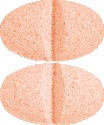
10 mg tablet. Light brown colored, round biconvex shaped, uncoated tablets, with a score line on both sides. Supplied in blister packs of 4 x 7 tablets.
5 mg chewable tablet. Pink colored, round shaped, uncoated, chewable tablets, with a score line on both sides. Supplied in blister packs of 4 x 7 tablets.
4 mg chewable tablet. Pink colored, oval biconvex shaped, uncoated, chewable tablets, with a score line on both sides. Supplied in blister packs of 4 x 7 tablets.
Storage
Store below 30°C. Store in the original package in order to protect from light and moisture.