



What is in this leaflet
This leaflet answers some common questions about SIGMAXIN.
It does not contain all the available information.
It does not take the place of talking to your doctor or pharmacist.
All medicines have risks and benefits.
Your doctor has weighed the risks of you taking SIGMAXIN againstthe benefits they expect it will have for you.
If you have any concerns about taking this medicine, ask yourdoctor or pharmacist.
Keep this leaflet with the medicine.
You may need to read it again.
What is SIGMAXIN
SIGMAXIN belongs to a group of medicines known as cardiac glycosides.They work by slowing down the rate while increasing the force of yourheart when it beats.
It is used to treat certain heart problems, such as:
Chronic Heart failure
Heart failure is when yourheart can’t pump strongly enough to supply blood needed throughout the whole body. It is not the same as a heart attack and doesnot mean that your heart stops.
Certain type of irregular heart beats
Irregular heartrhythms caused by an electrical problem in the upper chamber of yourheart. They cause your heart to beat too fast or in an uneven way.
Your doctor may have prescribed SIGMAXIN for another reason.
Ask your doctor if you have any questions about why SIGMAXINhas been prescribed for you.
There is no evidence that SIGMAXIN is addictive.
Before you take SIGMAXIN
When you must not take it
Do not take SIGMAXIN if you have an allergy to:
- digoxin or other cardiac glycosides
- any of the ingredients listed at the end of thisleaflet.
Symptoms of an allergic reaction to SIGMAXIN may include:
- shortness of breath, wheezing or difficulty breathing
- swelling of the face, lips, tongue or other partsof the body
- skin rash, itching or hives
Do not take SIGMAXIN if you have or have had any of the followingmedical conditions:
- intermittent or complete heart block or seconddegree atrioventricular block, (conditions where the heart missesbeats) especially if there is a history of Stokes-Adams attacks.
- ventricular tachycardia and ventricular fibrillation(a type of irregular heart rhythm).
- irregular heart rhythm caused by cardiac glycosideoverdose.
- certain other irregularities of heart rhythm.
If you are not sure whether you should start taking SIGMAXIN,talk to your doctor or pharmacist.
Do not take SIGMAXIN after the expiry date (EXP) printed onthe pack.
Do not take SIGMAXIN if the packaging is torn or shows signsof tampering.
If it has expired or is damaged, return it to your pharmacistfor disposal.
Before you start to take it
Tell your doctor if you have allergies to:
- any other medicines
- any other substances, such as foods, preservativesor dyes
Tell your doctor if you are pregnant or intend to become pregnant.
Pregnant women may require an adjustment of the dose of SIGMAXINduring pregnancy. SIGMAXIN may have harmful effects on the developingbaby if the dose is too high.
Tell your doctor if you are breast-feeding or plan to breast-feed.
Tell your doctor if you have or have had any medical conditions,especially the following:
- Heart disease
- Heart disease caused by lack of vitamin B, knownas ‘Beri-Beri disease’
- Lung problems
- Liver or kidney problems - effect of SIGMAXIN maybe increased because of slower removal from the body
- Thyroid disease - patients with low or high thyroidgland activity may be more or less sensitive to the effects of SIGMAXIN
- High or Low levels of calcium, potassium in yourblood
- Low level of magnesium in your blood
- Digestion problems
If you have not told your doctor or pharmacist about any ofthe above, it is important to tell them before you start taking SIGMAXIN.
Taking other medicines
Tell your doctor or pharmacist if you are taking any other medicines,including any that you buy without a prescription from your pharmacy,supermarket or health food shop.
Some medicines and SIGMAXIN may interfere with each other.
These include:
- amphetamine, appetite suppressants, medicines forcolds, sinus problems, hay fever or other allergies – may increasethe risk of heart rhythm problems
- medicines for heart problems, including high bloodpressure (hypertension) and irregular heart beat (arrhythmia)
- diuretics (water tablets),
- potassium supplements
- medicines for cancer
- medicines for depression
- medicines for bacterial infection (antibiotics)
- medicines for fungal infections (antifungals)
- medicines for stomach problems, including for nausea,vomiting, diarrhoea or indigestion
- some laxatives
- medicines for relieving asthma attacks or otherbreathing problems
- corticosteroids (e.g. hydrocortisone, dexamethasone,prednisolone, prednisone)
- medicines for diabetes (e.g. insulin, glucagon)
- cholestyramine, a medicine used for high cholesterol
- phenytoin, a medicine used to control epilepsy
- indomethacin – medication used for inflammation,gout or arthritis
- St John’s Wort
St John’s Wort may interfere with SIGMAXIN.
These medicines may be affected by SIGMAXIN, or may affect howwell it works. You may need different amounts of your medicine, oryou may need to take different medicines. Your doctor will adviseyou.
If you not sure if any of the above apply to you, talk to yourdoctor or pharmacist before taking SIGMAXIN.
How to take SIGMAXIN
Follow all directions given to you by your doctor or pharmacistcarefully.
They may differ from the information contained in this leaflet.
If you do not understand the instructions on the pack, ask yourdoctor or pharmacist for help.
How much to take
Your doctor or pharmacist will tell you how much SIGMAXIN youwill need to take each day. This depends on your condition and whetheror not you are taking any other medicines.
How to take it
Tablets:
Swallow SIGMAXIN tablets with a glass of water.
After you begin taking SIGMAXIN your doctor may sometimes checkits level in your blood. This will help your doctor find out if yourdose needs to be changed.
Do not change your dose of SIGMAXIN unless your doctor tellsyou to do so.
When to take it
Take SIGMAXIN at same time each day.
Taking SIGMAXIN at the same time each day will have the besteffect. It will also help you remember when to take it.
It does not matter if you take SIGMAXIN before or after food.
If you forget to take it
Take it as soon as you remember. However, if it is almost timefor your next dose, skip the dose you missed and take your next dosewhen you are meant to.
Do not take a double dose to make up for the dose that youmissed.
This may increase the chance of you getting an unwanted sideeffect.
If you are not sure what to do, ask your doctor or pharmacist.
How long to take it
Continue taking SIGMAXIN for as long as your doctor tellsyou.
SIGMAXIN helps control your condition, but does not cure it. Therefore, you must take SIGMAXIN every day.
If you take too much (Overdose)
Immediately telephone your doctor or the Poisons InformationCentre (telephone 13 11 26), or go to Accident and Emergency at yournearest hospital, if you think that you or anyone else may have takentoo much SIGMAXIN. Do this even if there are no signs of discomfortor poisoning.
You may need urgent medical attention.
Symptoms of an overdose to SIGMAXIN include some of the sideeffects listed below.
Some early warning signs of overdose are loss of appetite, nausea,vomiting, diarrhoea, or extremely slow heart beat.
In infants and small children, the earliest signs of overdoseare changes in the rate and rhythm of the heart beat.
Children may not show the other symptoms as soon as adults.
While you are using SIGMAXIN
Things you must do
Tell your doctor immediately if you notice any side effectsfrom SIGMAXIN.
Tell any other doctors, dentists, and pharmacists who are treatingyou that you are taking SIGMAXIN.
You must tell your doctor, dentist, or pharmacist that you aretaking SIGMAXIN before you start taking any medicines you buy froma pharmacy, health food shop or supermarket.
If you plan to have surgery that needs a general anaesthetic,tell your doctor or dentist that you are taking SIGMAXIN.
If you become pregnant while taking SIGMAXIN, tell your doctorimmediately.
If you need to have any medical tests while you are takingSIGMAXIN, tell your doctor.
SIGMAXIN may affect the results of some tests.
Be sure to keep all of your doctor’s appointments sothat your progress can be checked.
Your doctor will check your progress and may want to takesome blood tests from time to time. This helps to prevent unwantedside effects.
Things you must not do
Do not give SIGMAXIN to anyone else, even if their symptomsseem similar or they have the same condition as you.
Do not take SIGMAXIN to treat any other complaints unless yourdoctor tells you to.
Do not stop taking SIGMAXIN, or change the dose, even if youare feeling better, without checking with your doctor.
Things to be careful of
Be careful driving or operating machinery until you know howSIGMAXIN affects you.
SIGMAXIN may cause dizziness, blurred vision, and faintnessin some patients. Make sure you know how you react to SIGMAXIN, beforeyou drive a car, operate machinery, or do anything else that couldbe dangerous if this happens.
Side effects
All medicines can have side effects. Sometimes they are serious,most of the time they are not. You may need medical treatment if youget some of the side effects.
Ask your doctor or pharmacist to answer any questions you mayhave.
If any of the following happen, tell your doctor or pharmacistimmediately:
These may be serious side effects. You may need urgent medicalattention. Serious side effects are rare or are caused by a dose ofSIGMAXIN that is too high for you.
Tell your doctor immediately if you have:
These can be symptoms of a serious heart problem caused by newirregular heart beats of a different type to those caused by atrialfibrillation (which SIGMAXIN is often used to treat). If these happen,tell your doctor immediately.
Your doctor may do regular checks on your blood levels of digoxinand body salts, as well as your kidney function to make sure SIGMAXINis working safely for you.
This is not a complete list of side effects. Tell your doctorif you notice anything else that is making you feel unwell, even ifit is not on this list.
Do not be alarmed by this list of possible side effects.
You may not experience any of them.
After taking SIGMAXIN
Storage
Keep it where children cannot reach it.
A locked cupboard at least one-and-a-half metres above theground is a good place to store medicines.
Keep your SIGMAXIN tablets in the pack until it is time totake them.
If you take the tablets out of the pack, they will not keepwell.
Store SIGMAXIN Tablets in a cool, dry place away from lightand where temperature stays below 25 °C.
Do not store SIGMAXIN or any other medicine in the bathroomor near a sink.
Do not leave it in the car on hot days or on windowsills.
Heat and dampness can destroy some medicines.
Disposal
If your doctor tells you to stop taking SIGMAXIN has passedits expiry date, ask your pharmacist what to do with any that is leftover.
Product description
What it looks like
Tablets: (oral)
SIGMAXIN PG Tablets 62.5mcg,blue, biconvex, round tablet coded “U3A” on the upperface, bottom face plain; in bottles of 200.
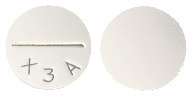
SIGMAXIN Tablets 250mcg: white, biconvex, round tablet,scored and coded “X3A” on the upper face, bottom faceplain; in blister packs of 100.
Ingredients
Active ingredient:
- Digoxin
Other ingredients:
SIGMAXIN Tablets: lactose, maize starch, rice starch, and magnesiumstearate.
SIGMAXIN PG Tablets also contain povidone and indigo carmine- Cl73015
The Australian Product Registration Numbers for:
SIGMAXINTablets: AUST R 90116
SIGMAXIN PG Tablets: AUST R 90114
Supplier
Sigma Pharmaceuticals (Australia) Pty Ltd
96 MerrindaleDrive
Croydon Victoria 3136
Australia
Telephone: (03)- 9839 2800
This leaflet was prepared in May 2002 and updated in January2009.