



What is in this leaflet
This leaflet answers some common questions about Somac Heartburn Relief.
It does not contain all the available information. It does not take the place of talking to your pharmacist or doctor.
The information in this leaflet was last updated on the date listed on the final page. More recent information on the medicine may be available.
You should ensure that you speak to your pharmacist or doctor to obtain the most up to date information on this medicine.
Those updates may contain important information about the medicine and its use of which you should be aware.
If you have any concerns about taking this medicine, ask your pharmacist or doctor.
Keep this leaflet with the medicine. You may need to read it again.
What Somac Heartburn Relief is used for
Somac Heartburn Relief is used for lasting symptomatic relief of frequent heartburn and stomach acid complaints due to gastro-oesophageal reflux disease (GORD).
These symptoms can be caused by “washing back” (reflux) of food and acid from the stomach into the food pipe, also known as the oesophagus.
Reflux can cause a burning sensation in the chest rising up to the throat, also known as heartburn.
Frequent heartburn is when you have heartburn for two or more days a week. Heartburn that occurs frequently is a typical symptom of GORD.
Somac Heartburn Relief is not the right medicine for you if you suffer heartburn only occasionally (one episode of heartburn a week or less), or if you want immediate relief of heartburn.
Somac Heartburn Relief will start to suppress acid within a few hours, however it is not intended to provide instant symptom relief. For effective, lasting relief, you should take a full course of Somac Heartburn Relief (see ‘How to take Somac Heartburn Relief’ below).
Somac Heartburn Relief belongs to a group of medicines called proton pump inhibitors (PPIs). This medicine works by decreasing the amount of acid the stomach makes to give relief from the symptoms.
Somac Heartburn Relief is not addictive.
Somac Heartburn Relief is for use by adults over 18 years of age.
Do not give Somac Heartburn Relief to children or adolescents under 18 years of age.
Before you start to take Somac Heartburn Relief
When you must not take it
Do not take Somac Heartburn Relief if you:
-
have an allergy to pantoprazole, any other PPI (such as omeprazole, rabeprazole or lansoprazole) or any of the ingredients listed at the end of this leaflet.
Some symptoms of an allergic reaction include skin rash, itching, shortness of breath or swelling of the face, lips or tongue, which may cause difficulty in swallowing or breathing. - have severe liver disease or cirrhosis
- have recently had trouble swallowing, pain when swallowing, persistent vomiting or experienced unintended weight loss
- have recently vomited blood, had black stools or notice blood in your stools
- are taking atazanavir or nelfinavir (anti-viral medications)
- are pregnant, intend to become pregnant, are breast-feeding or wish to start breast-feeding.
Do not take it after the expiry date (EXP) printed on the pack or if the packaging is damaged or shows signs of tampering. If it has expired or is damaged return it to your pharmacist for disposal.
Before you start to take it
Tell your pharmacist or doctor if you have:
- jaundice, liver problems or anaemia
- a feeling of weakness or you look pale
- previously taken heartburn / indigestion medications continuously for 4 or more weeks
- persisting heartburn symptoms despite taking Somac Heartburn Relief (or other similar medicines) continuously for 2 weeks, or your symptoms have recently changed
- been told by your doctor that you have a stomach ulcer, or gastrointestinal surgery is planned
- heartburn/ indigestion symptoms for the first time and you are over 40 years of age
- a scheduled endoscopy (investigation of your stomach lining performed by a specialist)
- any allergies to any medicines or other substances, such as foods, preservatives or dyes.
Your pharmacist or doctor can provide specific advice on whether you should take Somac Heartburn Relief.
Tell your pharmacist or doctor if you have or have had any other medical conditions, or you are pregnant, intend to become pregnant, are breast-feeding or wish to start breast-feeding.
Taking other medicines
Tell your pharmacist or doctor if you are taking any other medicines, including any that you buy without a prescription from your pharmacy, supermarket or health food shop.
Some medicines and Somac Heartburn Relief may interfere with each other. These include:
- warfarin, phenprocoumon - medicines used to prevent blood clots (blood thinners)
- atazanavir, nelfinavir – medicines used to treat viral infections such as HIV
- ketoconazole, itraconazole, posaconazole -medicines used to treat fungal infections
- methotrexate - a medicine used to treat arthritis and some types of cancer
- erlotinib or related medicines used to treat cancer
- tacrolimus, mycophenolate mofetil – medicines used to suppress the immune system
- fluvoxamine - a medicine used to treat anxiety and depression
These medicines may be affected by Somac Heartburn Relief, or may affect how well it works. You may need to use different amounts of your medicine, or take different medicines.
Your pharmacist or doctor has more information on medicines to be careful with or to avoid while taking Somac Heartburn Relief.
How to take Somac Heartburn Relief
The directions for use are included on the Medicine Information panel on the pack.
If you do not understand the instructions on the pack, ask your pharmacist or doctor for help.
Follow all directions given to you by your pharmacist or doctor. They may differ from the information contained in this leaflet.
How to take it
Take one Somac Heartburn Relief tablet every day (once every 24 hours).
Swallow your tablets whole with a little water, with or without food.
Do not crush or chew the tablets. Somac Heartburn Relief tablets have a special coating to protect them from the acid contents of your stomach. For Somac Heartburn Relief to work effectively, this coating must not be broken.
How long to take it
For effective, lasting relief, take Somac Heartburn Relief strictly according to the directions on your pack.
Somac Heartburn Relief tablets should be taken for at least seven days, and up to 14 days.
If you purchased the pack containing 7 days’ supply and you need to take it for longer than 7 days, ask your pharmacist for advice.
Do not take beyond 14 days without consulting your doctor.
Somac Heartburn Relief is not intended to provide instant relief from your heartburn/ indigestion symptoms.
If you are not sure, ask your pharmacist or doctor how to take your medicine.
If you forget to take it
If it is almost time for your next dose, skip the dose you missed and take your next dose when you are meant to.
Otherwise, take it as soon as you remember, and then go back to taking it as you would normally.
Do not take a double dose to make up for the dose that you missed. This may increase the chance of you getting an unwanted side effect.
If you are not sure what to do, ask your pharmacist or doctor.
If you have trouble remembering to take your medicine, ask your pharmacist for some hints.
If you take too much (overdose)
Immediately telephone your doctor or Poisons Information Centre for advice (telephone Australia 13 11 26 or New Zealand 0800 764 766), go to Accident and Emergency at your nearest hospital, if you or anyone else may have taken too much Somac Heartburn Relief. Do this even if there are no signs of discomfort or poisoning. Urgent medical attention may be needed.
While you are taking Somac Heartburn Relief
Things you must do
Tell any other doctors, dentists and pharmacists who treat you that you are taking this medicine.
If you are going to have surgery or an endoscopy, tell your doctor that you are taking Somac Heartburn Relief.
If you become pregnant while you are taking this medicine, tell your doctor or pharmacist immediately.
Tell your doctor or pharmacist if you do not feel better while taking Somac Heartburn Relief. If your symptoms recur within 2 weeks of completing your course, consult your doctor. Further investigation may be recommended.
If you are about to have any blood tests, tell your doctor that you are taking this medicine. It may interfere with the results of some tests.
Tell your doctor if your reflux symptoms return after you stop taking this medicine. The symptoms of reflux may return after stopping this medicine suddenly, especially if you have taken it for a while.
Things you must not do
Somac Heartburn Relief may cause dizziness and visual disturbances. If affected, do not drive or operate machinery.
Things that may help your condition
Some self-help measures suggested below may help your condition. Your pharmacist or doctor can provide more information about these measures.
-
Alcohol –
you may be advised to limit your alcohol intake. -
Aspirin and many other medicines used to treat arthritis, period pain, headaches -
these medicines may irritate the stomach and may make your heartburn/ indigestion symptoms worse. Your pharmacist or doctor may suggest other medicines you can take. -
Caffeine -
you may be advised to limit the number of drinks which contain caffeine, such as coffee, tea, cocoa and cola drinks, because they contain ingredients that may irritate your stomach. -
Eating habits -
eat smaller, more frequent meals. Eat slowly and chew your food carefully. Try not to rush at meal times. -
Smoking -
it is advisable for you to stop smoking or at least cut down. -
Weight -
you may be advised that losing some weight will help your reflux/ indigestion symptoms.
Side effects
All medicines have some unwanted side effects. Sometimes they are serious, but most of the time they are not.
Do not be alarmed by this list of possible side effects. You may not experience any of them.
Tell your pharmacist or doctor if you notice any of the following while taking Somac Heartburn Relief and they worry you:
- headache or dizziness
- diarrhoea, constipation, nausea or vomiting
- pain, discomfort or excessive gas in the stomach or bowel
- indigestion
- mild weakness, tiredness or sleep disturbances
- increased sweating or body temperature
- blurred vision, dry mouth
- metallic taste
- mild skin reactions such as itchiness and rash
These are the more common side effects of Somac Heartburn Relief. It helps most people with heartburn/ indigestion, but it has been uncommonly associated with such unwanted side effects.
See your pharmacist or doctor immediately if you notice any of the following:
- unusual tiredness, weakness, dizziness or fainting
- chest pain, fast heartbeat, shortness of breath
- loss of appetite, feeling generally unwell, fever, itching, yellowing of the skin and eyes, and dark coloured urine or bowel movements
- blood in the urine
- increased or decreased need to urinate
- bleeding or bruising more easily than normal
- severe skin problems such as itchiness, redness, rash with swelling, blistering or peeling of the skin or rash when exposed to the sun, possibly with pain in the joints and general fever
- swelling of the face, lips, mouth, tongue or throat which may cause difficulty in swallowing or breathing
- frequent symptoms of infections such as fever, severe chills, sore throat or mouth ulcers
- high blood pressure
- water retention, swelling
- depression, confusion or anxiety
- bone fracture of the hip, wrist or spine (mainly a risk in people who take high doses of PPIs or use them long term (a year or longer))
- symptoms such as seizures, abnormal or fast heartbeat, jerking/shaking movements or muscle cramps. These can be a sign of low magnesium, calcium or potassium levels in your blood
- severe and/or persistent diarrhoea, because this medicine has been associated with a small increase in infectious diarrhoea
The above list includes serious side effects that may require medical attention. Serious side effects are rare or very rare.
Tell your pharmacist or doctor if you notice anything else that is making you feel unwell. Other side effects not listed above may occur in some people.
Ask your pharmacist or doctor if you do not understand some of the information in this list.
After taking Somac Heartburn Relief
Storage
Keep your tablets in their blister pack until it is time to take them. If you take the tablets out of the blister pack they may not keep well.
Keep the medicine in a cool dry place where the temperature stays below 30°C.
Do not store it or any other medicines in the bathroom, near a sink or windowsill. Do not leave it in the car. Heat and dampness can destroy some medicines.
Keep it where children cannot reach it. A locked cupboard at least one-and-a-half metres above the ground, is a good place to store medicines.
Disposal
If you stop taking this medicine or if the tablets have passed their expiry date, ask your pharmacist what to do with any tablets that are left over.
Product description
What it looks like
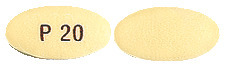
Somac Heartburn Relief is available as a 20 mg tablet. The tablets have an acid-resistant coating called an enteric coating.
The tablets are yellow and oval shaped, marked with ‘P20’ on one side.
Somac Heartburn Relief tablets are available in blister packs containing 7 and 14 tablets.
Ingredients
Somac Heartburn Relief tablets contain the equivalent of 20 mg pantoprazole.
Somac Heartburn Relief tablets also contain:
- sodium carbonate anhydrous
- mannitol
- crospovidone
- povidone
- calcium stearate
- hypromellose
- titanium dioxide
- iron oxide yellow
- propylene glycol
- methacrylic acid copolymer
- polysorbate 80
- sodium lauryl sulfate
- triethyl citrate
- opacode monogramming ink S-1-16530 Brown
Somac Heartburn Relief tablets do not contain gluten, lactose, sucrose, tartrazine or other azo dyes.
Supplier
Somac Heartburn Relief tablets are supplied in Australia by:
Takeda Pharmaceuticals Australia Pty Ltd
Level 39
225 George Street
Sydney NSW 2000
Australia
Telephone: 1800 012 612
www.takeda.com/en-au
Australian Registration Numbers
Pharmacy Only Medicine (7 tablets) – AUST R 234279
Pharmacist Only Medicine (14 tablets) AUST R 154252
SOMAC HEARTBURN RELIEF® is a registered trademark of Takeda GmbH.
This leaflet was prepared in
August 2022.
Published by MIMS October 2022