

Consumer medicine information

Trental 400

Pentoxifylline (oxpentifylline)

BRAND INFORMATION

Brand name

Trental 400

Active ingredient

Pentoxifylline (oxpentifylline)

Schedule

S4


Consumer medicine information (CMI) leaflet

Please read this leaflet carefully before you start using Trental 400.

What is in this leaflet

This leaflet answers some common questions about Trental 400.

It does not contain all the available information. It does not take the place of talking to your doctor or pharmacist.

All medicines have risks and benefits. Your doctor has weighed the risks of you taking this medicine against the benefits they expect it will have for you.

If you have any concerns about taking this medicine, ask your doctor or pharmacist.

Keep this leaflet with the medicine. You may need to read it again.

What Trental 400 is used for

Trental 400 is a type of medicine used to improve the circulation of the blood.

Trental 400 is used to treat the symptoms of a condition called chronic occlusive arterial disease. Symptoms of this disease can include lameness and pain, usually in the leg muscles.

Trental 400 is a slow release tablet, which means that the active ingredient is released slowly over several hours.

Your doctor, however, may prescribe Trental 400 for another purpose.

Ask your doctor if you have any questions about why it has been prescribed for you.

This medicine is only available with a doctor's prescription.

Before you take it

When you must not take it

Do not take Trental 400 if you have:

  • had a recent operation
  • bleeding problems
  • heart problems, such as having suffered a heart attack
  • kidney or liver problems
  • stomach ulcers or a history of stomach ulcers
  • had an allergic reaction to caffeine or theophylline (a medicine used to treat asthma)

Do not take Trental 400 if you are allergic to it or any of the ingredients listed at the end of this leaflet.

Some symptoms of an allergic reaction include skin rash, itching, shortness of breath or swelling of the face, lips or tongue, which may cause difficulty in swallowing or breathing.

Do not give Trental 400 to a child or adolescent. There is no experience with its use in children or adolescents under 18 years old.

Do not take it if you are pregnant or intend to become pregnant. It may affect your developing baby if you take it during pregnancy. Your doctor or pharmacist will discuss the risks and benefits of taking it if you are pregnant.

Do not take it if you are breastfeeding or planning to breastfeed.

Do not take it after the expiry date (EXP) printed on the pack. If you take it after the expiry date has passed, it may not work as well.

Do not take it if the packaging is damaged or shows signs of tampering.

Before you start to take it

Tell your doctor or pharmacist if you have allergies to:

  • any of the ingredients listed at the end of this leaflet
  • any other medicines including caffeine or theophylline (a medicine used to treat asthma)
  • any other substances, such as foods, preservatives or dyes.

Tell your doctor or pharmacist if you are pregnant or intend to become pregnant. Like most medicines of this kind, Trental 400 is not recommended to be used during pregnancy. Your doctor or pharmacist will discuss the risks and benefits of taking it if you are pregnant.

Tell your doctor or pharmacist if you are breastfeeding or planning to breastfeed. Trental 400 passes into breast milk and there is a possibility your baby may be affected. Your doctor will discuss the risks and benefits of taking it if you are breastfeeding or planning to breastfeed.

Tell your doctor if you have or have had any medical conditions, especially the following:

  • kidney or liver problems
  • problems with your blood pressure
  • problems with your heart eg. an irregular or rapid heart beat

Tell your doctor or pharmacist if you plan to have surgery.

If you have not told your doctor or pharmacist about any of the above, tell them before you take Trental 400.

Taking other medicines

Tell your doctor or pharmacist if you are taking any other medicines, including any that you buy without a prescription from your pharmacy, supermarket or health food store.

Some medicines may interfere with how Trental 400 works. These include:

  • warfarin and other medicines used to stop blood clots.
  • medicines used to treat high blood pressure
  • theophylline, a medicine used to treat asthma
  • some medicines used to treat diabetes
  • some medicines used to treat the symptoms of cough and colds
  • ciprofloxacin
  • cimetidine, a medicine used to treat reflux and ulcers

These medicines may be affected by Trental 400, or may affect how well it works. You may need to use different amounts of your medicine, or take different medicines. Your doctor or pharmacist will advise you.

Your doctor or pharmacist has more information on medicines to be careful with or to avoid while taking Trental 400.

How to take it

How much to take

Your doctor or pharmacist will tell you how many tablets you will need to take each day. This depends on your condition and whether or not you are taking any other medicines.

The standard dose for this medicine is one tablet three times a day.

Your doctor may have prescribed a different dose.

Ask your doctor or pharmacist if you are unsure of the correct dose for you. They will tell you exactly how much to take.

Follow the instructions they give you. If you take the wrong dose, Trental 400 may not work as well and your problem may not improve.

How to take it

Swallow the tablet whole with a full glass of water or other liquid.

Do not crush or chew the tablets. Each Trental 400 tablet has been especially designed to slowly release the right dose of medicine. If you crush, chew or divide Trental 400 tablets they will not work properly.

When to take it

Take Trental 400 during or immediately after a meal. If you take it on an empty stomach, it may cause stomach upset.

Take Trental 400 at about the same time each day. Taking your tablets at the same time each day will have the best effect. It will also help you remember when to take the tablets.

If you are not sure when to take it, ask your doctor or pharmacist.

How long to take it

Continue taking your medicine for as long as your doctor or pharmacist tells you.

The medicine helps control your condition, but it does not cure it. Therefore, you must take it every day.

Trental 400 can take time to work. Your symptoms may improve within 2-4 weeks, however it can take up to 8 weeks to take effect.

Ask your doctor or pharmacist if you are not sure how long to take the medicine for.

If you forget to take it

Do not try to make up for missed doses by taking more than one dose at a time. This may increase the chance of getting an unwanted side effect.

If it is almost time for your next dose, skip the dose you missed and take the next dose when you are meant to.

Do not take a double dose to make up for the dose you have missed.

If there is still a long time to go before your next dose, take it as soon as you remember, and then go back to taking it as you would normally.

If you are not sure what to do, ask your doctor or pharmacist.

If you have trouble remembering when to take your medicine, ask your pharmacist for hints.

If you take too much (overdose)

Immediately telephone your doctor, or the Poisons Information Centre (telephone Australia 13 11 26 or New Zealand 0800 POISON or 0800 764766), or go to Accident and Emergency at your nearest hospital, if you think you or anyone else may have taken too much Trental 400.

Do this even if there are no signs of discomfort or poisoning. You may need urgent medical attention.

If you take too much Trental 400, you may feel flushed, light-headed or dizzy, drowsy or you may also feel faint.

While you are taking it

Things you must do

Tell all the doctors, dentists and pharmacists who are treating you that you are taking Trental 400.

If you are about to be started on any new medicine, tell your doctor and pharmacist that you are taking Trental 400.

If you plan to have surgery that needs a general anaesthetic, tell your doctor or dentist that you are taking this medicine.

If you become pregnant while you are taking this medicine, stop taking it and tell your doctor or pharmacist immediately.

Things you must not do

Do not take more than the recommended dose unless your doctor tells you to.

Do not give this medicine to anyone else, even if they have the same condition as you.

Do not use this medicine to treat any other complaints unless your doctor tells you to.

Do not stop taking Trental 400, or lower the dosage, without checking with your doctor.

Do not stop taking your tablets because you are feeling better, unless advised by your doctor or pharmacist.

Things to be careful of

Be careful driving or operating machinery until you know how Trental 400 affects you. It may cause dizziness or light-headedness in some people, especially after the first dose. Make sure you know how you react to it before you drive a car, operate machinery, or do anything else that could be dangerous if you feel dizzy.

Side effects

All medicines have some unwanted side effects. Sometimes they are serious, but most of the time they are not.

Tell your doctor or pharmacist as soon as possible if you do not feel well while you are taking Trental 400.

It helps most people, but it may have unwanted side effects in a few people.

Tell your doctor or pharmacist if you notice any of the following and they worry you:

  • nausea, vomiting or an upset stomach
  • feeling bloated
  • diarrhoea or constipation
  • dizziness
  • headache
  • problems sleeping
  • blurred vision
  • drowsiness
  • flushing
  • irregular heart beat
  • rash

These are mild side effects of this medicine and usually short-lived.

Tell your doctor or pharmacist immediately if you notice any of the following:

  • tremor
  • bleeding or bruising more easily than normal
  • yellowing of the skin and eyes (jaundice)

These may be serious side effects of Trental 400. You may need urgent medical attention. Serious side effects are uncommon.

If any of the following happen, stop taking this medicine and tell your doctor immediately, or go to Accident and Emergency at your nearest hospital:

  • swelling of the face, lips, mouth or throat, which may cause difficulty in swallowing or breathing.

These are very serious side effects. If you have them, you may have had a serious allergic reaction to Trental 400. You may need urgent medical attention or hospitalisation.

These side effects are very rare.

Tell your doctor or pharmacist if you notice anything else that is making you feel unwell. Other side effects not listed above may occur in some consumers.

Do not be alarmed by this list of possible side effects. You may not experience any of them.

Ask your doctor or pharmacist to answer any questions you may have.

After taking it

If you have any queries about any aspect of your medicine, or any questions regarding the information in this leaflet, discuss them with your doctor or pharmacist.

Storage

Keep your tablets in the blister pack until it is time to take them. If you take the tablets out of the box or the blister pack they may not keep well.

Keep the medicine in a cool, dry place where the temperature stays below 25°C.

Do not store it or any other medicine in the bathroom, near a sink, or on a windowsill.

Do not leave it in the car. Heat and damp can destroy some medicines.

Keep it where children cannot reach it. A locked cupboard at least one-and-a-half metres above the ground is a good place to store medicines.

Disposal

If your doctor or pharmacist tells you to stop taking Trental 400, or the medicine has passed its expiry date, ask your pharmacist what to do with any that are left over.

Return any unused medicine to your pharmacist.

Product description

What it looks like

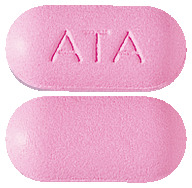
Trental 400 - oblong, pink, film-coated tablets with 'ATA' on one side.

Trental 400 is available in boxes of 50 tablets.

Ingredients

Active Ingredient:

Trental 400 - 400 mg pentoxifylline (oxpentifylline) per tablet

Inactive Ingredients:

  • hyetellose
  • povidone
  • purified talc
  • magnesium stearate
  • hypromellose
  • titanium dioxide
  • macrogol 8000
  • erythrosine

Trental does not contain gluten, sucrose, lactose, tartrazine or any other azo dyes.

Manufacturer/Sponsor

Trental 400 is supplied in Australia by:

sanofi-aventis australia pty ltd
12-24 Talavera Road
Macquarie Park NSW 2113
Freecall No: 1800 818 806

Trental 400 is supplied in New Zealand by:

sanofi -aventis new zealand limited
Level 8, 56 Cawley Street
Ellerslie, Auckland 1051
Freecall No: 0800 283 684

This leaflet was prepared in April 2020.

Australian Register Number(s)

AUST R 81197

trental-ccdsv7-cmiv11-20mar20

Published by MIMS June 2020

BRAND INFORMATION

Brand name

Trental 400

Active ingredient

Pentoxifylline (oxpentifylline)

Schedule

S4


1 Name of Medicine

Pentoxifylline (oxpentifylline).

2 Qualitative and Quantitative Composition

Trental 400 tablets contain 400 mg of pentoxifylline (oxpentifylline).
Oxpentifylline and Pentoxifylline are interchangeable and refer to the same molecule.
For the full list of excipients, see Section 6.1 List of Excipients.

3 Pharmaceutical Form

Modified release tablet.
Oblong, biconvex, pink film-coated tablets with the 'ATA' stamp on one side.

4 Clinical Particulars

4.1 Therapeutic Indications

The treatment of patients with intermittent claudication on the basis of chronic occlusive arterial disease of the limbs. Trental 400 can thus improve function and symptoms but is not intended to replace more definitive therapy, such as vascular surgery, or removal of arterial obstructions when treating peripheral vascular disease.

4.2 Dose and Method of Administration

The usual dosage of Trental 400 in controlled release tablet form is one tablet (400 mg) three times a day with or after meals, to be swallowed whole with some liquid. While the effect of Trental 400 may be seen within 2 to 4 weeks, it is recommended that treatment be continued for at least 8 weeks. Efficacy has been demonstrated in double blind clinical studies of 6 months duration.
Digestive and central nervous system side effects are dose related. If patients develop these side effects it is recommended that the dosage be lowered to one tablet twice a day (800 mg/day). If side effects persist at this lower dosage, the administration of Trental 400 should be discontinued.
In patients with low or labile blood pressure or hepatic dysfunction, an individual dosage adjustment is required. This also applies to patients with renal dysfunction (creatinine clearance of less than 30 mL/min) where, according to individual tolerance, a dosage adjustment of 30 to 50% may be necessary.

4.3 Contraindications

Patients who have previously exhibited intolerance to this product; other methylxanthines such as caffeine, theophylline and theobromine; or any of the excipients of Trental 400.
Trental 400 should not be given to patients with recent or severe haemorrhage, e.g. massive retinal haemorrhage, cerebral haemorrhage, acute myocardial infarction or patients with peptic ulcer or a recent history thereof.

4.4 Special Warnings and Precautions for Use

Since pentoxifylline (oxpentifylline) is extensively metabolised in the liver and eliminated through the kidneys, the use of this drug is not recommended in patients with marked impairment of kidney or liver function. Patients with less severe impairment of these organs should be closely monitored during Trental 400 therapy and may require lower doses.
Patients with chronic occlusive arterial disease of the limbs frequently show other manifestations of arteriosclerotic disease. Trental 400 has been used safely for treatment of peripheral arterial disease in patients with concurrent coronary artery and cerebrovascular diseases, but there have been occasional reports of angina, hypotension, and arrhythmia. Controlled trials do not show that Trental 400 causes such adverse effects more often than placebo, but, as it is a methylxanthine derivative, it is possible that some individuals will experience such responses. Careful monitoring is required in patients with acute arrhythmias or in patients with myocardial infarction.
Caution should be exercised and careful monitoring undertaken when administering Trental 400 to patients with low or labile blood pressure, for example patients with severe coronary heart disease or relevant stenoses of blood vessels supplying the brain. In such patients any dose increase should be done gradually.
Hypersensitivity reactions such as pruritus, rashes and urticaria do occur, but progression to anaphylactoid shock and angioedema are rare. At the first signs of an anaphylactic/ anaphylactoid reaction, Trental 400 must be discontinued, and a physician must be informed.
Trental 400 may exacerbate bleeding; careful patient selection and monitoring of at risk patients via haematocrit and/or haemoglobin determinations are recommended.
Particular careful monitoring is required in patients treated concomitantly with antivitamin K, platelet aggregation inhibitors, antidiabetic agents or ciprofloxacin.

Use in hepatic impairment.

See Section 4.2 Dose and Method of Administration.

Use in renal impairment.

Careful monitoring and adjustment (see Section 4.2 Dose and Method of Administration) are necessary in patients with impaired renal function (creatinine clearance below 30 mL/min).

Use in the elderly.

Trental 400 should be used with caution in elderly patients as peak plasma levels of pentoxifylline (oxpentifylline) and its metabolites are moderately higher in this age group. Elderly patients had a slight increase in the incidence of some adverse effects. Careful dose adjustment is therefore recommended.

Paediatric use.

Safety and effectiveness in children below the age of 18 years have not been established.

Effects on laboratory tests.

Urinary assays for pregnanediol may show false positive results in the presence of pentoxifylline (oxpentifylline) and its metabolites.

4.5 Interactions with Other Medicines and Other Forms of Interactions

There have been reports of bleeding (e.g. skin, mucosa, gastrointestinal tract) and/or prolonged prothrombin time in patients treated with Trental 400 with and, rarely, without anticoagulants or platelet aggregation inhibitors. Patients on warfarin should have more frequent monitoring of prothrombin times, while patients with other risk factors complicated by haemorrhage (e.g. recent surgery, peptic ulceration) should have periodic examinations for bleeding including haematocrit and/or haemoglobin.
Trental 400 has been used concurrently with digitalis and antiarrhythmics without observed problems. Small decreases in blood pressure have been observed in some patients treated with Trental 400. Periodic systemic blood pressure monitoring is recommended for patients receiving Trental 400 concomitantly with antihypertensive medicines, beta-blockers, diuretics and other medicines with blood pressure lowering potential as their blood pressure lowering effects may be increased. If indicated, dosage of the antihypertensive agents should be reduced.
Combined use with other xanthines or with sympathomimetics may cause excessive CNS stimulation.
An increase in levels of theophylline and therefore an increase in the intensity and frequency of adverse events associated with theophylline may result from concomitant use with Trental 400.
Concomitant administration with ciprofloxacin may increase the serum concentration of pentoxifylline in some patients. Therefore, there may be an increase in and intensification of adverse effects associated with coadministration.
The blood sugar lowering effect of insulin or oral antidiabetics may be potentiated. In patients treated with hypoglycaemic agents, a moderate decrease in the dose of these agents may be required when Trental 400 is prescribed. Patients undergoing such therapy should be monitored closely.
Postmarketing cases of increased anticoagulant activity have been reported in patients concomitantly treated with pentoxifylline (oxpentifylline) and antivitamin K. Monitoring of anticoagulant activity in these patients is recommended when pentoxifylline (oxpentifylline) is introduced or the dose is changed.
Potential additive effect with platelet aggregation inhibitors. Due to the increased risk of bleeding, the concomitant administration of a platelet aggregation inhibitor with pentoxifylline (oxpentifylline) should be undertaken with caution.
Concomitant administration with cimetidine may increase the plasma concentration of pentoxifylline (oxpentifylline) and the active metabolite I.

4.6 Fertility, Pregnancy and Lactation

Effects on fertility.

No data available.
(Category B1)
In teratogenic studies in rats and rabbits, oral doses of Trental 400 up to 25 and 10 times the maximum recommended human daily dose caused no foetal malformation. Increased resorption was seen in rats at high doses. However, since no well controlled studies in pregnant women have been carried out, Trental 400 should not be used in pregnancy unless clearly needed.
Trental 400 and its metabolites are excreted in human milk. A decision should therefore be made whether to discontinue breastfeeding or discontinue the medicine, taking into account the importance of the medicine to the mother.

4.7 Effects on Ability to Drive and Use Machines

The effects of this medicine on a person's ability to drive and use machines were not assessed as part of its registration.

4.8 Adverse Effects (Undesirable Effects)

Clinical trials with Trental 400 have been conducted in Australia, the United States and in Europe. The slow release formulation, Trental 400, was used in studies in Australia and Europe, while in the United States, studies were conducted using the capsule formulation, containing 200 mg pentoxifylline (oxpentifylline). In these studies, dosages used were 400 mg (tablets) two to three times daily or 200 mg-400 mg (capsules) three times daily. Treatment periods for studies with Trental 400 ranged up to 60 weeks. The following adverse effects have been reported in clinical trials or postmarketing.

Gastrointestinal.

The most frequent (greater than 1% incidence) types of side effects seen with Trental (all formulations) were gastrointestinal upsets including nausea, dyspepsia, vomiting, belching/ flatus/ bloating, abdominal pain, epigastric discomfort and diarrhoea. However, the controlled release preparation of Trental 400 resulted in much fewer gastrointestinal side effects, the most common being dyspepsia 2.8% (placebo 4.7%), nausea 2.2% (placebo 0.8%), vomiting 1.2% and belching/ flatus/ bloating (0.6%). Anorexia, cholecystitis, constipation and a dry mouth/ thirst have been reported with a frequency of less than 1%.

Central nervous system.

Side effects related to C.N.S. disturbances with an incidence of greater than 1% included dizziness, headache, insomnia and sleep disturbances and disorders, blurred vision, agitation/ nervousness, drowsiness and tremor. Of these, the following were reported for the controlled release preparation Trental 400: dizziness 1.9% (placebo 3.1%), headache 1.2% (placebo 1.6%) and tremor 0.3% (placebo 0.8%). Anxiety and confusion have been reported with a frequency of less than 1%. Isolated cases of aseptic meningitis have been reported.

Cardiovascular.

Only angina/ chest pain was reported for Trental 400 tablets, with an incidence of 0.3%, while for the capsule formulation, flushing and arrhythmia/ palpitation/ tachycardia were also reported, with an incidence of greater than 1%. Reports of hypotension were rare (< 0.1%). Dyspnea and oedema have been reported with a frequency of less than 1%. Haemorrhage has also been reported (frequency unknown).

Hepatic.

Isolated cases of intrahepatic cholestasis and jaundice as well as hepatitis and transaminase elevation have been reported.

Haemic and lymphatic.

Decreased fibrinogen, pancytopenia, purpura, aplastic anaemia, neutropenia and leukopenia. Isolated cases of thrombocytopenia have been noted.

Respiratory.

Epistaxis, flu-like symptoms, laryngitis and nasal congestion have been reported rarely.

Hypersensitivity.

Anaphylactic and anaphylactoid reactions have been reported. Pruritus, rashes and urticaria may occur with a frequency of 0.1% to 1% but progression to anaphylactoid shock (angioedema, bronchospasm) occurs only in isolated cases. Erythema (reddening of the skin) has been reported at an unknown frequency.

Miscellaneous.

Rarely, the following were reported: brittle fingernails, blurred vision, conjunctivitis, earache, scotoma, bad taste in the mouth, excessive salivation, malaise, sore throat, swollen neck glands, weight change.

Reporting suspected adverse effects.

Reporting suspected adverse reactions after registration of the medicinal product is important. It allows continued monitoring of the benefit-risk balance of the medicinal product. Healthcare professionals are asked to report any suspected adverse reactions at www.tga.gov.au/reporting-problems.

4.9 Overdose

Overdosage with Trental 400 has been reported in children and adults.

Symptoms.

Symptoms appear to be dose related. A report from a poison control centre on 44 patients taking overdoses of enteric coated pentoxifylline (oxpentifylline) tablets noted that symptoms usually occurred 4-5 hours after ingestion and lasted about 12 hours. The highest amount ingested was 80 mg/kg; flushing, hypotension, convulsions, somnolence, loss of consciousness, fever and agitation occurred. All patients recovered.
Initial symptoms of acute overdose with pentoxifylline (oxpentifylline) may be nausea, dizziness, tachycardia or a fall in blood pressure. Signs such as fever, agitation, flushing, loss of consciousness, areflexia, tonic-clonic convulsions and coffee ground vomiting (indicating gastrointestinal bleeding) may occur.

Treatment.

In addition to symptomatic treatment special attention must be given to supporting respiration, maintaining systemic blood pressure, and controlling convulsions. Activated charcoal may reduce absorption of the medicine if given within one or two hours after ingestion. In patients who are not fully conscious or have impaired gag reflex, consideration should be given to administering activated charcoal via nasogastric tube, once the airway is protected.
For information on the management of overdose, contact the Poisons Information Centre on 131126 (Australia).

5 Pharmacological Properties

5.1 Pharmacodynamic Properties

Pharmacotherapeutic group: Purine derivatives, ATC code: C04AD03.

Mechanism of action.

It is thought that pentoxifylline (oxpentifylline) and its metabolites improve the flow properties of blood by decreasing its viscosity. In patients with chronic peripheral arterial disease, this increases blood flow to the affected microcirculation and enhances tissue oxygenation. Some of the mechanisms by which this is thought to occur include dose related haemorrheological effects, such as decreased blood viscosity, improved erythrocyte flexibility, decreased plasma fibrinogen and enhanced platelet deaggregation. However, the precise mode of action of pentoxifylline (oxpentifylline) and the sequence of events leading to clinical improvement are still to be clearly defined.

Clinical trials.

No data available.

5.2 Pharmacokinetic Properties

After oral administration in aqueous solution, pentoxifylline (oxpentifylline) is almost completely absorbed. It undergoes a first-pass effect and the various metabolites appear in plasma very soon after dosing.
Peak plasma levels of the parent compound and its metabolites are reached within 1 hour. The major metabolites are metabolite I (1-[5-hydroxy-hexyl] -3,7-dimethylxanthine), and metabolite V (1-[3-carboxypropyl] -3,7-dimethylxanthine), and plasma levels of these metabolites are 5 and 8 times greater, respectively, than of pentoxifylline (oxpentifylline). Following oral administration of aqueous solutions containing 100 to 400 mg of pentoxifylline (oxpentifylline), the pharmacokinetics of the parent compound and metabolite I are dose related and not proportional (nonlinear), with half-life and area under the blood level time curve (AUC) increasing with dose. The elimination kinetics of metabolite V are not dose dependent. The apparent plasma half-life of pentoxifylline (oxpentifylline) varies from 0.4 to 0.8 hours and the apparent plasma half-lives of its metabolites vary from 1 to 1.6 hours. There is no evidence of accumulation or enzyme induction (cytochrome P450) following multiple oral doses.
Excretion is almost totally urinary; the main biotransformation product is metabolite V. Essentially no parent drug is found in the urine. Despite large variations in plasma levels of parent compound and its metabolites, the urinary recovery of metabolite V is consistent and shows dose proportionality. Less than 4% of the administered dose is recovered in faeces. Food intake shortly before dosing delays absorption of an immediate release dosage form but does not affect total absorption. The pharmacokinetics and metabolism of Trental 400 have not been studied in patients with renal and/or hepatic dysfunction, but AUC was increased and elimination rate decreased in an older population (60-68 years) compared to younger individuals (22-30 years). After administration of the 400 mg controlled release Trental 400 tablet, plasma levels of the parent compound and its metabolites reach their maximum within 2 to 4 hours and remain constant over an extended period of time. The controlled release of pentoxifylline (oxpentifylline) from the tablet eliminates peaks and troughs in plasma levels for improved gastrointestinal tolerance.

5.3 Preclinical Safety Data

Genotoxicity.

Pentoxifylline (oxpentifylline) was devoid of mutagenic activity in various strains of Salmonella (Ames test) when tested in the presence and absence of metabolic activation.

Carcinogenicity.

Long-term (18 month) studies to determine any carcinogenic potential of pentoxifylline (oxpentifylline) have been conducted in mice and rats. No carcinogenic potential for pentoxifylline (oxpentifylline) was noted in the mouse study. In the rat study, there was a statistically significant increase in benign mammary fibroadenomas in females in the high dose group. The relevance of this finding to human use is uncertain since this was only a marginal statistically significant increase for a tumour that is common in aged rats.

6 Pharmaceutical Particulars

6.1 List of Excipients

Hyetellose, povidone, purified talc, magnesium stearate, hypromellose, titanium dioxide, erythrosine and macrogol 8000.

6.2 Incompatibilities

Incompatibilities were either not assessed or not identified as part of the registration of this medicine.

6.3 Shelf Life

In Australia, information on the shelf life can be found on the public summary of the Australian Register of Therapeutic Goods (ARTG). The expiry date can be found on the packaging.

6.4 Special Precautions for Storage

Store below 25°C. Protect from light. Protect from moisture.

6.5 Nature and Contents of Container

Trental 400 is available in blister packs of 30 or 50 tablets.
Not all pack sizes may be marketed.

6.6 Special Precautions for Disposal

In Australia, any unused medicine or waste material should be disposed of by taking to your local pharmacy.

6.7 Physicochemical Properties

A trisubstituted xanthine derivative designated chemically as 1-(5-oxohexyl)-3, 7-dimethylxanthine, IUPAC name: 3,7-dimethyl-1-(5-oxohexyl)-3.7-dihydro-1H-purine-2,6-dione. Pentoxifylline (oxpentifylline) is soluble in water and ethanol, and sparingly soluble in toluene.

Chemical structure.


Molecular formula: C13H18N4O3. Molecular weight: 278.3102.

CAS number.

6493-05-6.

7 Medicine Schedule (Poisons Standard)

Prescription Only Medicine (Schedule 4).

Summary Table of Changes